Production: By Europod, in co-production with Sphera Network.
EUobserver is proud to have an editorial partnership with Europod to co-publish the podcast series “Briefed” hosted by Léa Marchal. The podcast is available on all major platforms.
You can find the transcript here if you prefer reading:
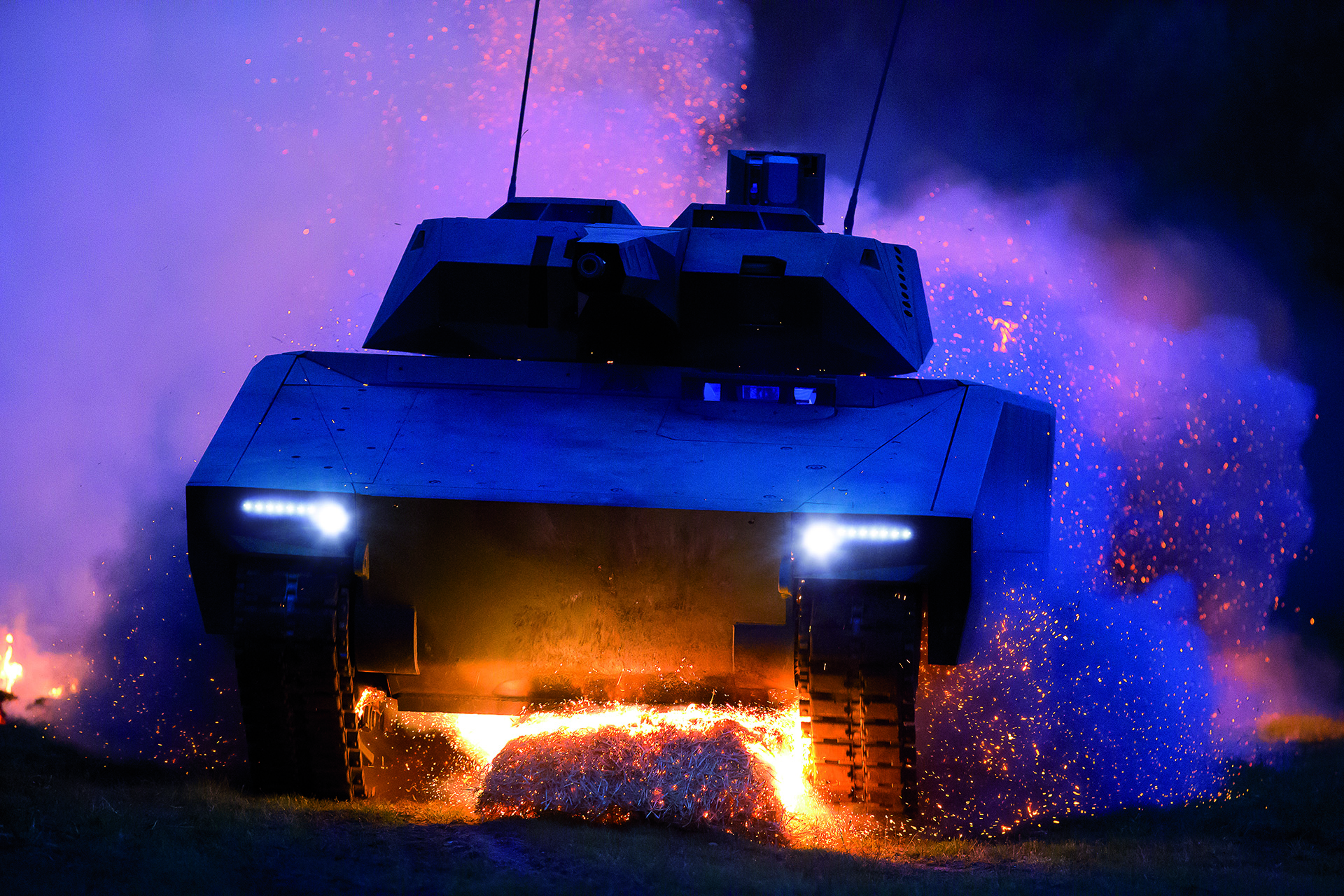
Poland isn’t just preparing for war — it’s rewriting the rulebook on how to get ready. The defence training programmes adopted in 2025 should train some 400 000 people this year only.
Meanwhile, the rest of the EU is slowly catching up on defence. What can we learn from Poland’s approach?
Over the past few years, Poland has ramped up its military game like no other EU country. The country is spending almost five percent of its entire GDP, which is way more than any other Nato member.
Last year, Warsaw also rolled out a voluntary training program for young Poles, teaching everything from first aid and crisis survival to basic security skills. While mandatory conscription was finished in 2008, kids as young as primary school get safety lessons—and by high school, they are even learning to handle firearms, as we’ve seen on video reports.
Another striking example: Since January 2026, new buildings in Poland must include bomb shelters. The government’s also fixing up old, crumbling bunkers.
Poland isn’t alone in this effort. The Baltic states are upping their game too, each in their own way. Meanwhile, the EU is also moving—just slower. Brussels has pumped money into crisis drills, cross-border military cooperation, and defence industry investments.
Last year’s EU prep strategy even urged citizens to stockpile essentials. The European Commission is also supporting Poland and other countries in having survival courses in schools, or broadening the concept of defence or solidarity day for each young European.
But let’s be real: Most Europeans still treat these like a checkbox, not an actual priority.
So why do Poles take this more seriously?
First, this isn’t new. Back in the communist era, Polish schoolkids learned map-reading and survival drills—because war wasn’t some abstract threat. After the [Union of Soviet Socialist Republics] USSR fell, life got safer, but the fear never fully faded.
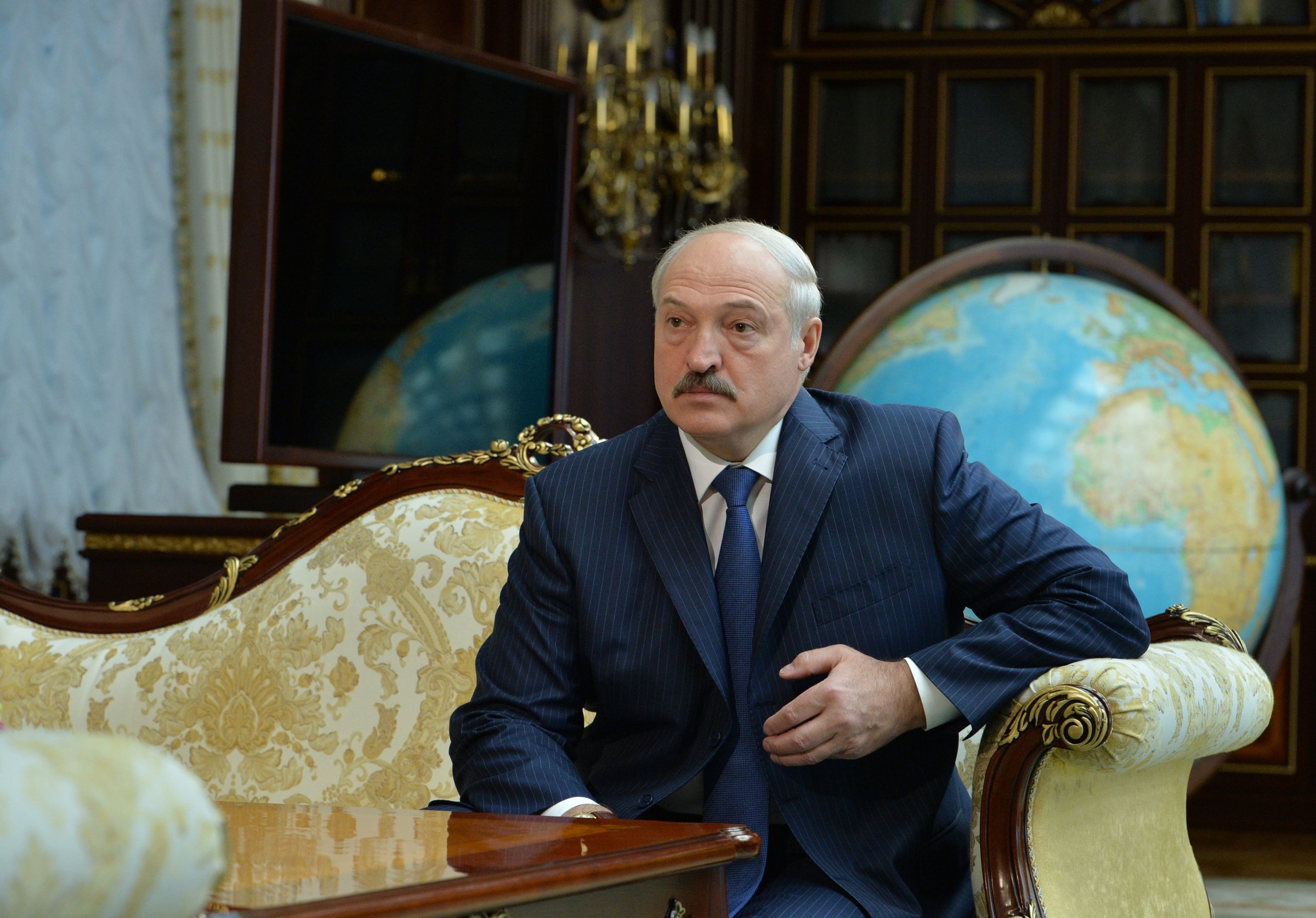
What keeps Poles grounded? Their borders. To the north, Russia’s Kaliningrad exclave. To the east, Belarus, a loyal ally of Putin. And to the southeast, Ukraine, a country still fighting for its survival.
In 2014, alongside the annexation of Crimea, Russia reinvested in the Kaliningrad region after decades of demilitarisation. By the end of 2016, Moscow had deployed missiles capable of carrying nuclear warheads. Additional anti-aircraft defence missiles were also deployed to cover parts of the Baltic states as well as Poland.
In this context, it’s no surprise that many teenagers in Poland take part in training programs: about 40,000 young people enrol in paramilitary camps each year, especially in the eastern part of the country.
When the government says ‘get ready,’ people listen. In comparison, the European Commission’s idea of an emergency survival kit hasn’t really been taken seriously.
Polish journalist and author Agnieszka Lichnerowicz, in her second book, presents psychological and social strategies for dealing with war, disinformation, and also disasters.
This message makes perfect sense across Europe, but it resonates much more strongly in countries that share a border with the enemy.
One thing is certain: The question is no longer if we need to prepare for threats, but how. And this debate concerns all Europeans—even those who live far from Russia’s borders.
 THIS WEEK: ECB set to hike rates, as capital markets union and climate top the EU agenda