
 THIS WEEK: ECB set to hike rates, as capital markets union and climate top the EU agenda
This week’s agenda — at a glance
- The European Central Bank is expected to raise key interest rates
- The Eurogroup and EU financial ministers meet in Luxembourg
- EU commission to present 2027 EU budget
- UN Bonn Climate Change Conference
- EU transport and telecommunication ministers meet in Luxembourg
- Informal EU defence ministerial meeting
- EU-South Korea summit
In response to recent inflation spikes, the European Central Bank (ECB) is expected to raise key interest rates for the first time this year on Thursday (11 June), when the governing council is meeting in Frankfurt.
After keeping rates unchanged at two percent in April, financial experts expect the bank to hike them by 0.25 percentage points three times before the year ends.
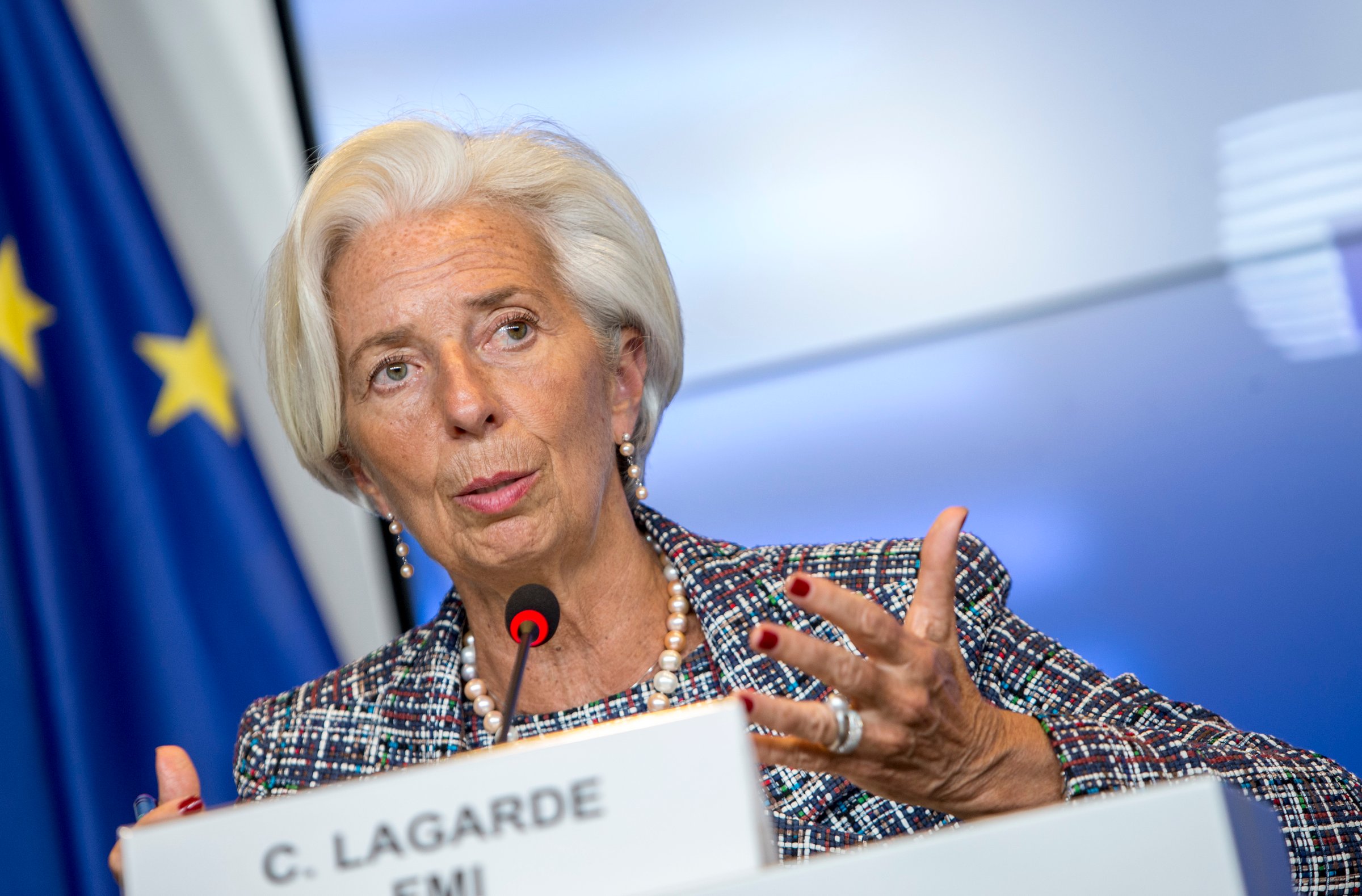
“The longer the [Iran] war continues and the longer energy prices remain high, the stronger is the likely impact on broader inflation and the economy,” ECB chief Christine Lagarde recently said, admitting “we are certainly moving away from the baseline”.
In Luxembourg, the Eurogroup is also meeting on Thursday (11 June), followed by a gathering of EU ministers for economy and financial services on Friday (12 June).
Ministers will try to advance talks on the Capital Markets Union (CMU) — the EU’s plan to connect all 27 of its national financial markets into one massive system. Progress on the CMU has been stalled for years, and divisions remain when it comes to control and supervision.
But the EU’s six largest economies (Germany, France, Italy, Poland, Spain, and the Netherlands — representing about 70 percent of EU’s population) recently reached an agreement to aggressively push for centralised supervision of the bloc’s capital markets.
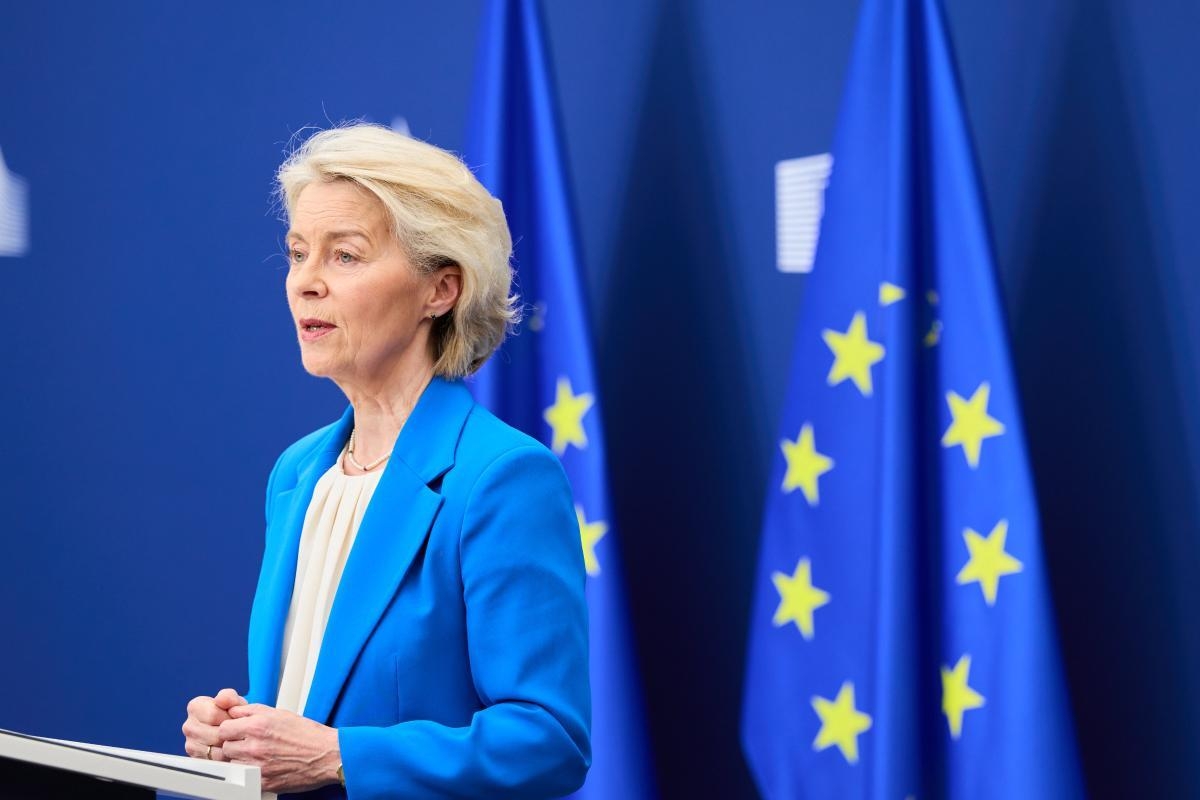
During an informal European Council in February, EU Commission president Ursula von der Leyen warned that if member states do not advance the long-awaited CMU this year, she will move ahead with a smaller coalition of countries.
“Get me right. I prefer doing this by 27,” she said then, adding that the option exists for “at least nine member states, if they want to move forward faster.

 Why blocking the sun to cool the planet is bound to go wrong










 Elena Sánchez Nicolás