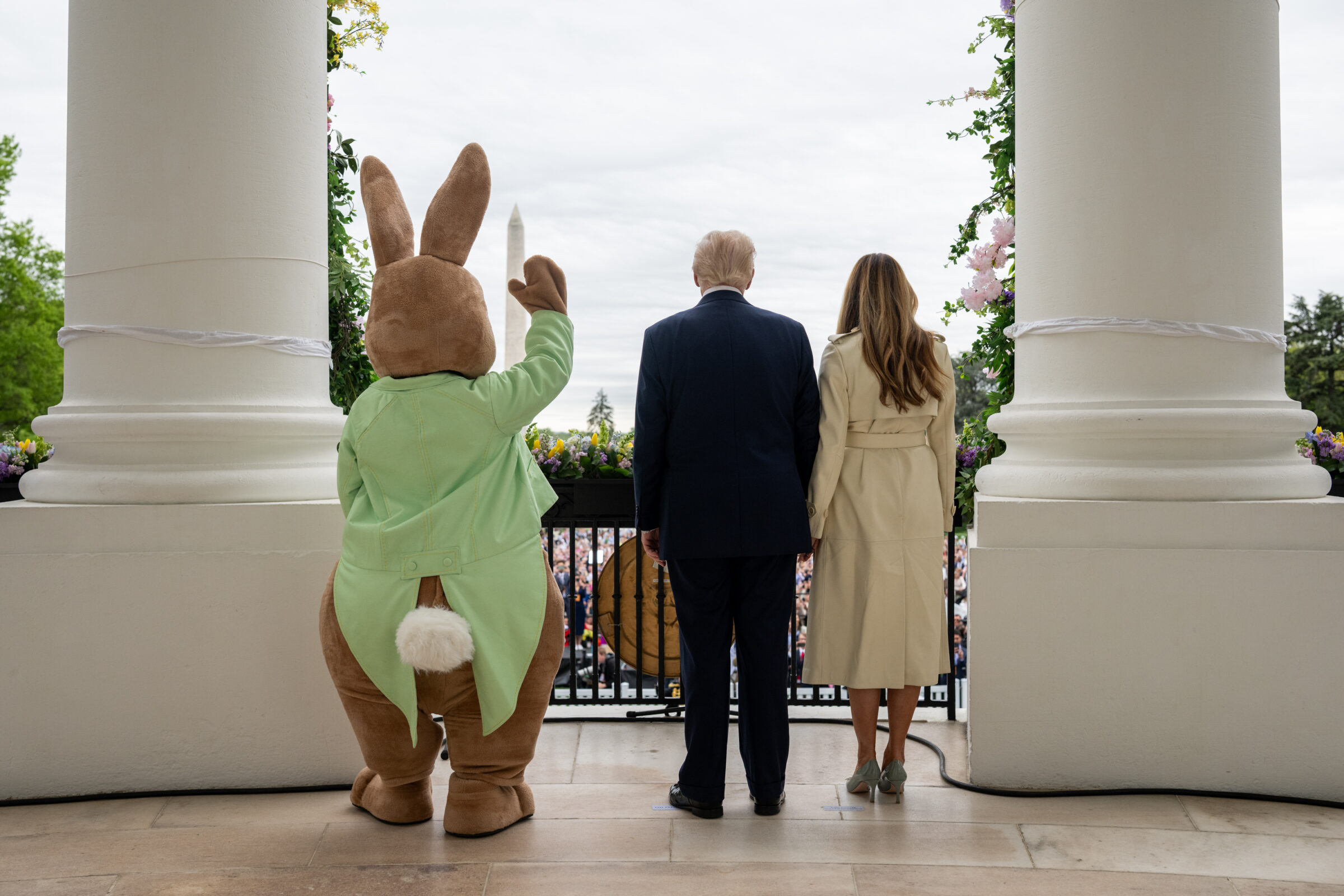
EU says Trump’s tariffs barely touch European companies — US importers foot the bill
EU companies have largely escaped any downfall from Trump’s tariffs. “The people who pay US tariffs are the importers,” said one EU official.
EU companies have largely escaped any downfall from Trump’s tariffs. “The people who pay US tariffs are the importers,” said one EU official.
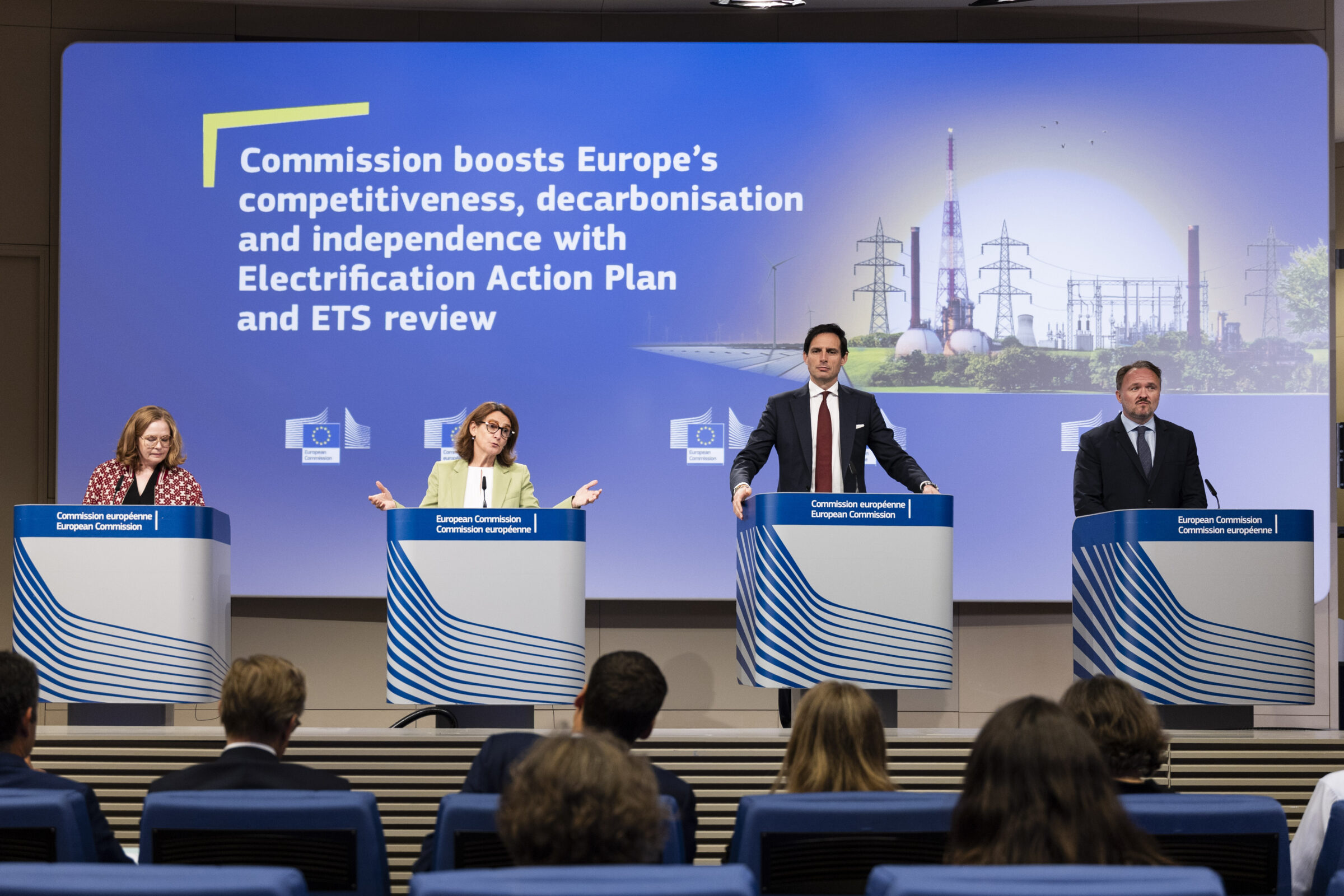
International flights arriving in Europe from destinations within 5,000 km will be required to pay for their CO2 emissions from 2029 as part of a major overhaul of the EU’s emissions trading system announced on Friday.
![[Interview] ‘Some of the resistance comes from people fearing they’ll end up without a job,’ says industry expert on Europe’s slow electrification](https://static.euobserver.com/2026/07/anja-van-de-gronde-PY7r5dJ_v-Y-unsplash-2400x1602.jpg)
According to Devan Pillay of Schneider Electric, it’s not just grids and prices holding electrification back. It’s also change-resistant engineers of the older generation that are running plants today. “Their attitude is: if it works, let’s leave it.”
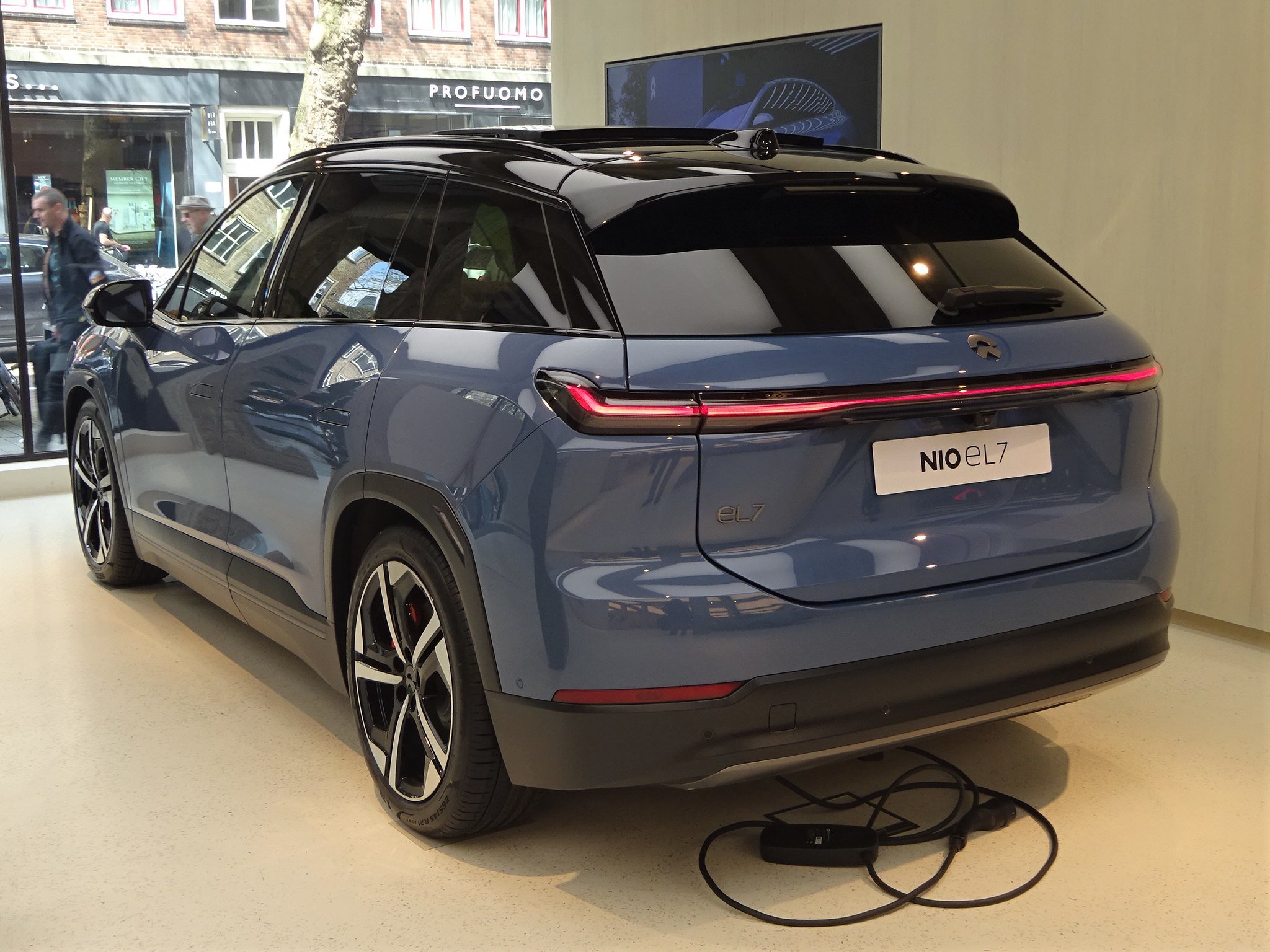
The EU Commission has set up a series of ‘work streams’ on trade policy with China, but says that ‘dialogue will not suffice’ and is still planning to take a series of measures to control its trade deficit with Beijing.
Faced with the end of the EU’s post-pandemic fund, the bloc’s leaders are using the cash to finance new sovereign investment funds.
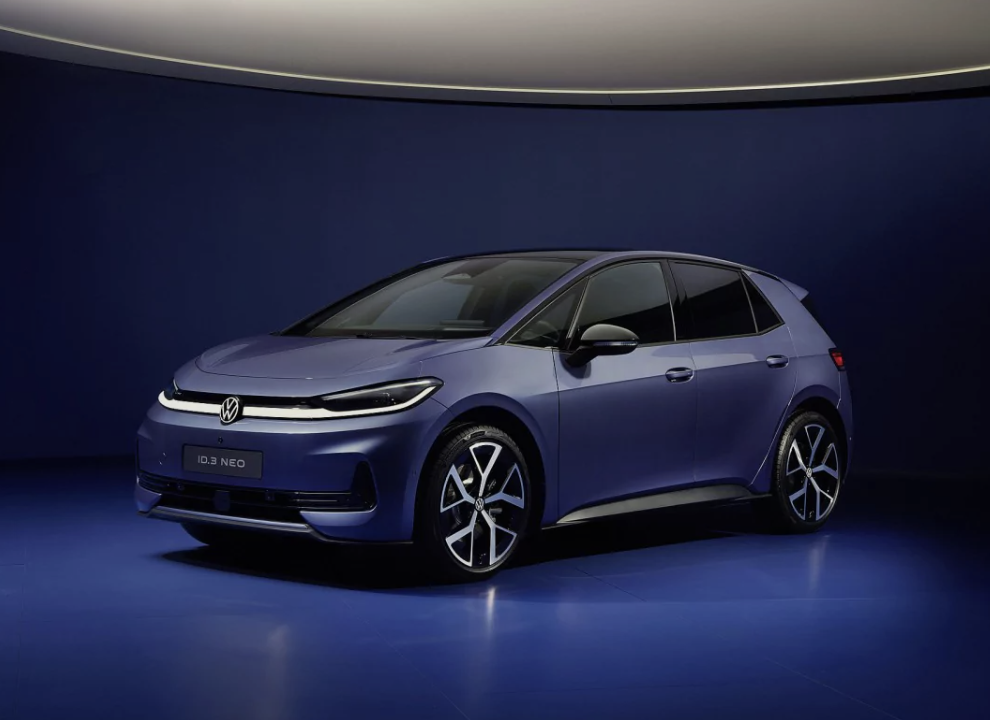
 German politicians duped into thinking a new subsidy scheme only benefits Chinese electric vehicles
A previous German electric vehicle subsidy scheme massively benefited Volkswagen, which had invested heavily in expensive cars that only the rich could afford. Now it’s set to cut 100,000 jobs and close four factories in Germany.
MEPs have also warned against the EU’s new corporate ’28th regime’ being used to create a European equivalent to the US state of Delaware.
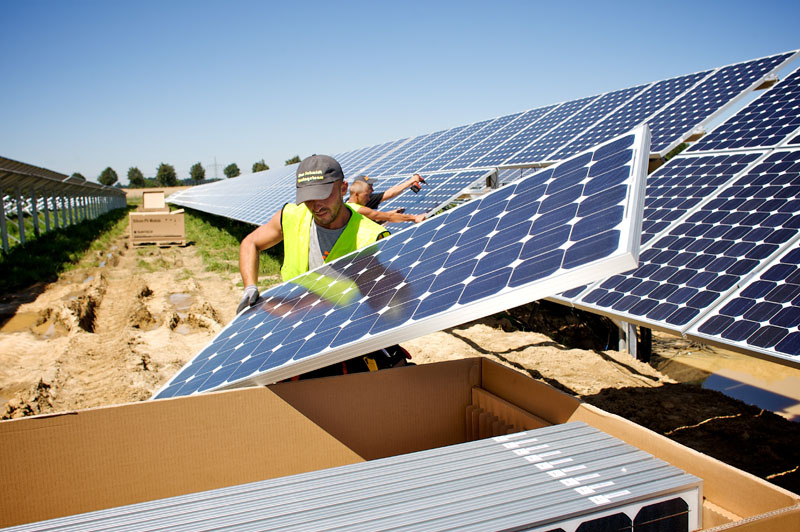
According to a leaked draft of the EU Commission’s Electrification Action Plan Brussels will propose a binding electrification target later this year as part of a wider post-2030 energy package.
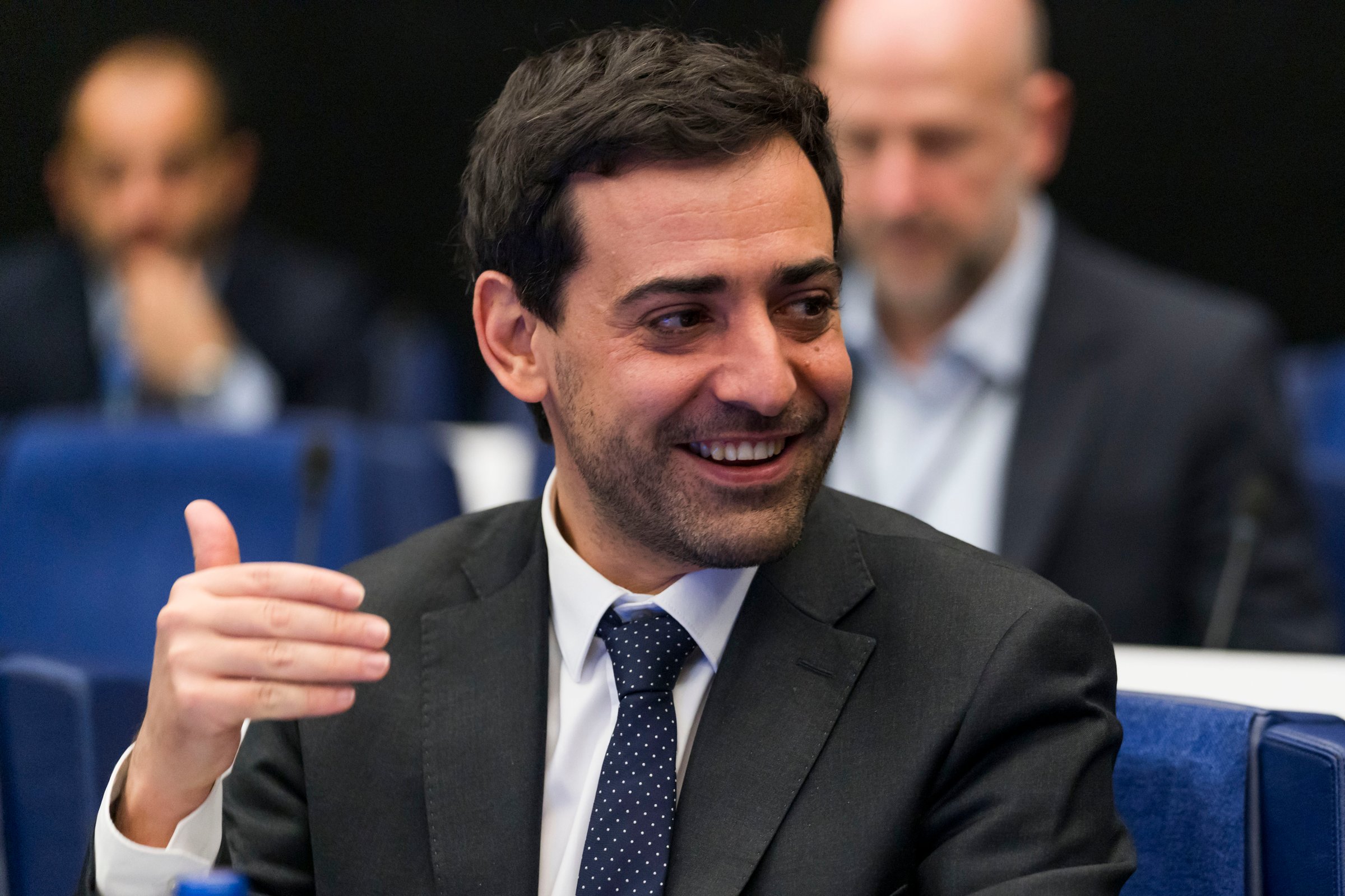
Chinese oversupply still poses a major threat to the EU’s car industry, single market commissioner Stephane Séjourné told MEPs on Tuesday.
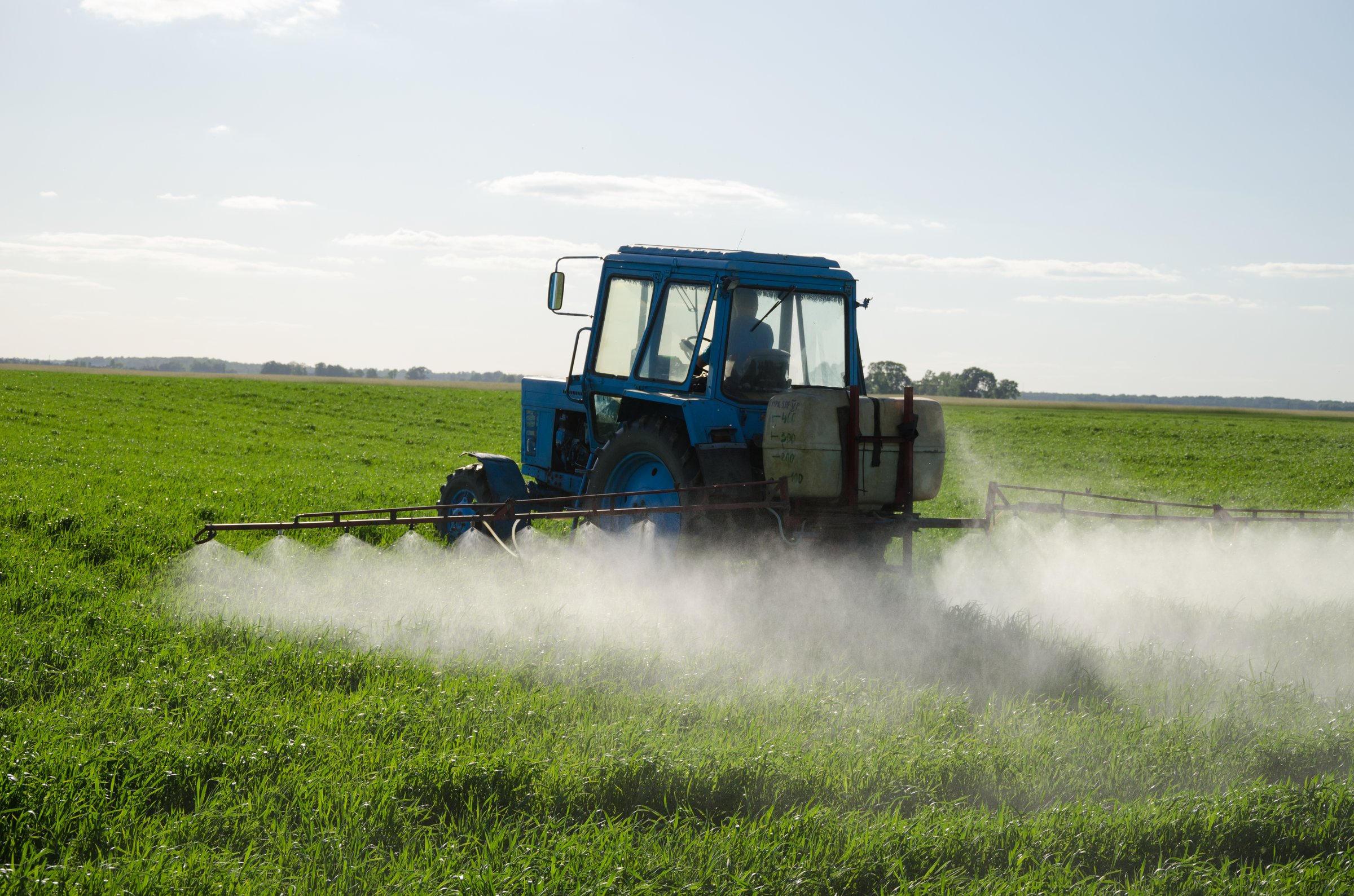
New research has found that most strawberries contain significant residues of pesticides that disrupt the body’s natural hormones.
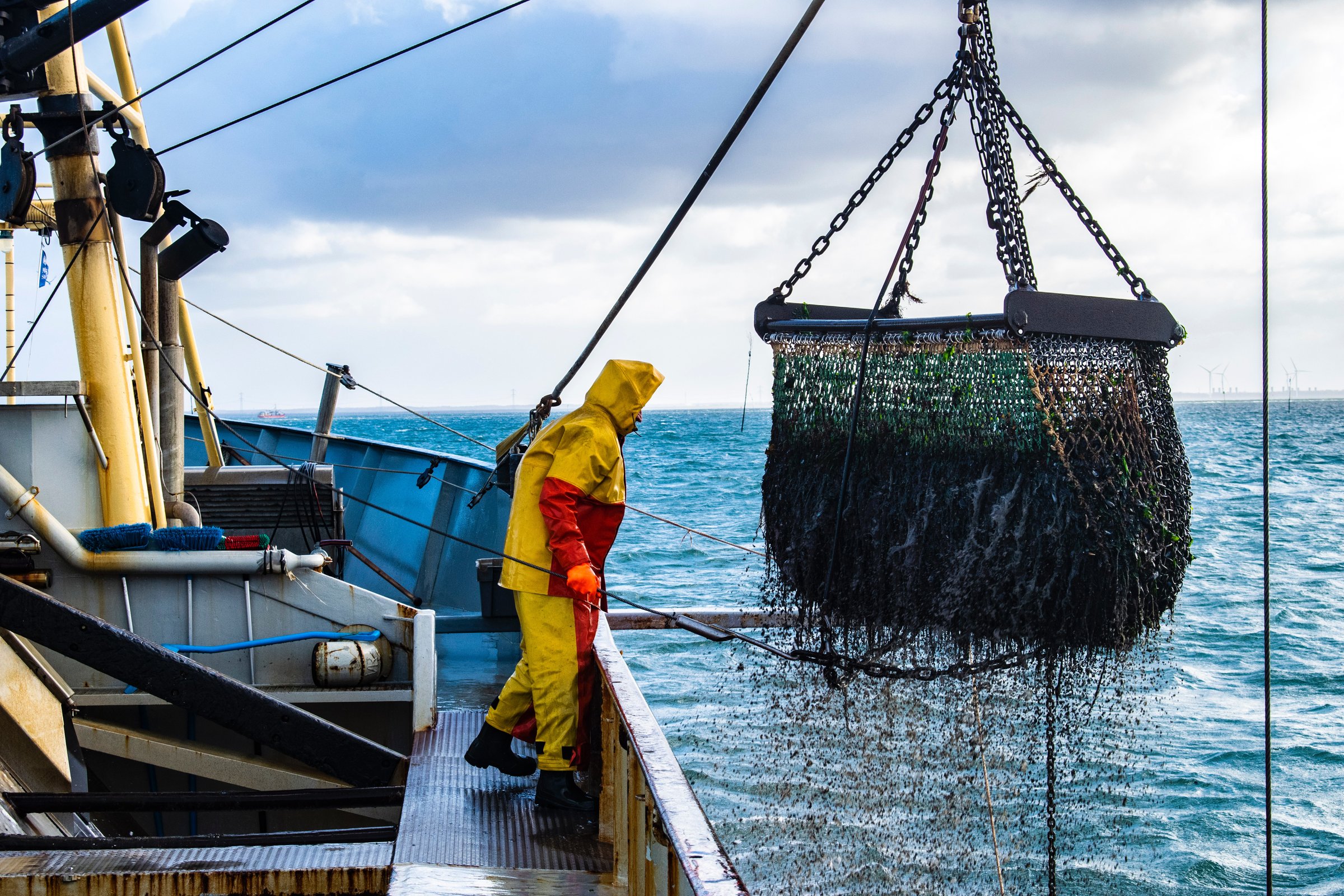
The alliance of 11 green groups plans to push the EU Commission to open infringement proceedings against governments that continue to allow bottom trawling in protected areas.
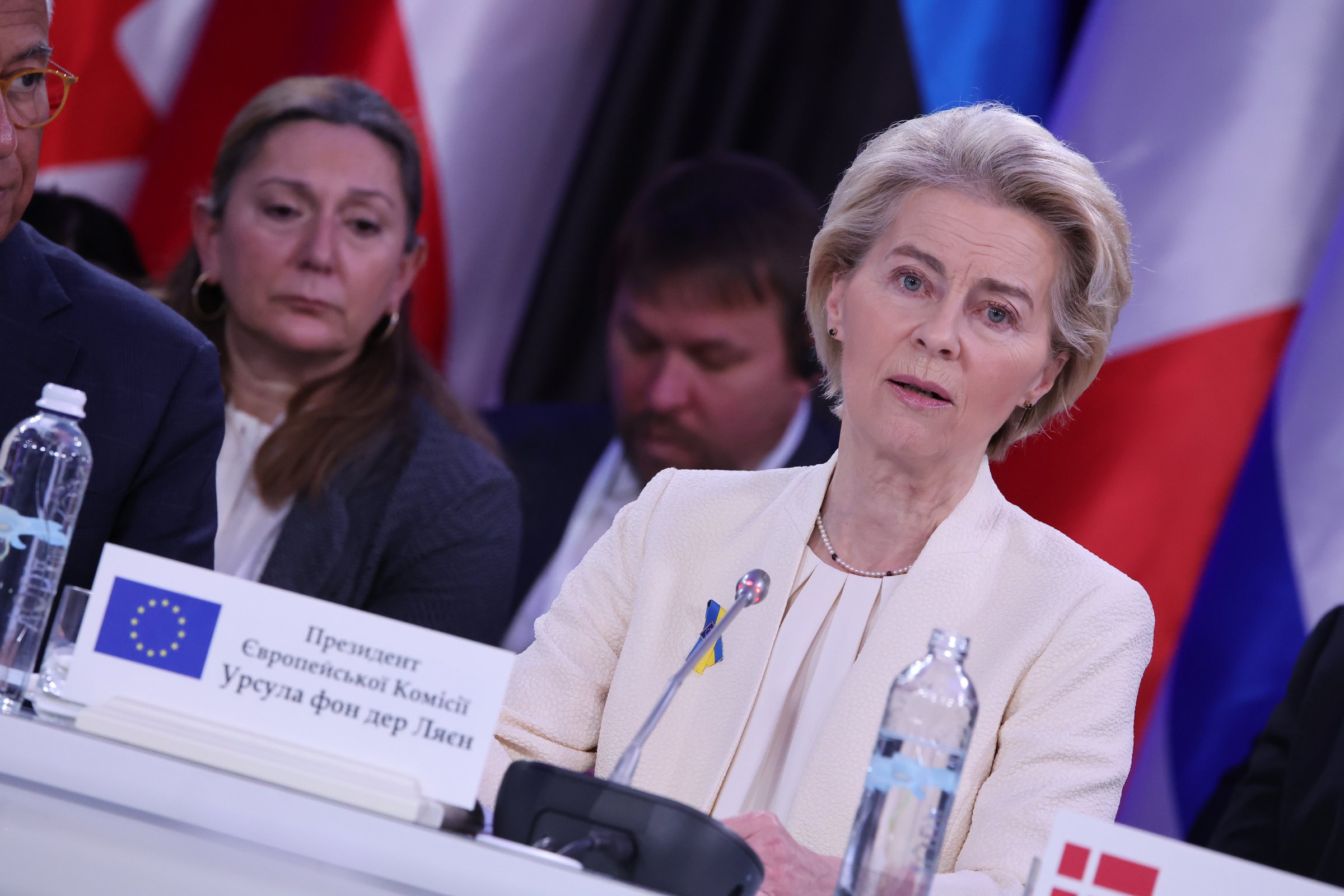
The EU methane regulation “has become a defining test of Europe’s ability to maintain ambitious climate and energy policies” the US lawmakers wrote.
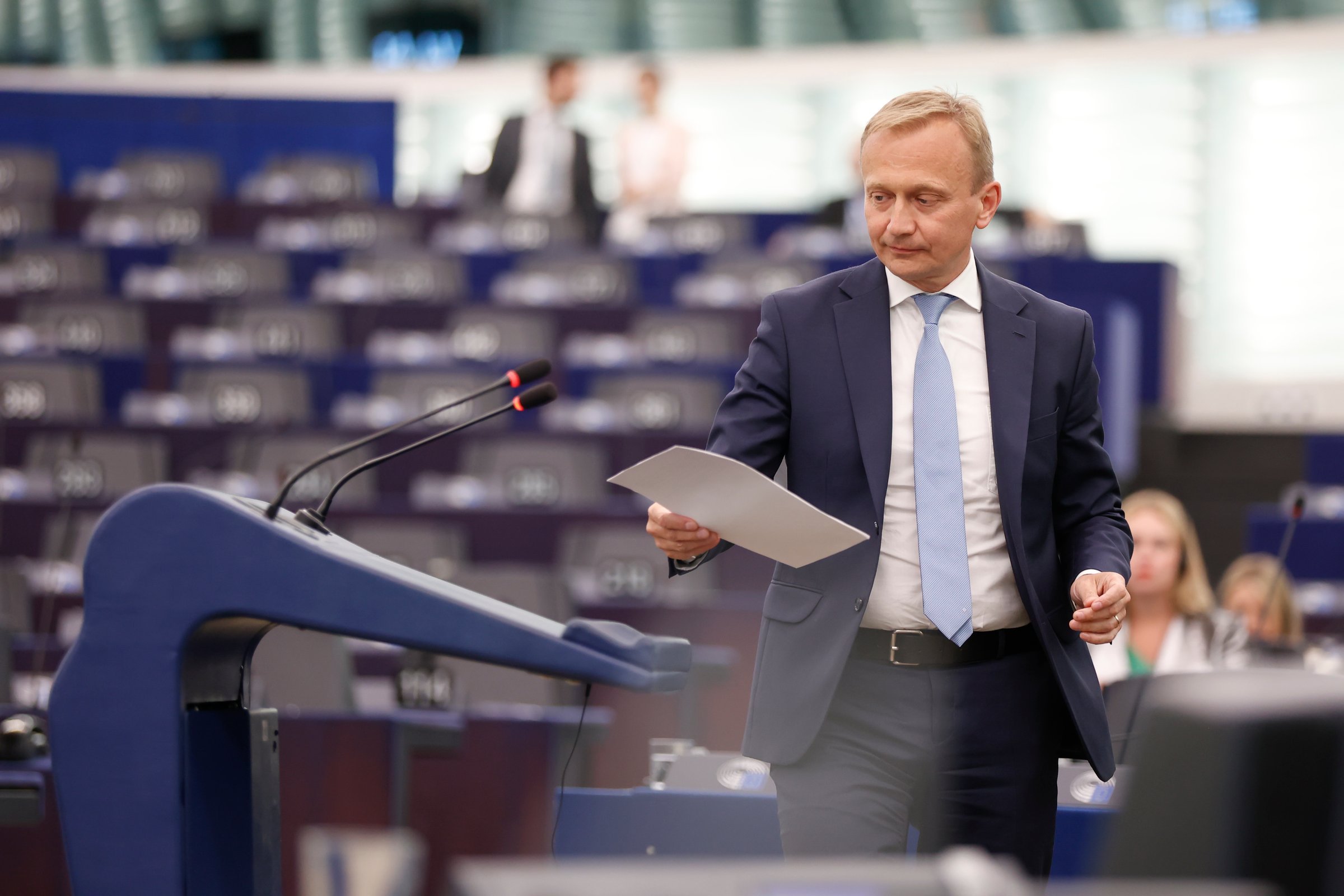
EU budget commissioner Piotr Serafin warned “the alternative to European spending is more national spending” – adding that defence, energy security and research “will have to be financed one way or another.”
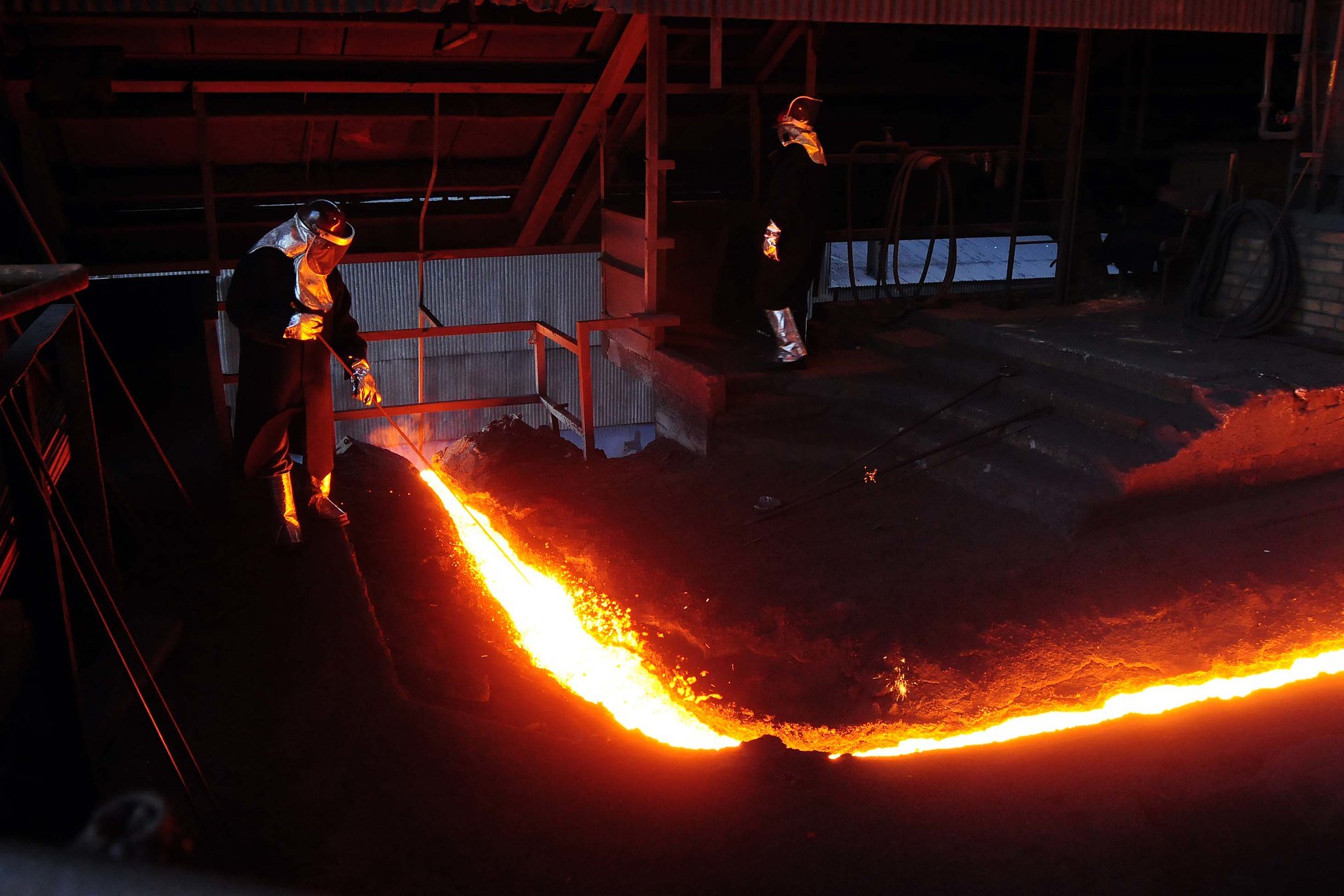
China is set to face tougher restrictions on its steel exports to Europe under a new formula set out by the EU Commission.
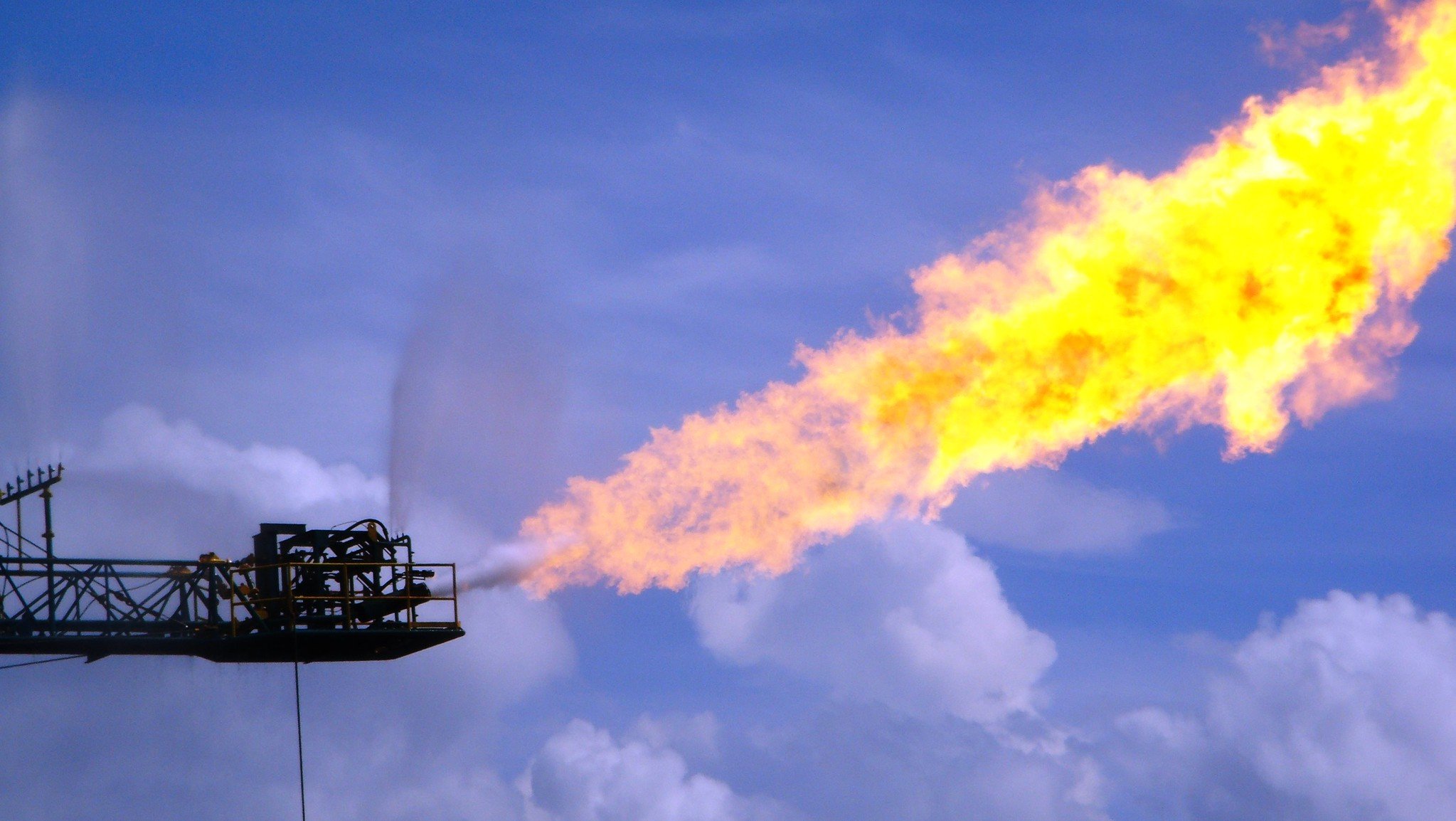
Nearly half of EU member states, oil and gas companies and the US administration claim the EU’s methane regulation is unfinished, causes legal risks, and could disrupt Europe’s gas supplies. But does it?
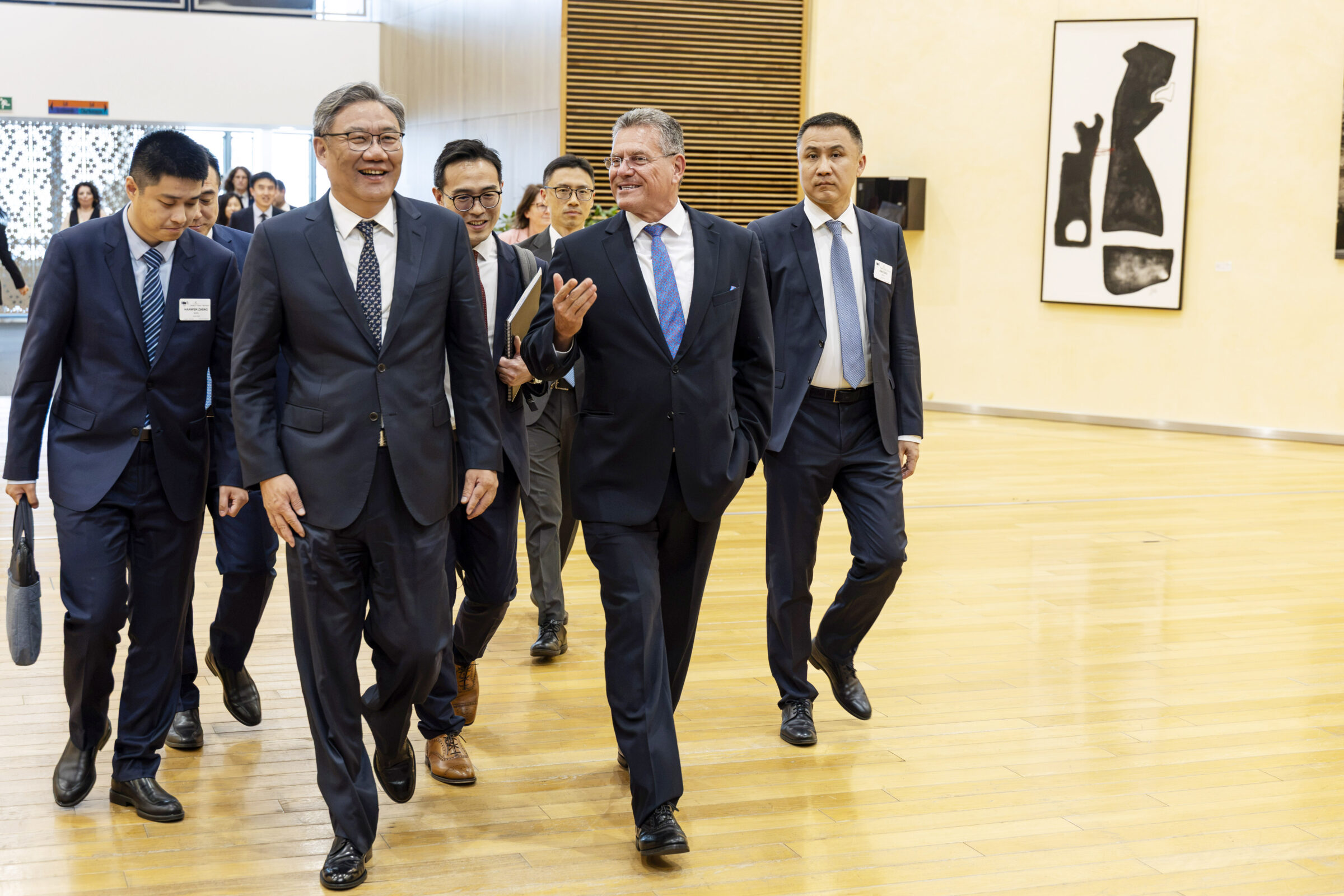
After months of rhetorical disputes and the threat of new trade defence measures, top EU and Chinese trade officials have set themselves an October deadline to resolve their disputes.
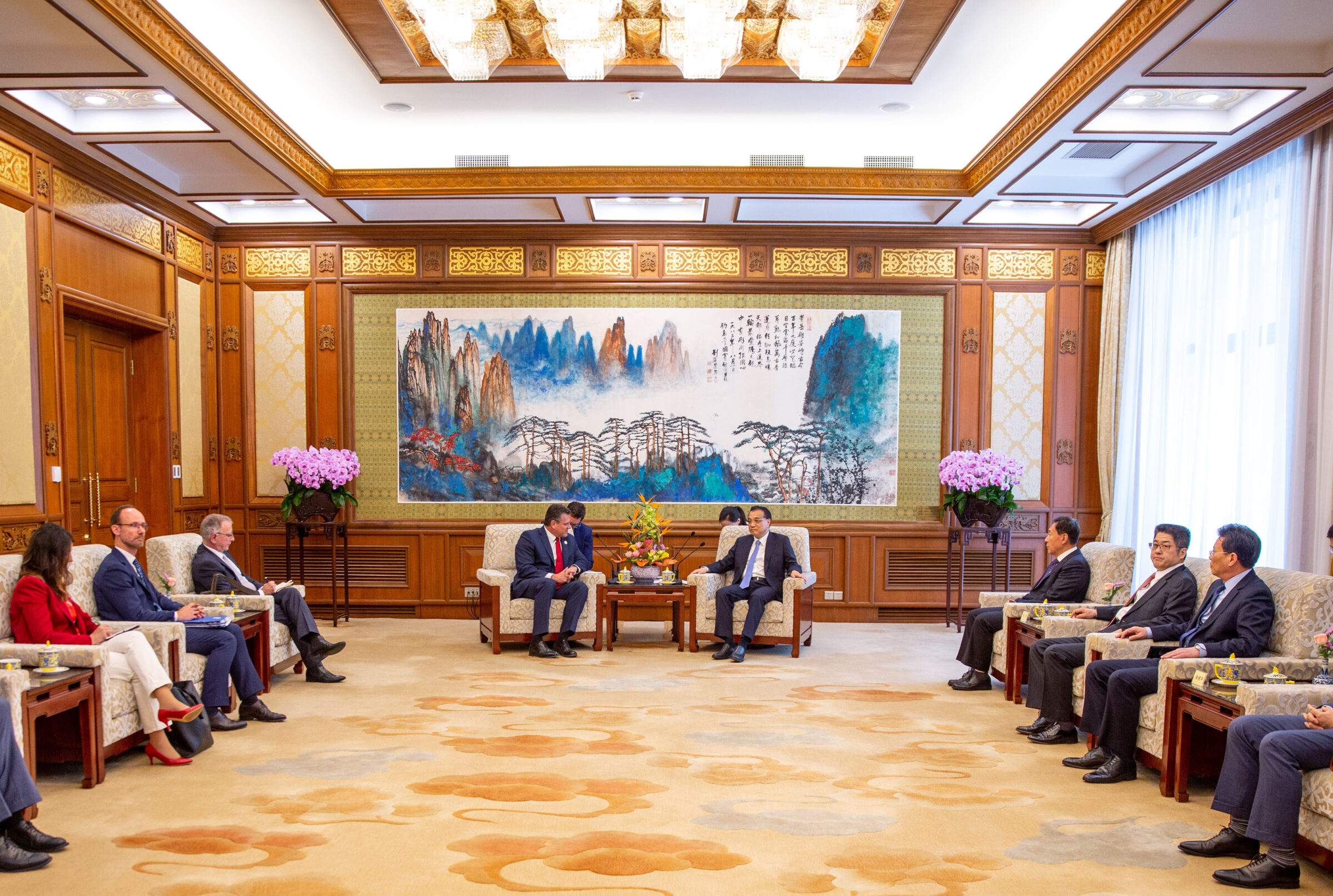
Monday’s meeting between Chinese commerce minister Wang Wentao and EU trade commissioner Maroš Šefčovič in Brussels has been billed by EU officials as a make-or-break event for the future of Europe’s trade with the manufacturing superpower.

Replacing combustion engines with electric cars and switching industrial heat from fossil fuels to electricity are among the most impactful ways to decarbonise. Yet, in exactly in these areas Europe is weakening its policies.
The most impactful change is the abolition of taxes charged on cross-border payments of dividends, interest and royalties between companies. This alone accounts for around €5.3bn of the projected savings.
“We can no longer accept that digital payments are largely dependent on the goodwill of a few foreign providers. This package changes that,” said Markus Ferber, economy spokesperson for the conservative European People’s Party group, after Tuesday’s vote.