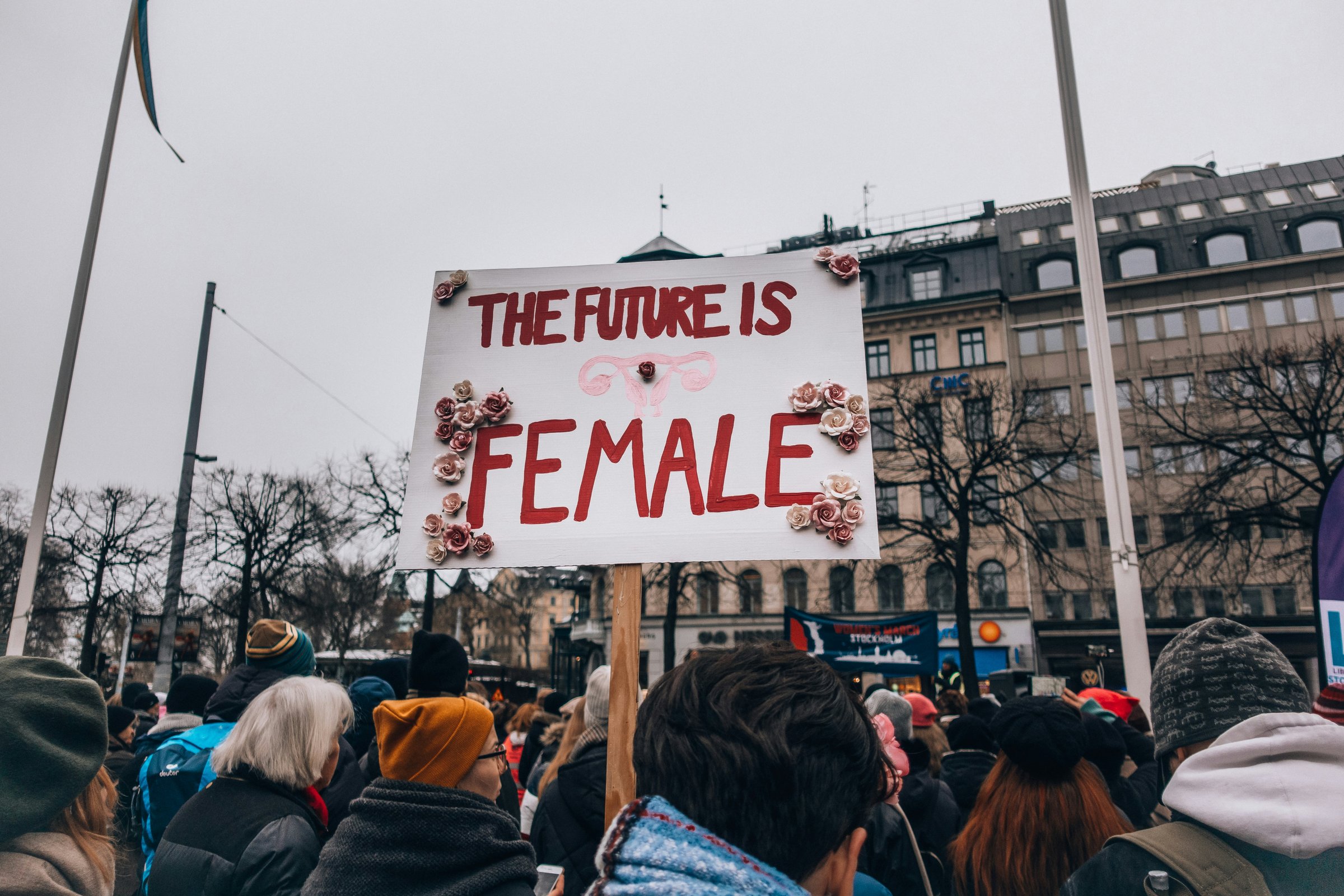
No country in the world has achieved equality for working women, according to a new World Bank report released ahead of International Women’s Day (8 March).
For the first time, the organisation has included childcare and safety issues in its analysis, and the results show that the global gender gap is much wider than previously estimated.
According to the report, the gap between women and men is also damaging the world’s economies, as closing the gap could increase global gross domestic product by more than 20 percent.
At EU level, the overall picture for women is brighter, but also shows mixed results, with some indicators showing improvement, such as women’s participation in employment, while others, such as gender segregation in the labour market, show no progress over the last decade.
With the EU’s current legislative period drawing to a close with the elections in June, EUobserver had a closer look at the last five years of gender policy — has the EU been ambitious enough in achieving gender equality? What were the main hits and misses? And where should work continue in the next term?

![As birthrates decline and the workforce empties out, “in some countries, [people] are obliged to retire,”](https://static.euobserver.com/2005/04/677e4ac7c530bd9e00eb0ac007326e19.jpg)