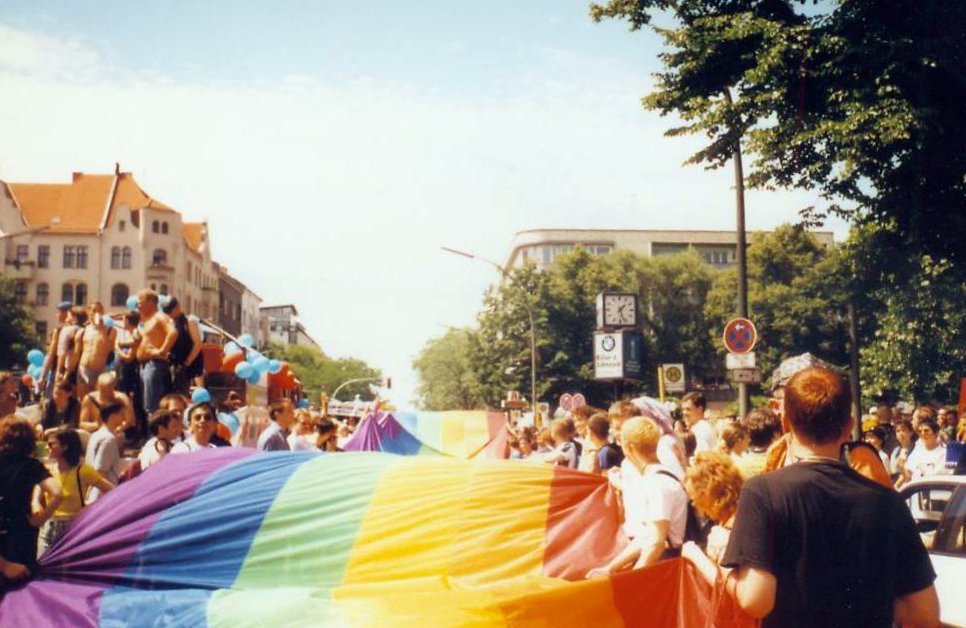
Grief, anger and solidarity swept through Berlin’s LGBTQ community after the weekend’s deadly vehicle attack at the annual Pride celebrations, which left one person dead and more than a dozen injured – prompting condemnation from EU leaders and politicians across the world.
German chancellor Friedrich Merz described the attack late on Saturday (25 July), in which a white van was driven into a crowd near Tiergarten Park, killing one woman and injuring at least 29 others, as “despicable” and “an attack on our society.”
“It was shocking and came out of nowhere,” Nora, a pride participant, told EUobserver. “Such a beautiful demo, such an important event for rights and for everybody to feel seen. And this event laid a shadow over it.”
Berlin’s mayor Kai Wegner called it “an attack on our free and cosmopolitan society,” writing that “Berlin is the city of freedom — and our freedom has been horribly attacked”
Authorities said the suspect, a 21-year-old German citizen of Lebanese descent, allegedly had ties to Islamist extremist circles. He was shot dead by the police the following day after the attack.
Questions remain over the security arrangements and how the vehicle was able to get through, prompting other major city events to strengthen their measures, including the ongoing WorldPride celebrations in Amsterdam and Prague Pride, which begins next month.
“This is an attack on the values that define our Union. The European Union condemns all forms of hatred, extremism and violence in the strongest possible terms,” said EU Council president António Costa.
“Everyone should be able to live, love and stand up for their rights without fear. There is no place for hatred and violence in our societies,” said EU commission president Ursula von der Leyen on social media.
“We stand united with the LGBTQI+ community,” she also said, as thousands of people attended a vigil in Berlin.
Echoing the same message, European Parliament president Roberta Metsola said: “We will continue to stand united against those who seek to sow fear and division.”
In Europe, about half of LGBTIQ+ individuals (55 percent) report experiencing hate-motivated harassment (up 18 percentage points since 2019), according to a survey from Europe's Fundamental Rights Agency.


 THIS WEEK: EU turns to Africa, as Middle East burns



 Elena Sánchez Nicolás
 Gaia Neiman