 THIS WEEK: EU weighs curbs on Israeli-settlement trade, as India tech ties and carbon market review top agenda
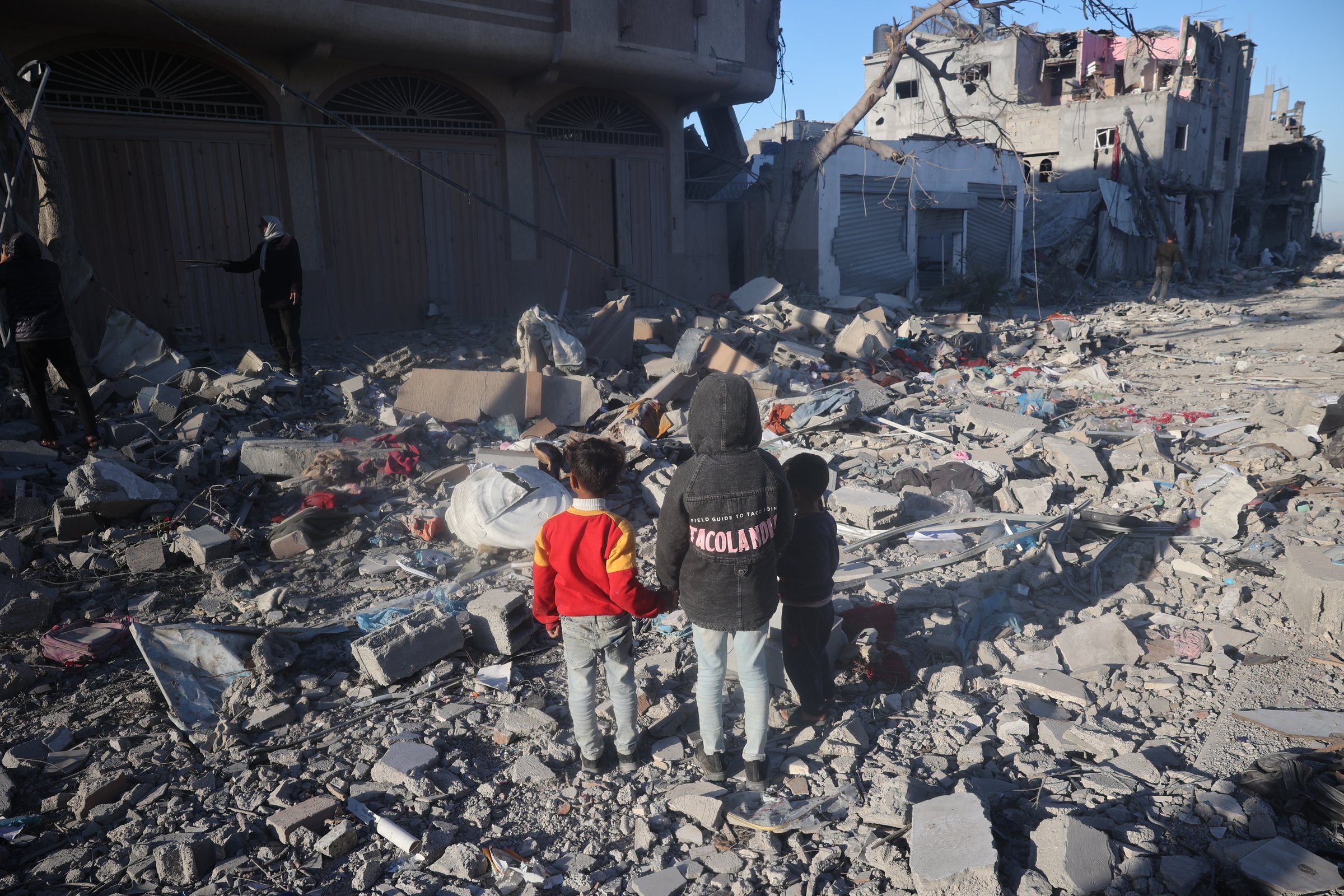
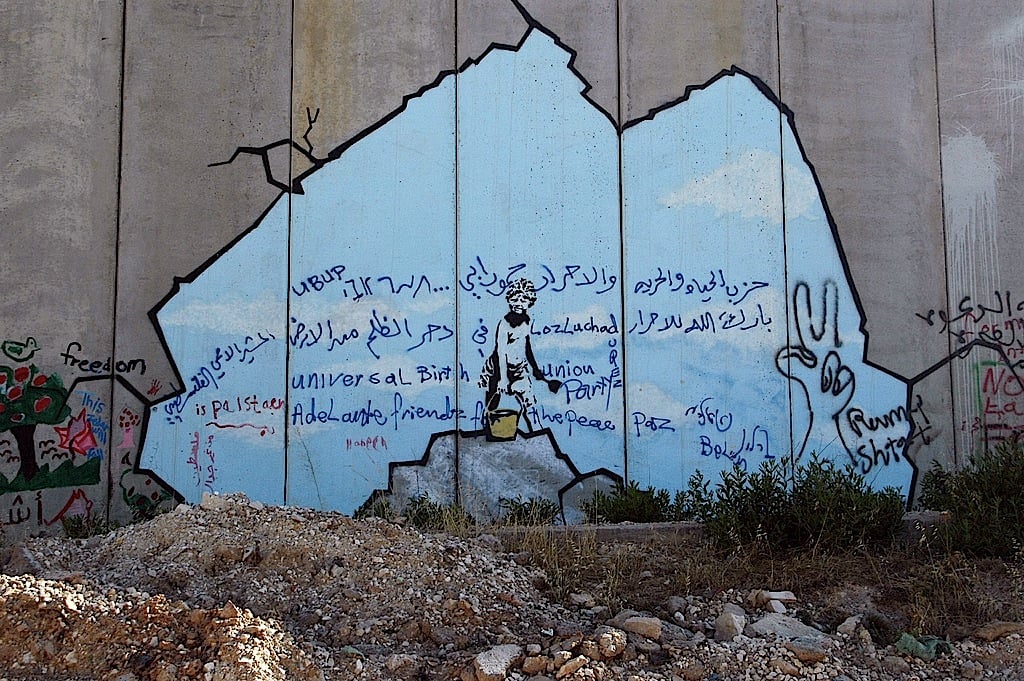
Options to restrict trade between the EU and illegal Israeli settlements in the West Bank will be discussed by EU foreign affairs ministers on Monday (13 July).
An import-licensing regime, higher tariffs, and a trade ban on imports from Israeli settlements are the main options on the table by the European Commission, with the question of the legal basis at the core of the debate.
Unlike foreign policy, which requires unanimity, trade measures could be agreed by qualified majority vote.
But the European Commission has favoured the foreign policy route, requiring unanimity, in line with the preferences of countries such as Germany — even though this approach has repeatedly proven impossible in the past.
No decisions are expected on Monday, and the next opportunity for a potential proposal to be discussed or voted on would come on 12 October — just two weeks before Israel’s elections on 27 October.
“Everyone knows nothing will happen, and we are running out of time,” an EU diplomat told EUobserver.
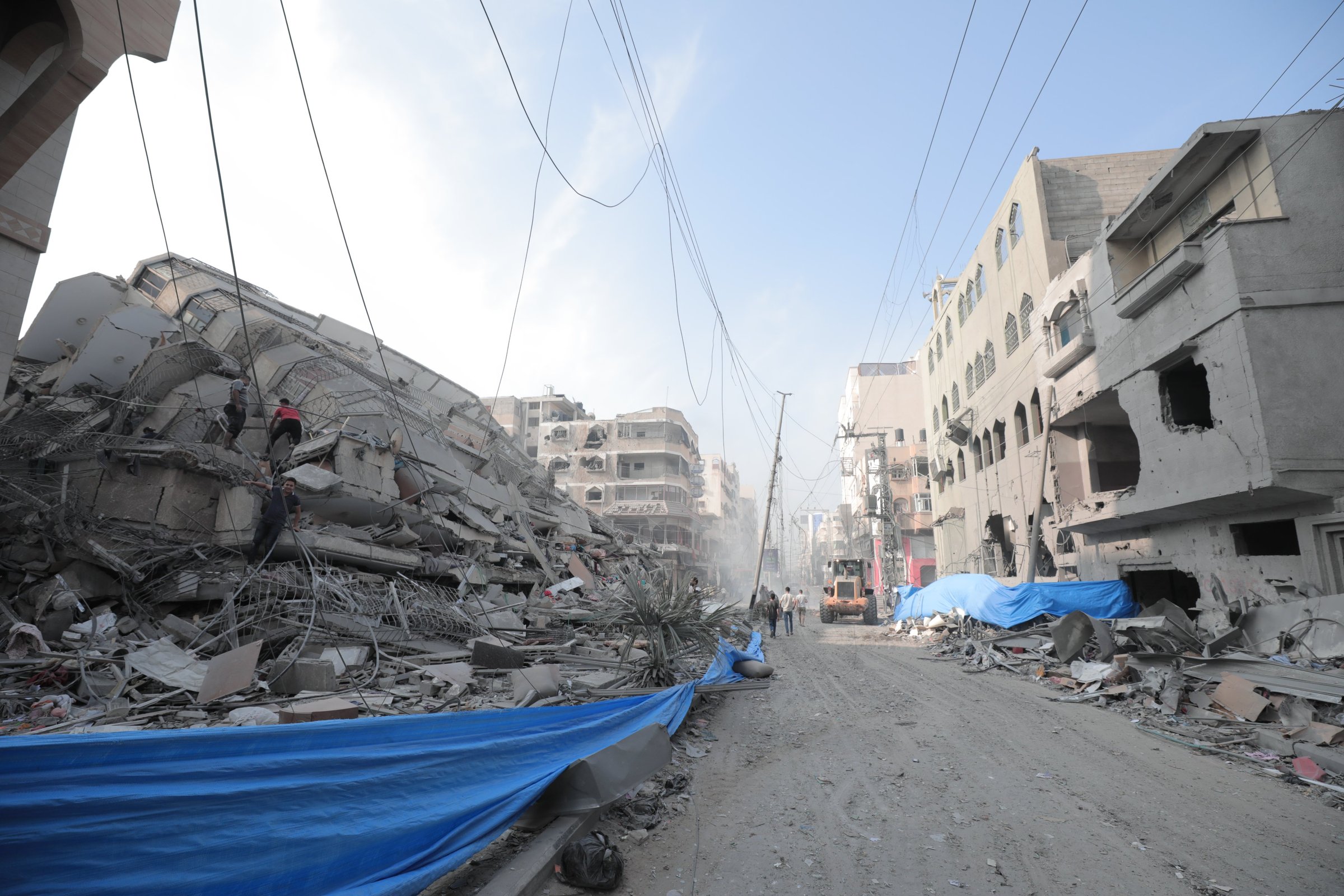
Also on the agenda of foreign affairs ministers will be the fragile ceasefire in Lebanon and the humanitarian situation in Gaza, alongside Ukraine, Russian visas, a Black Sea strategy and relations with the UN.
Officials from the EU and Gulf countries will meet during lunchtime to discuss regional security and cooperation.
With Mohammad Mustafa, prime minister of the Palestinian Authority in town, the European Commission is expected to announce additional financial pledges for the reconstruction of Gaza.
Although the EU is the largest donor to Palestine, there has been limited transparency about how the funding is spent and where it ends up – especially when it comes to Gaza.
This will be one of the subjects discussed in the Secrecy Tracker newsletter (a collaboration between EUobserver, Investigate Europe and Follow The Money Europe), which will come out on Tuesday.
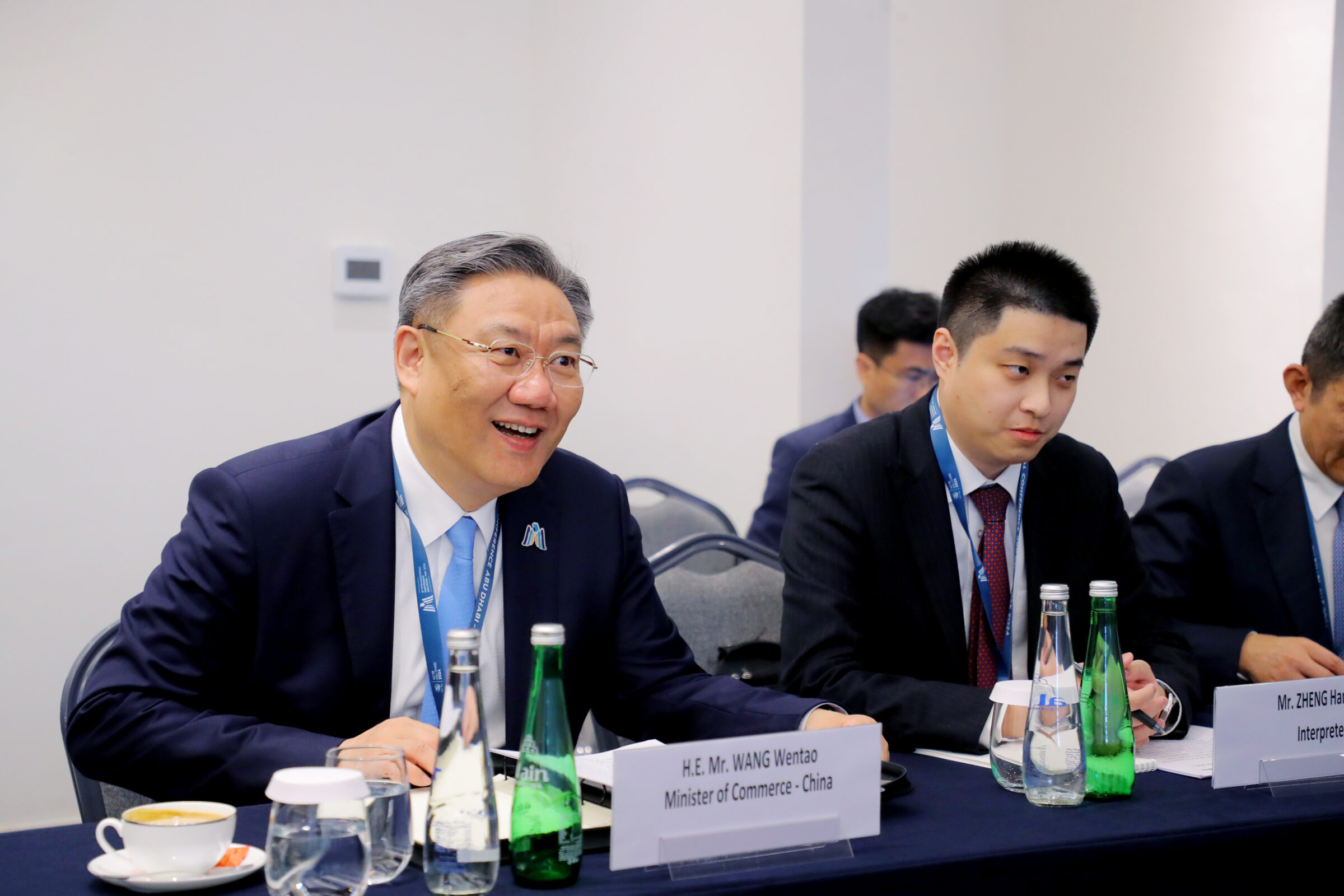
On Wednesday, Indian ministers and commission officials will gather in Brussels on the occasion of the EU-India Trade and Technology Council, with bilateral trade and the WTO reform on the agenda.




 Crystal ball: EU will do nothing about Israel on Monday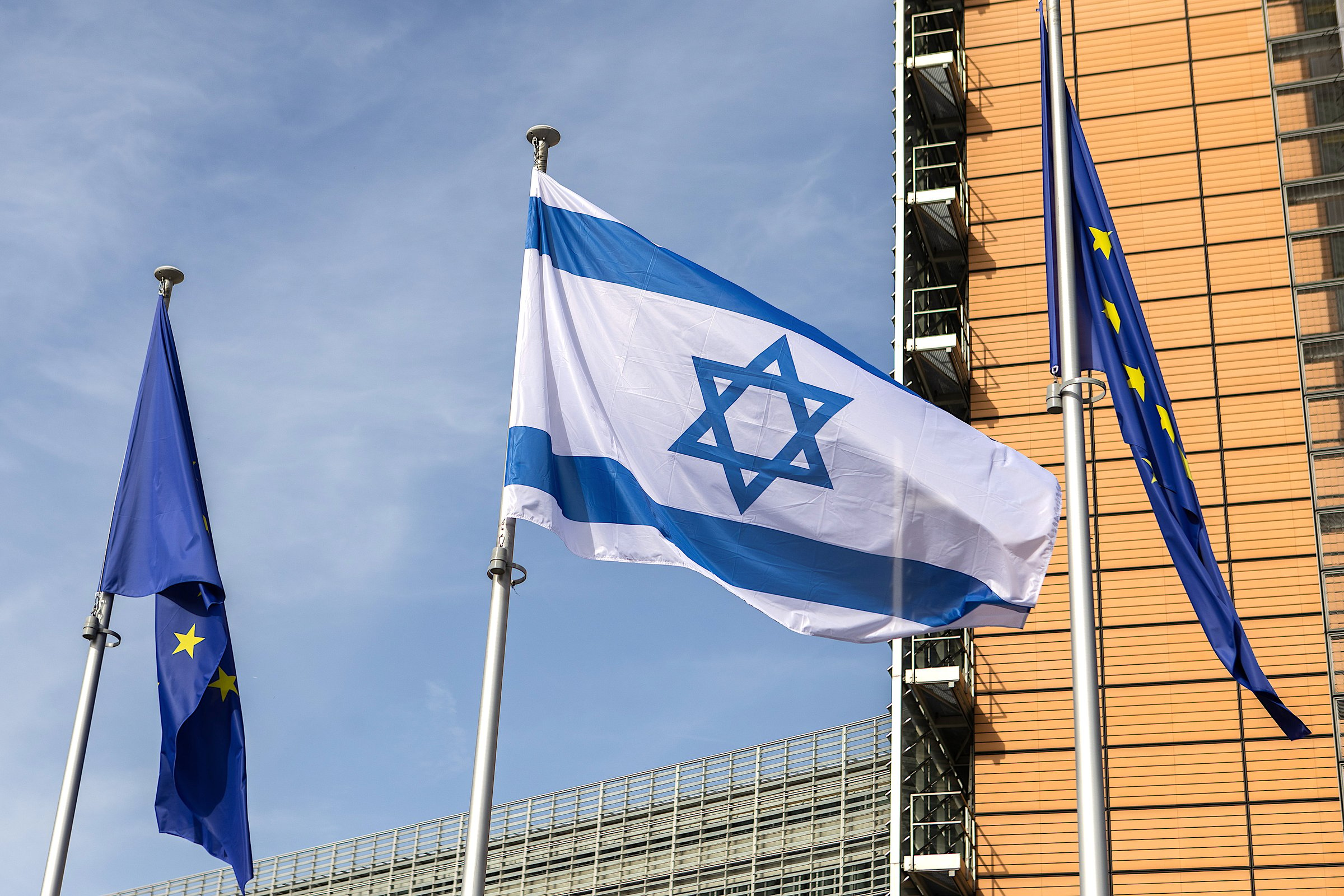
 Elena Sánchez Nicolás