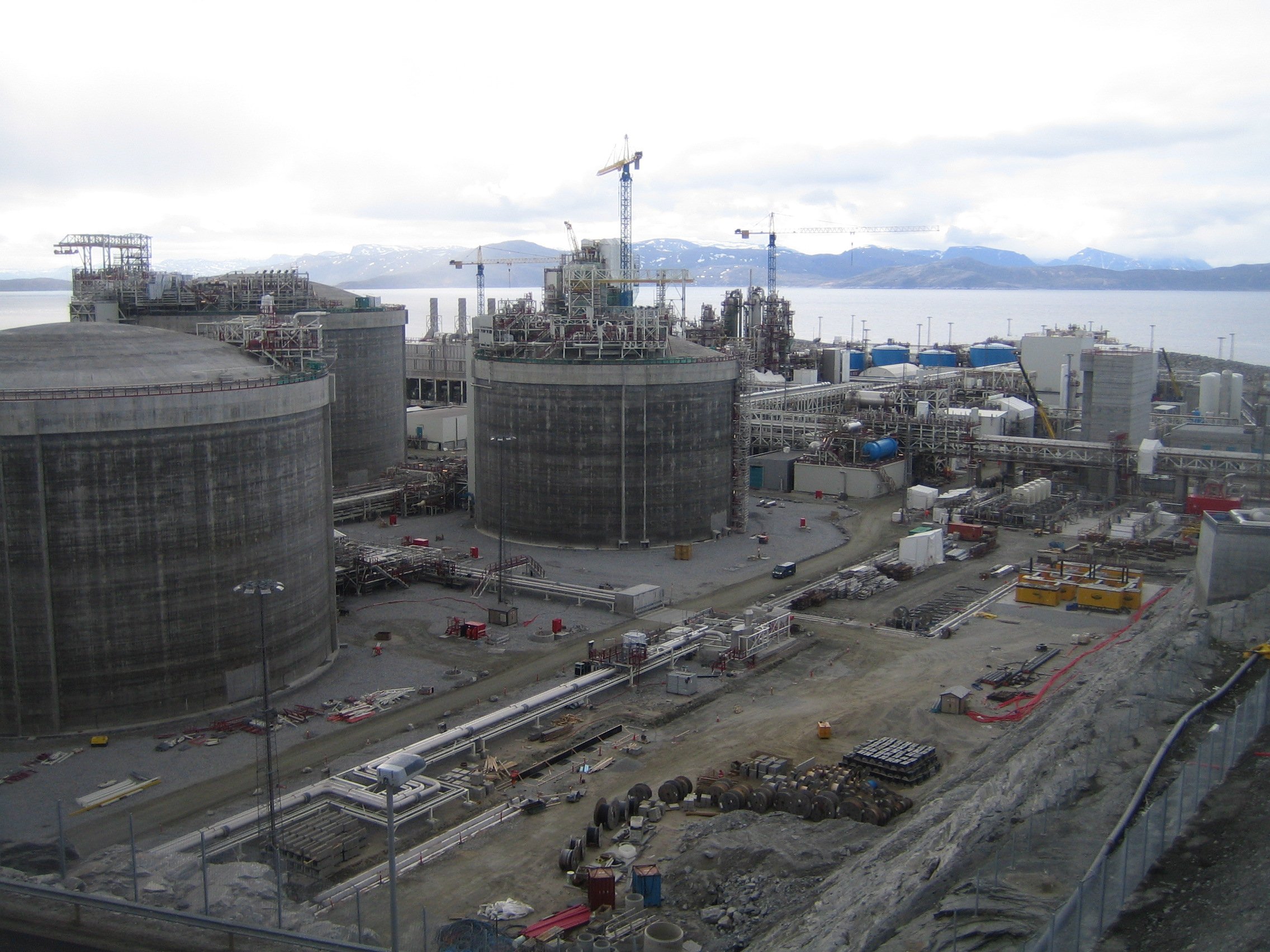
The Strait of Hormuz has been closed since early March, yet so far Europe has dodged a full-blown energy crisis. But a new study published on Wednesday (20 May) says the worst may still lie ahead.
Compared to 2022, Europe is “more exposed to gas-price shocks, not less,” researchers from a group of academics at the Vienna University of Technology, Oxford University, the Norwegian University of Science and Technology (NTNU) and Paris Dauphine University write.
Diversifying suppliers after Russia invaded Ukraine was effective in reducing reliance on Russian gas.
But it also increased reliance on overseas gas supplies. This makes Europe more sensitive to price-shocks if global supplies are disrupted, as is currently the case.
The research runs the numbers on three scenarios. In all of them, Europe does not physically run out of gas, but a price shock is likely in each case.
Even if the Strait opened tomorrow, prices would settle above where they were before the crisis long term.
If the Strait remains shut for six months (and with ceasefire talks still deadlocked three months after the US and Israel launched Operation Epic Fury this remains a possibility), European liquified natural gas (LNG) import prices would push past $28 [€24] per MMBtu (a standard gas pricing unit), more than double last year’s average.
The really bad scenario includes US export restrictions on gas.



 ‘De-risking not decoupling’ with Beijing – but what does the EU actually mean?
 Wester van Gaal