The EU Commission has announced plans to relax debt and spending limits for energy-related investments by member states.
The aim is to help countries speed up decarbonisation and reduce reliance on imported fossil fuels.
It is a response to the fossil-fuel crisis caused by the blockade of the Strait of Hormuz, which entered its fourth month in June. The plan expands the so-called ‘escape clause’ in the EU’s fiscal rules, which was originally created for defence spending.
This would allow member states to spend up to 0.3 percent of GDP per year on energy investments without breaching EU fiscal rules.
Commission officials said on Wednesday (3 June) that eligibility criteria will be set out in a note to EU finance ministries before any formal decisions are taken.
Brussels will keep a tight grip on the process. Before making use of the extra spending room, a member state must request the exemption, the commission then issues a recommendation, and the council of member states takes the final decision.
There is a snag: the commission has not yet spelled out exactly which investments will qualify and which don’t.

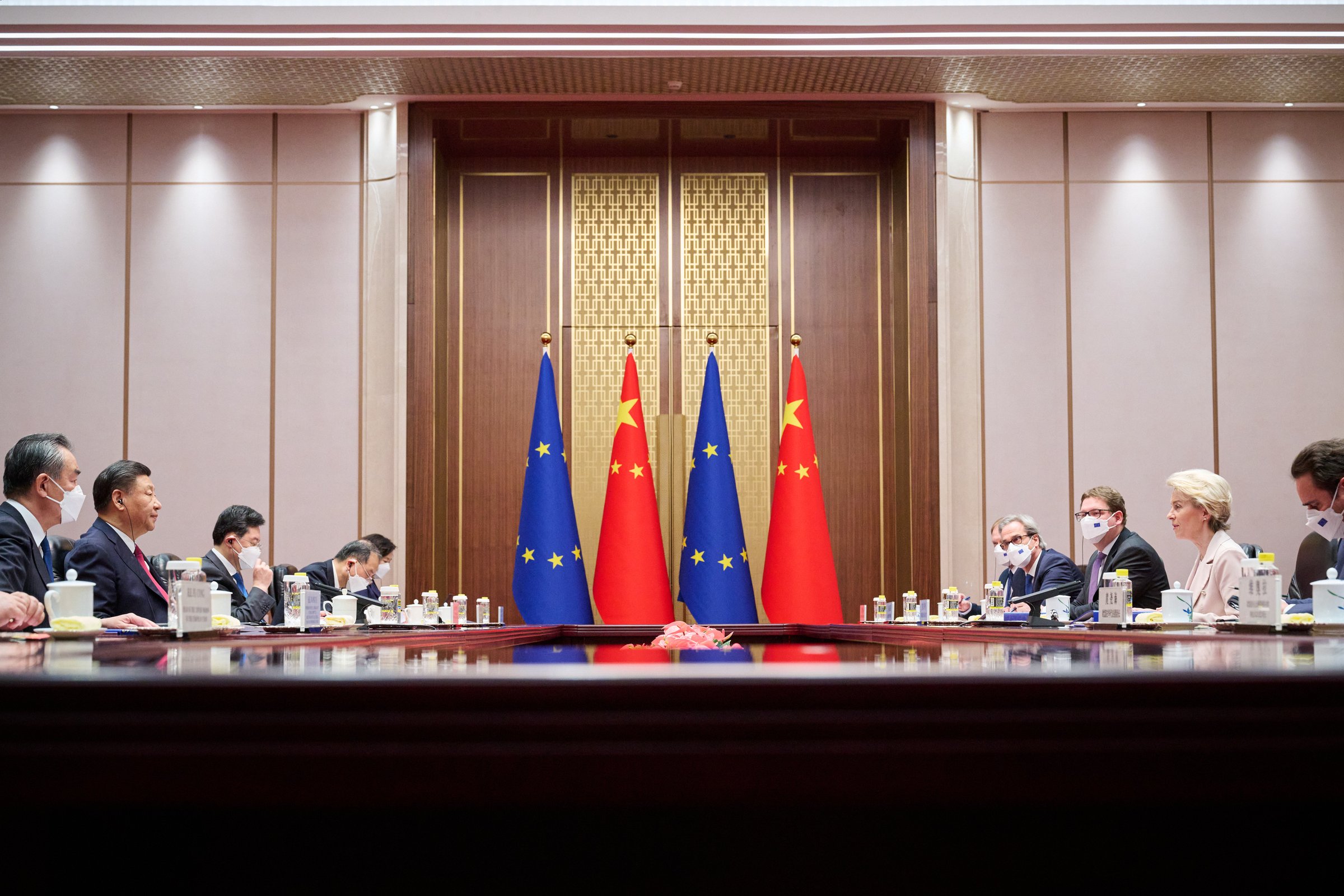
 ‘De-risking not decoupling’ with Beijing – but what does the EU actually mean?
 Wester van Gaal