Bavarian defence startups illustrate Germany’s transformation and the new nature of warfare.
Four and a half years ago, Germany was ridiculed when, a month before Russia’s invasion of Ukraine, it sent the threatened country only 5,000 military helmets as a gift in response to its calls for weapons. Sending arms to conflict zones in eastern Europe was at that time taboo for Germans for historical reasons – even at a moment when Russia’s blatant aggression against its smaller neighbour was clearly looming.
Cut to the present: German chancellor Friedrich Merz has promised to build the strongest army on the continent in his country. He wants to meet the Nato commitment of defence spending at 3.5 percent of GDP already in 2030, five years earlier than required, and within a few years the German military budget will be larger than the British and French ones combined.
The defence company Helsing, together with Ukrainian partners, is producing thousands of attack drones; Ukrainian president Volodymyr Zelensky visited its production line near Munich this February.
The startup Tytan Technologies will open a factory in the spring that is to become Europe’s main producer of smart defensive drones.
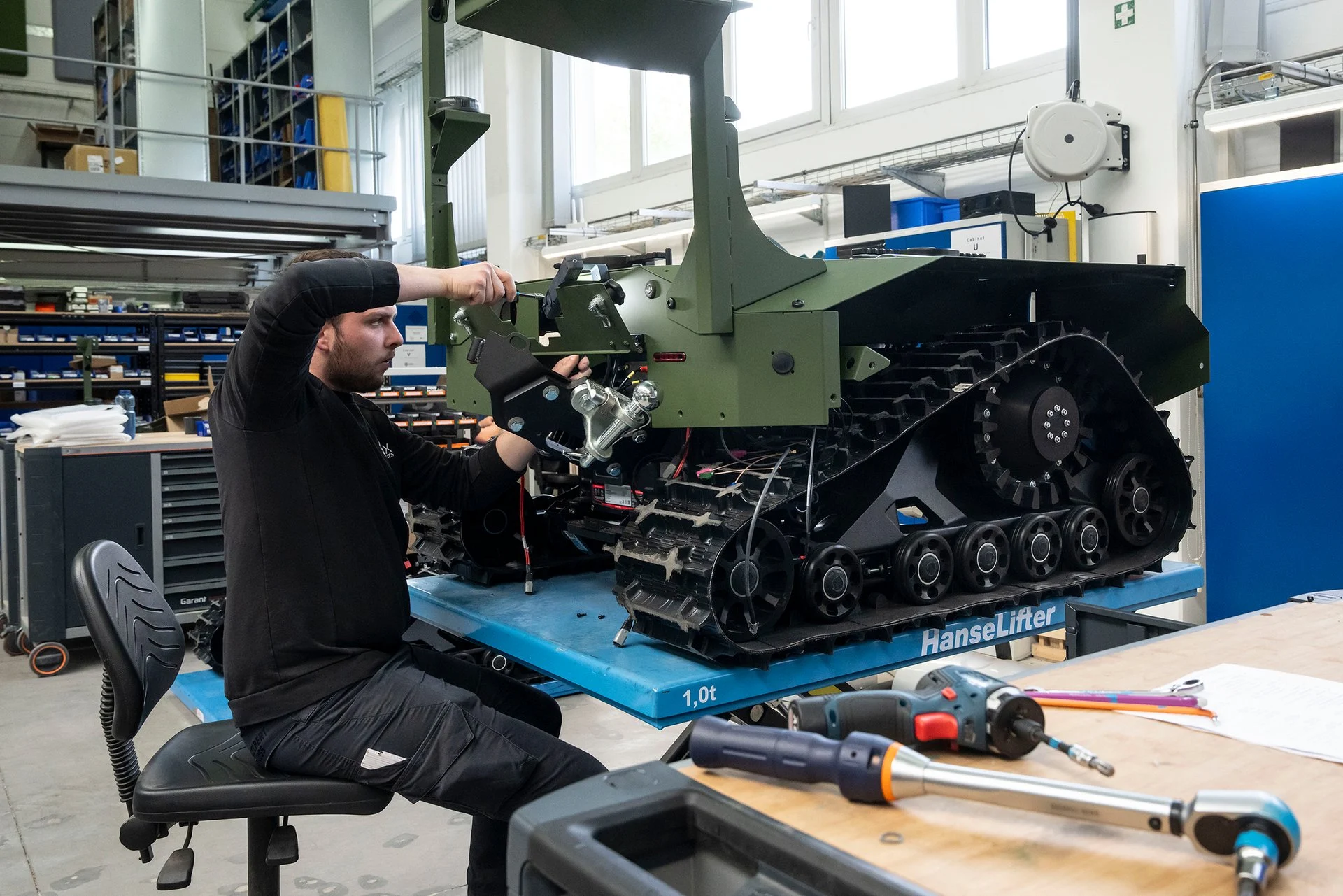
ARX Robotics is also the leading supplier of unmanned military vehicles to Ukraine and is building there – in its own words – “the world’s largest connected military robotic fleet”.
What all three companies have in common is that they are based in Munich and have grown up or even been founded only after the start of Russian president Vladimir Putin’s war. In recent months, the Bavarian capital has been turning into a centre of an unexpected boom in defence startups, illustrating both Germany’s transformation and Europe’s intensified push for security sovereignty.
From cars to arms
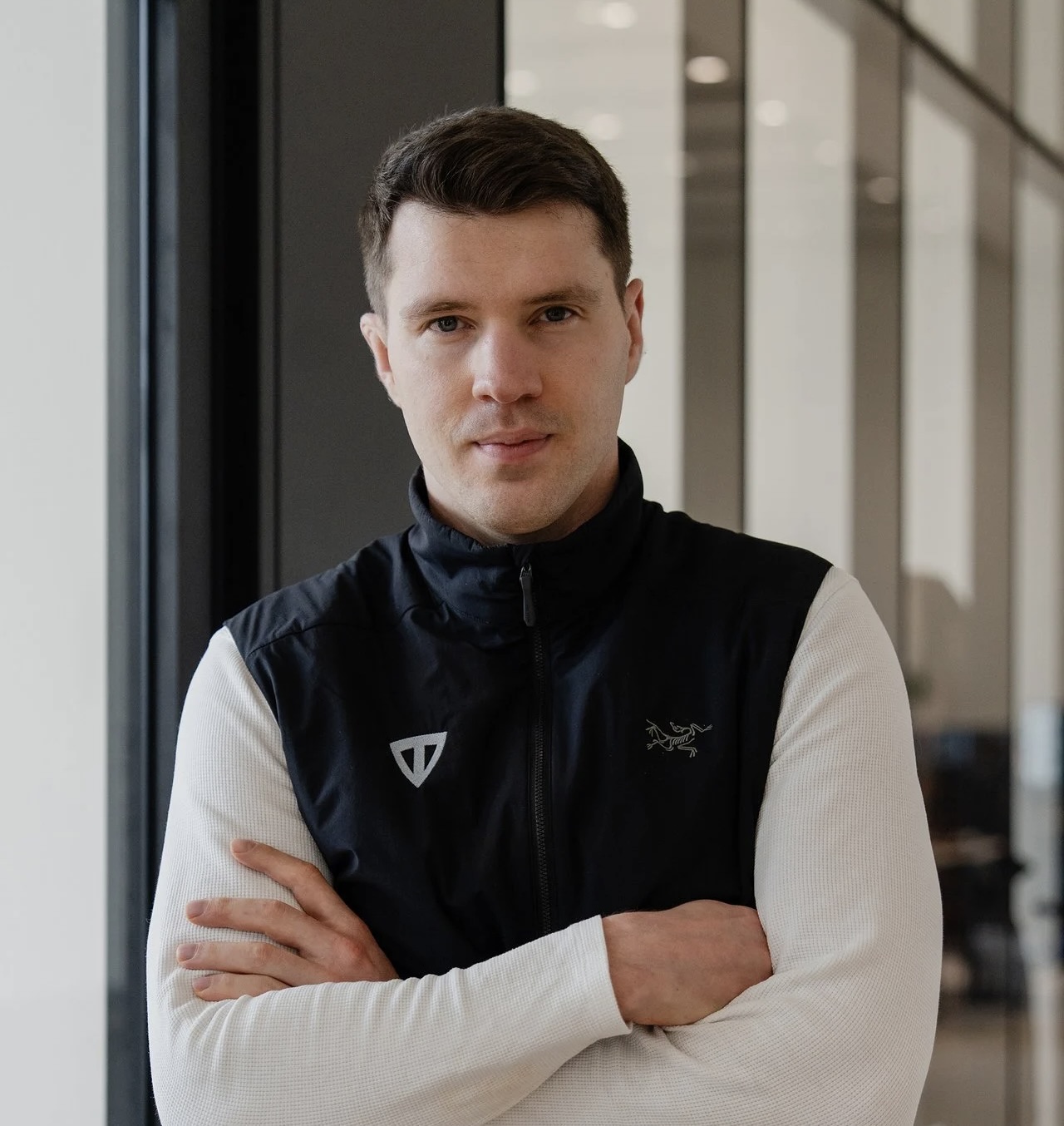
The founders of the Munich comet Tytan Technologies do not come from Germany. Hungarian Balázs Nagy and Turk Batuhan Yumurtaci arrived here about 10 years ago to study at the top-ranked Technical University (TUM München).
“When you come from the outside, you may see more clearly than local students the enormous potential that the university and the city offer,” said Nagy during a meeting at the company headquarters on the outskirts of Munich, adding: “People coming from abroad tend to be more entrepreneurial than locals; that applies across the world. You already have a chunk of your life behind you and you dared to start somewhere else – so it is more likely you will also dare to start a business.”
Already during his studies, Nagy was interested in the social potential of drones: he thought about the possibilities of quickly transporting medical equipment to those in need. Russia’s attack on Ukraine steered his thinking towards defence four years ago.
“In the very first year of the war I was in the invaded country and perceived the threat posed by drone attacks and the need to devise an effective defence,” he said.
He admitted that the move into the defence business was easier for the two foreign students than for their German classmates, who had been brought up in the pacifist social culture of post-war Germany. Under the influence of the horrors in Ukraine, however, their inhibitions gradually fell as well, and today they make up the majority of the startup’s employees. Many other German security companies are, according to local media reports, overwhelmed with job applications.
Tytan Technologies is trying to respond to one of the major security challenges of today, which was demonstrated in practice by last September’s incursions of Russian drones into Polish airspace.
Drones that are cheap by the standards of military expenditure, costing only low single-digit millions and quick to manufacture, had to be neutralised by missiles that are an order of magnitude more expensive and laborious and time-consuming to produce. Tytan Technologies wants to correct this imbalance by using cheap, mass-produced defensive drones controlled by artificial intelligence.
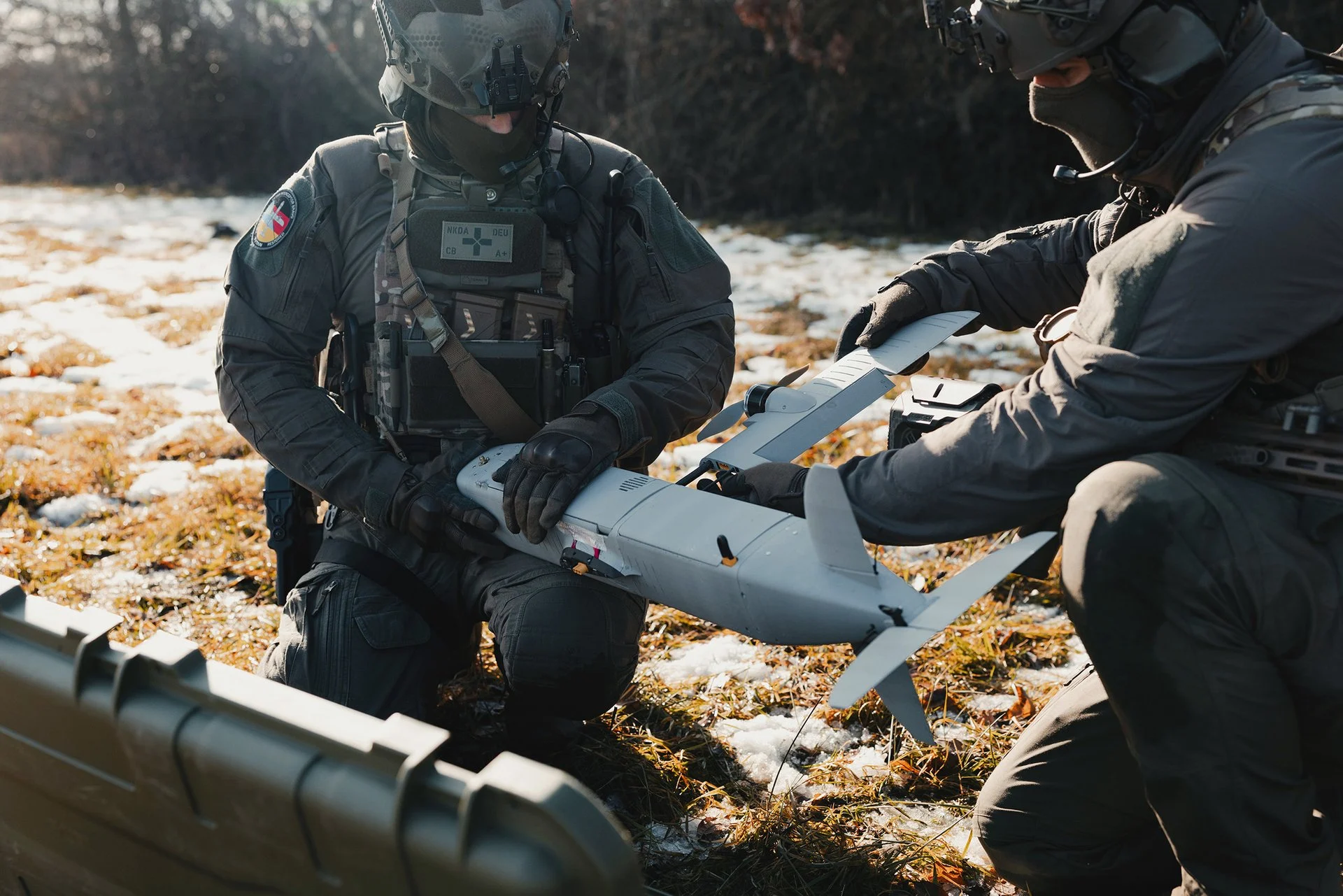
For the moment, it assembles them and prepares them for shipment to Ukraine in a workshop the size of a school gymnasium. Soon, however, it will move to another Munich address, where the production lines are to turn out first one thousand and eventually up to 3,000 drones a month. According to Nagy, that is more than the total number of similar drones currently manufactured across the entire EU.
Incidentally, construction of the factory is being overseen by an engineer who previously built a Mercedes plant in China – which illustrates how closely the growing German arms makers are intertwined with the stumbling car industry. “Germany’s advantage lies in its large production capacities, especially among supplier companies for the automotive sector. Thanks to them, it is possible to manufacture drones here on a truly large industrial scale,” Nagy said, rejecting the popular complaints that the German, manufacturing-oriented economic model is “kaput”.
 THIS WEEK: ECB set to hike rates, as capital markets union and climate top the EU agenda
 Tomáš Lindner