 This WEEK: MEPs decide on next EU budget, as ECB responds to Iran war
 THIS WEEK offers a weekly snapshot of the key developments in Brussels and across Europe over the next seven days, published every Monday morning.
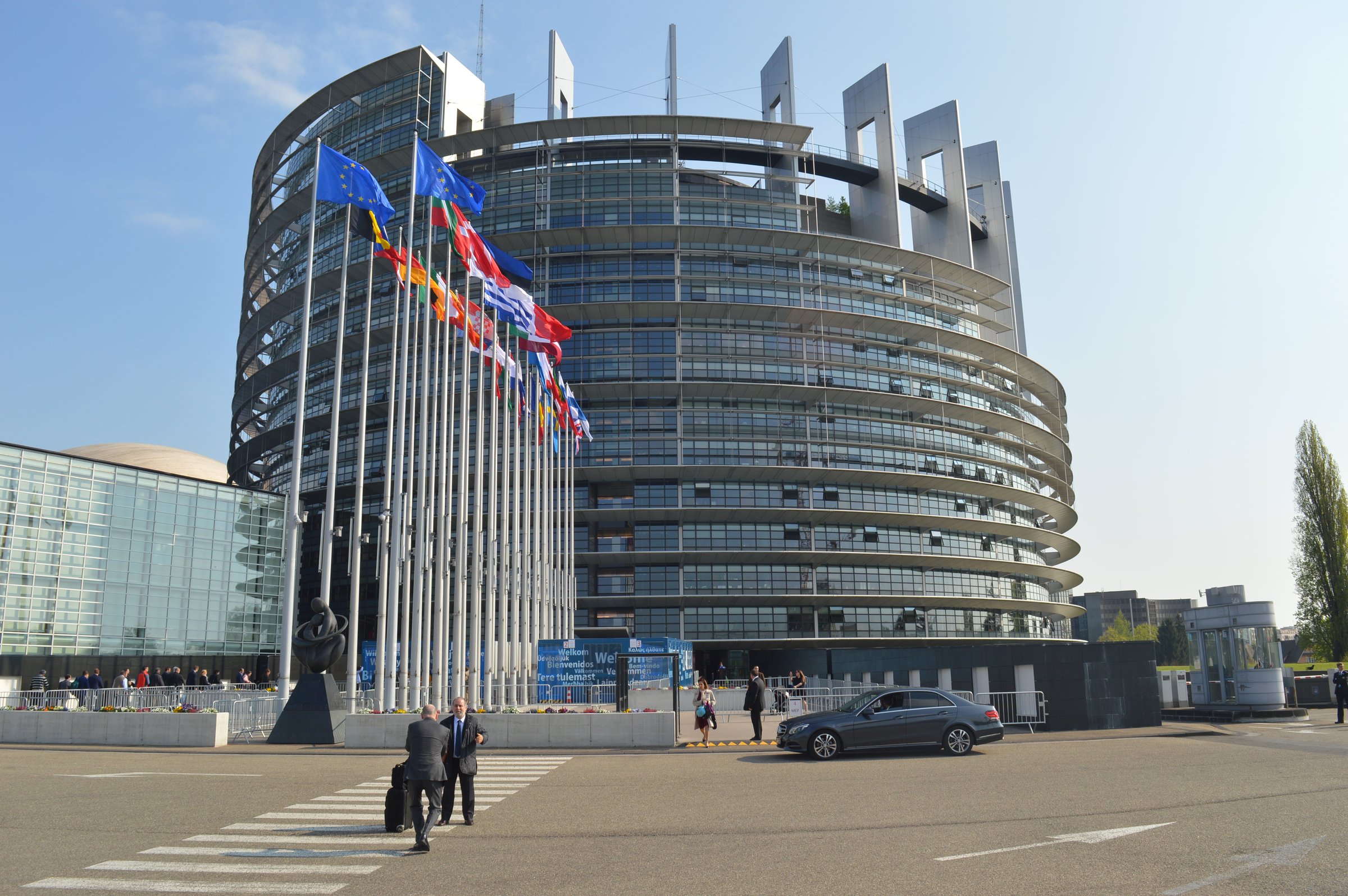
In Strasbourg, MEPs will vote on Tuesday (28 April) on their position regarding the next long-term EU budget for 2028–2034 – technically referred to as the Multiannual Financial Framework (MFF).
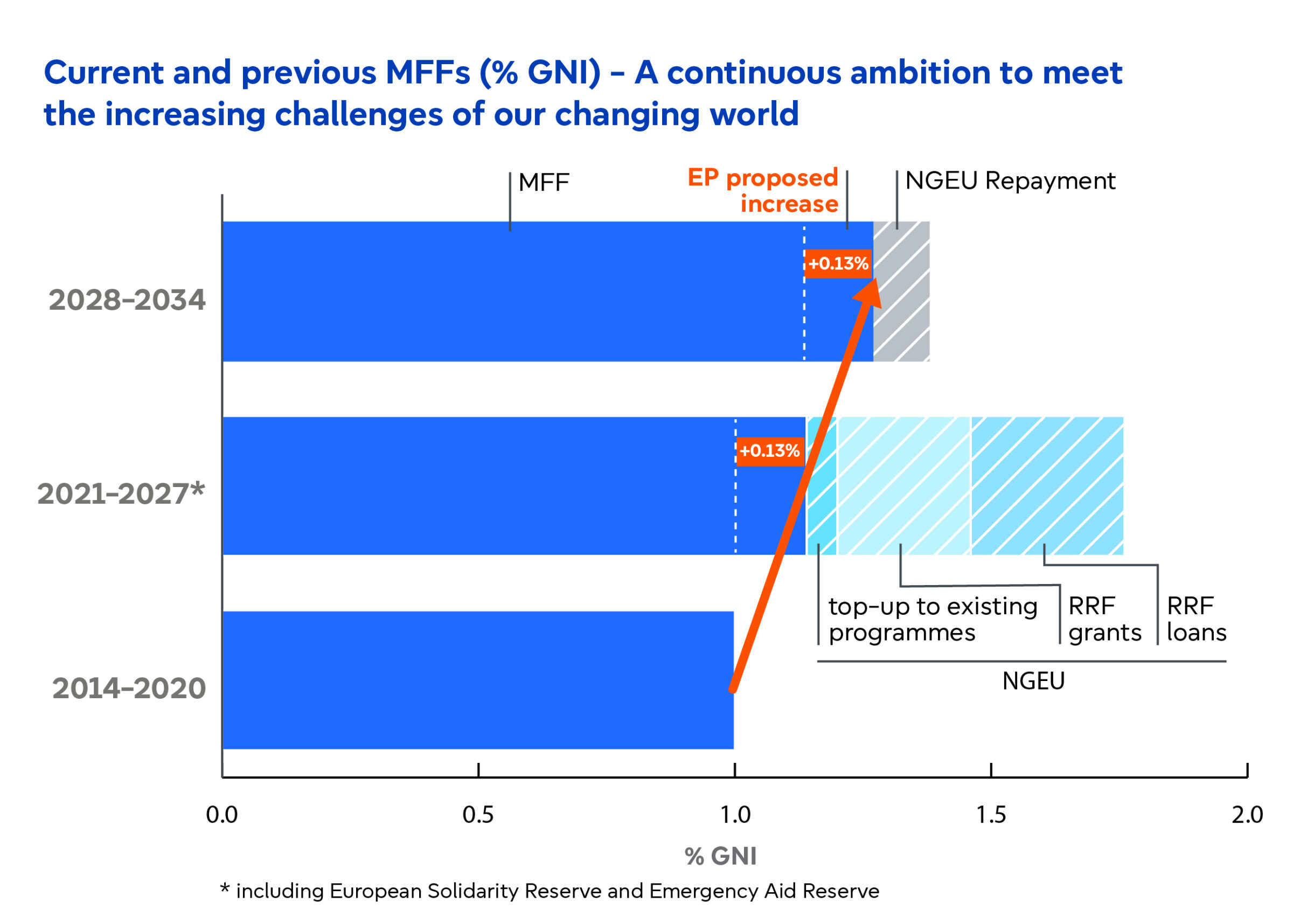
Earlier this month, members of the budget committee agreed that the EU’s long-term budget should be set at 1.27 percent of the total wealth (GNI) generated by member countries. They also said interest payments for the Covid-19 recovery fund (an extra 0.11 percent) should be treated as a separate expense, rather than being squeezed into the main budget’s spending limit.
The current budget (2021-2027) allocates about €1,200bn over seven years — approximately €180bn per year, or around one percent of the EU’s gross national income (GNI). The annual budget is similar to the Danish national budget, which serves 5.6 million people, compared to the EU population of 450.4 million people.
The vote in the European Parliament comes just days after divisions among EU leaders became clear during an informal meeting in Cyprus. Discussions will continue during the European Council in Brussels in June, when Cyprus, ending its the six-month EU Council presidency, is expected to present a so-called “negobox” with indicative figures.
The aim is to finalise the budget negotiations by the end of the year, although many see it as far-fetched.

 EU’s ‘Voldemort’ problem: talking about China without mentioning China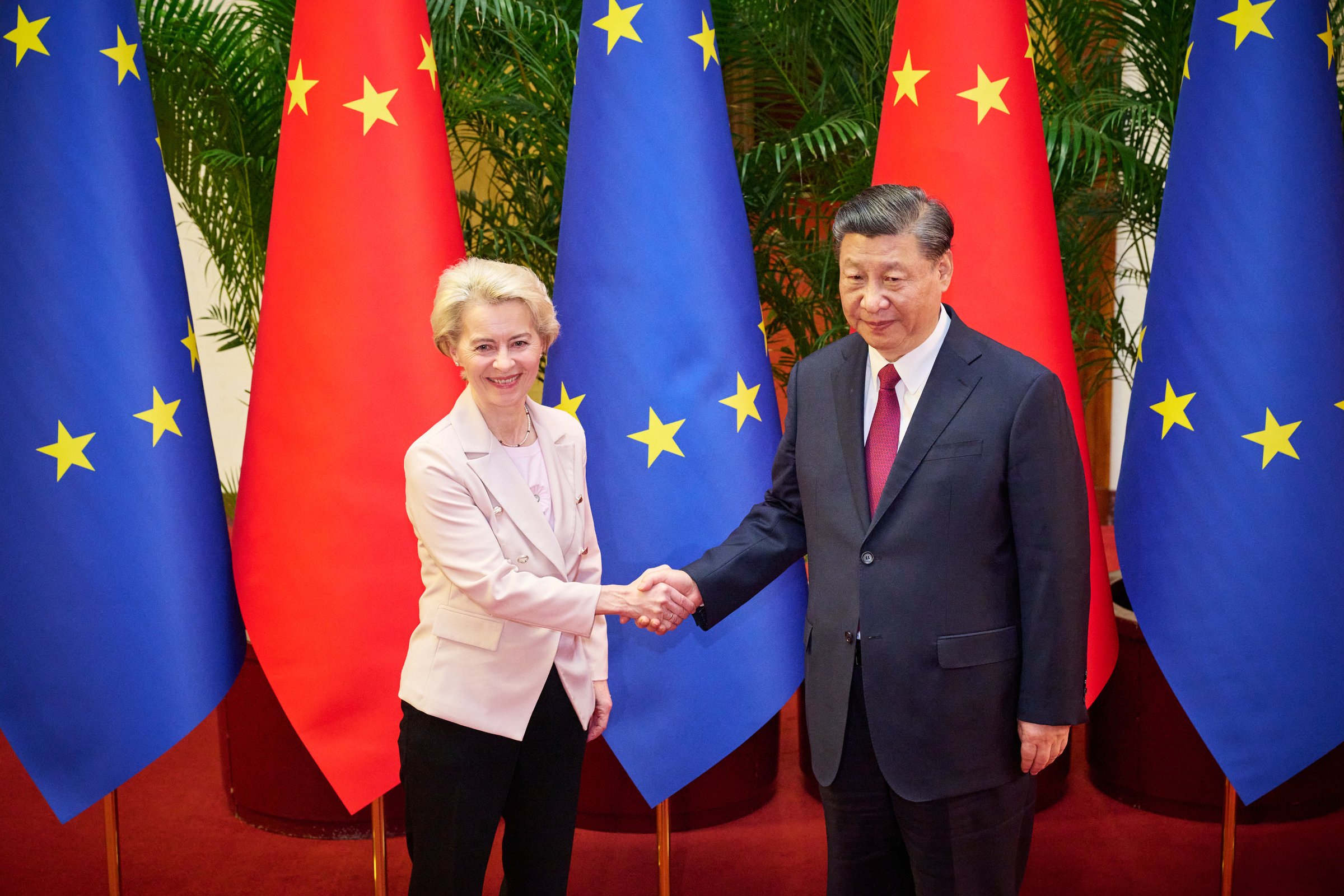




 Elena Sánchez Nicolás