The EU’s external actions have long rested on a stubborn narrative that over-romanticises friends, casts enemies as storybook villains, and treats the Global South as infants to be guided and managed.
It is time to replace such fantasy with a few inconvenient facts.
As the world hurtles into the Chinese zodiac’s Year of the Fire Horse — traditionally associated with disruption, volatility and forced transformation — the EU’s political elites must adapt to new realities.
The old, comforting Eurocentric worldview is no longer fit for purpose. It simplifies geopolitical complexities, avoids any serious reckoning with changing global power dynamics and conveniently ignores accusations of double standards as well as Europe’s history of colonialism.
Yet the fiction endures, helping to boost the EU’s self-image as a bloc which is “committed to a principled approach to protecting and promoting human rights, democracy and the rule of law” across the world – even when evidence suggests a far more selective application.
There are flickers of much-needed change.
US President Donald Trump’s on-again off-again tariff threats and desire to seize Greenland have re-awakened the dormant self-respect of at least some EU leaders.
Old habits die hard
Old habits die hard, however, and complacency is addictive. For many across Europe, despite their erratic behaviour, friends and allies are still viewed as fundamentally benign.
There was a brief moment of clarity when Trump seemed ready to use force to annex Greenland. EU officials rediscovered their passion for territorial sovereignty and international law. Outrage flared, emergency meetings were convened and tough statements issued.
Then came another Trumpian TACO (Trump Always Chickens Out) as the US president walked back the threat at the 11th hour allowing EU leaders to breathe a collective sigh of relief.
Predictably, the painful work of turning “strategic autonomy” into reality was postponed until the next crisis.
Self-congratulation quickly followed, with French president Emmanuel Macron insisting that Europe "sometimes is too slow, for sure," and "needs to be reformed, for sure," but it was still the best show in town.
Macron’s reassuring vision of Europe was validated only days later by a much-publicised high-level visit to “Incredible India”, the EU’s newest and heavily-romanticised “best friend”.
The EU–India trade agreement, signed after two decades of tough negotiations, and the new defence pact promising expanded weapons trade in an already heavily-armed and unstable region, are certainly a significant geopolitical breakthrough with benefits for both sides.
What is missing from the EU-India conversation today is almost as revealing as what is included.
Blind eye to New Delhi's Moscow embrace
After years of scolding Global South countries — especially China — for maintaining ties with Russia, Brussels has chosen to look past India’s close strategic embrace of Moscow.
It has also quietly watered down the agricultural pillar of the trade deal and diluted sustainability and environmental commitments to accommodate Indian sensitivities.
Most strikingly, human rights conditionality, once presented as a defining feature of EU trade policy, has been carefully set aside.
There is no meaningful reference to India’s deteriorating human rights record, shrinking civic space, the discrimination and marginalisation faced by Muslims, or New Delhi’s hard-line approach to Kashmir.
Also left unsaid is that, unlike many countries in the Global South, India, like the EU, still has a close strategic relationship with Israel and has been relatively muted on Palestine.
Israel can do no wrong
Israel itself, too, remains firmly in the category of special friends who can do almost no wrong.
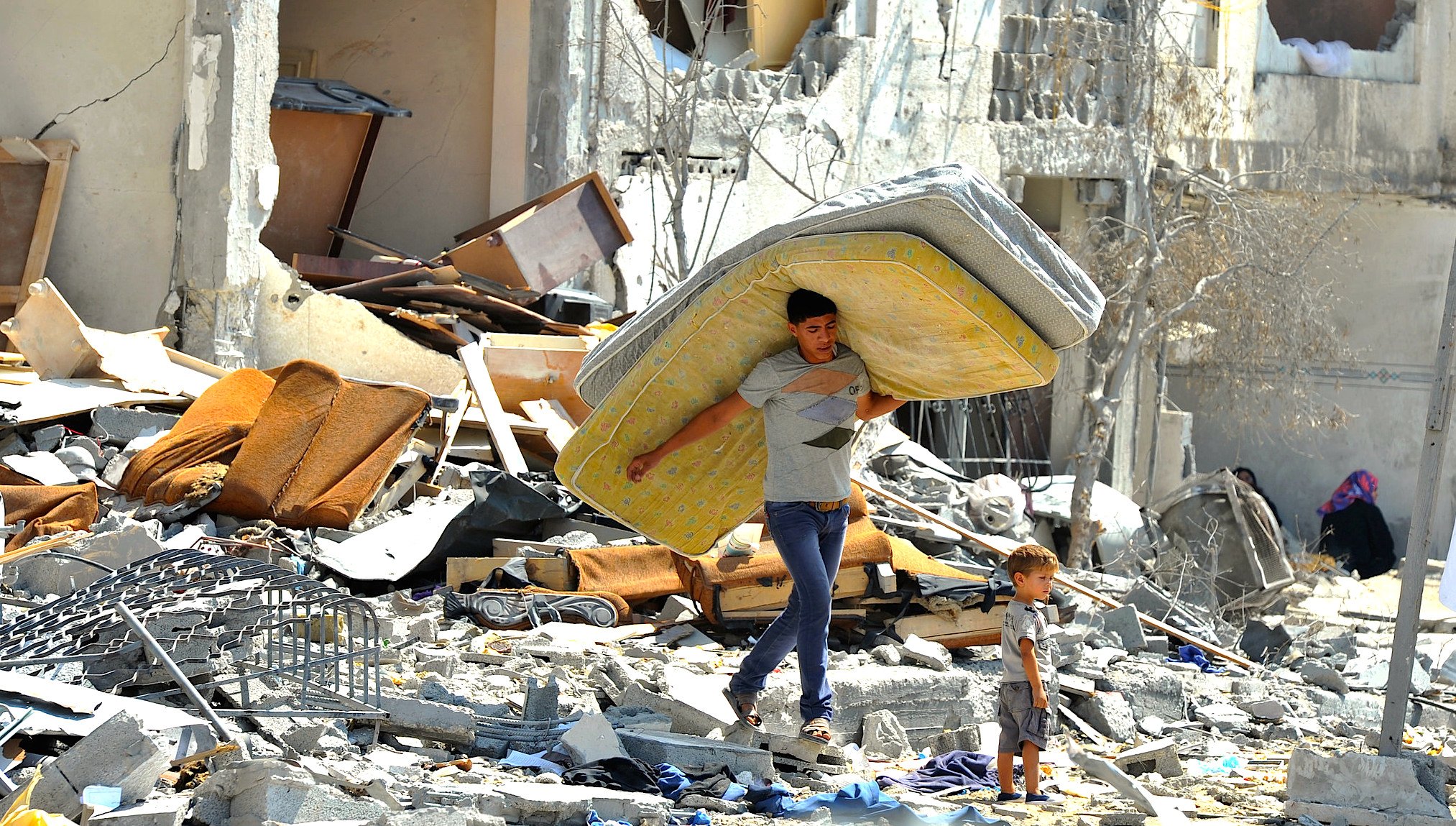
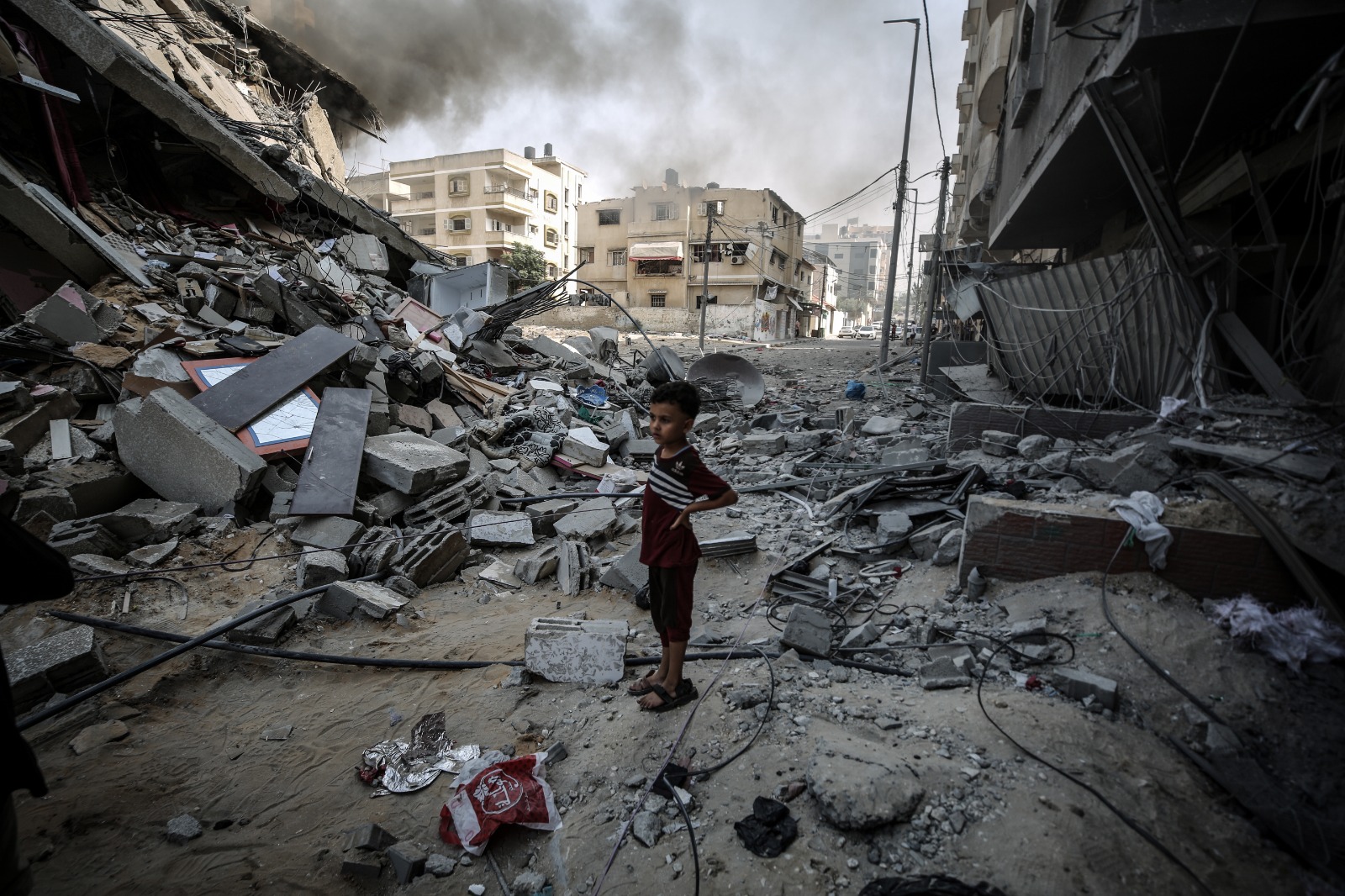
As prime minister Benjamin Netanyahu continues the genocide in Gaza, hollowing out international law amid a so-called “ceasefire”, EU leaders have remained paralysed.
Warnings of continuing humanitarian suffering continue to be ignored even as former EU ambassadors and senior officials argue that tougher action against Israel is needed “to reestablish the Union’s reputation as a force for peace and good”.
In contrast, the EU’s foes – defined today as Russia and China - are treated with moral absolutism.
Framed through a singular lens of aggression and repression they are afforded minimal official space for differentiation or dialogue. The Fire Horse, however, may disrupt this tidy binary.
As Washington dials back confrontation with China and Canada’s Mark Carney and Britain’s Keir Starmer also signal more pragmatic engagement, the EU will inevitably have to review its hawkish view of Beijing as an all-time “systemic rival”.
Similarly, while Moscow’s aggression against Ukraine rightly dominates the EU’s official discourse, fears of a US-Russia deal on Ukraine have prompted Macron and Italy’s Georgia Meloni to suggest direct EU talks with Moscow.
Africa, meanwhile, remains indispensable — but largely on European terms.
The EU’s updated language of partnership appears to be little more than a convenient smokescreen for better access to Africa’s critical raw materials, strengthened migration deterrence cooperation and showcasing the Global Gateway.
Slow and painful awakening
And yet, something is shifting and will continue to shift.
The new EU narrative on India reflects a modesty, pragmatism and flexibility that has long absent from its dealings with the Global South.
The unhelpful habit of dividing the world into democracies and autocracies is fading, replaced by a grudging acknowledgement that the EU is a middle-sized power which must work harder to find its place in a multipolar world.
Slowly and painfully, the EU is learning to adjust to a harsher and more transactional, Trumpian world.
Adjustment, however, is not enough. The Year of the Fire Horse also demands a transformation of outdated EU mindsets.
And that road is going to be long and challenging.
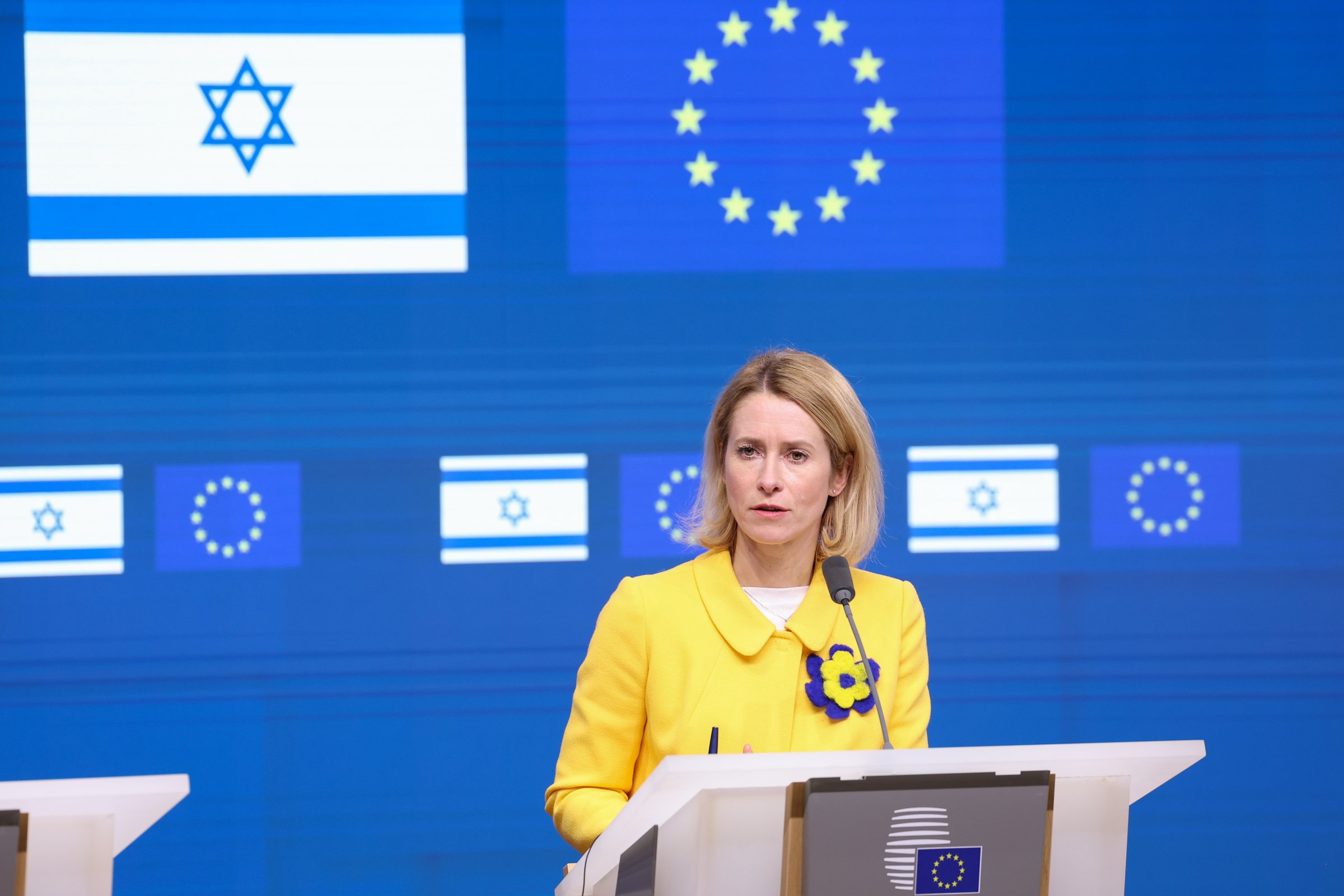
 EU commission see ‘no overriding public interest’ to release secret Gaza reports, on day UN calls out genocide
 Shada Islam