Veronika Munk is an award-winning Hungarian journalist with more than 20 years of experience. She works as director of innovations and new markets at Denník N, the leading independent Slovak news outlet, which also has Czech and Hungarian language versions. Prior to her current role, Veronika held various senior positions at several other leading Hungarian independent news outlets. She was the founding editor-in-chief of the Hungarian independent online daily news outlet Telex, and before that, she was deputy editor-in-chief at Index, Hungary’s largest online daily news outlet. Veronika has a PhD in media studies and teaches journalism courses at ELTE University, the largest Hungarian university.
Among many other changes, Hungarians are about to find out which newsrooms can actually survive without state money – as a massive change within the public broadcast system is now underway.
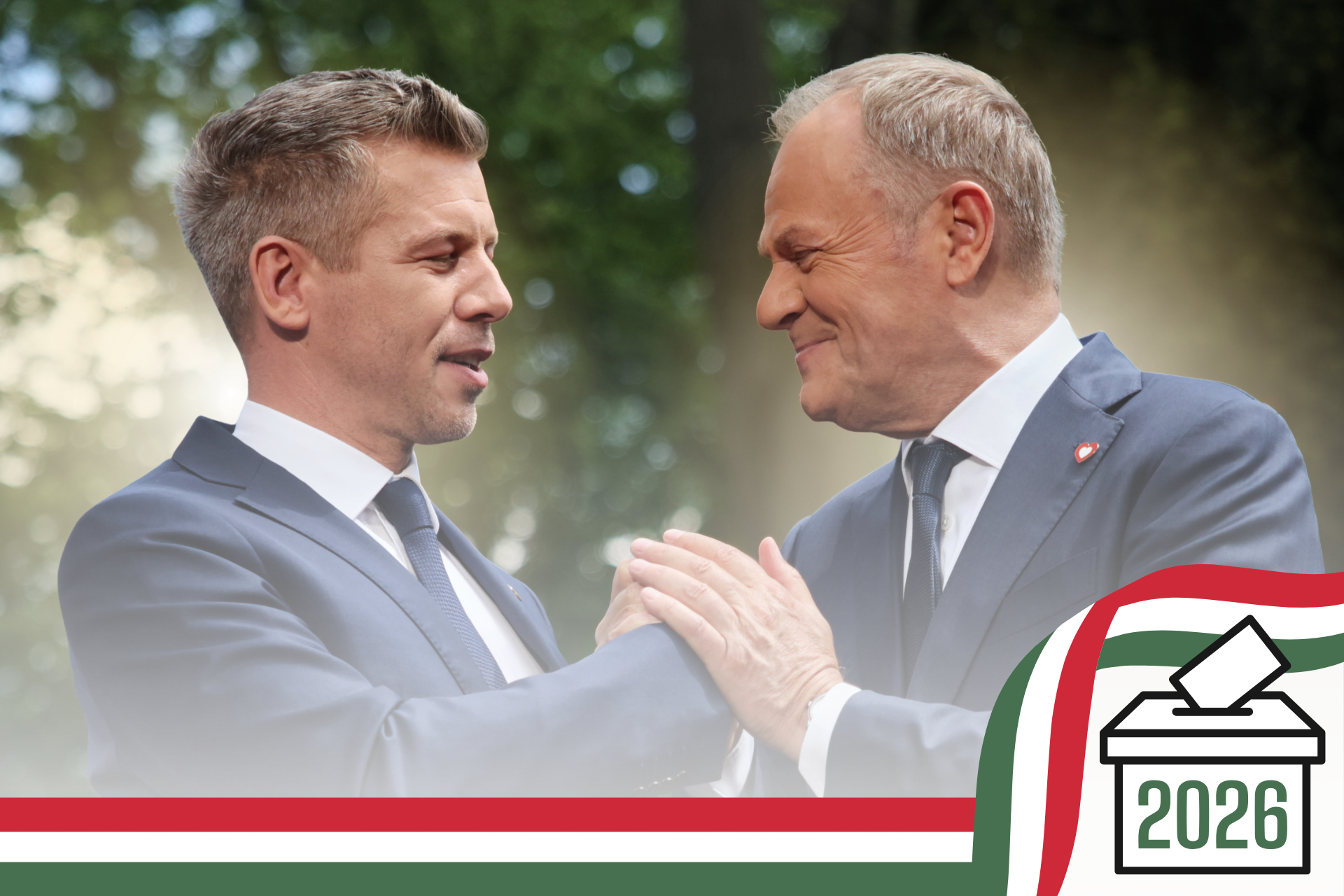
As Péter Magyar distances himself from Orbán’s hard line by backing Ukraine’s EU bid and courting Western leaders, he is betting that minority guarantees and a softer tone can restore Hungary’s clout in the EU’s power game.
Viktor Orbán’s allies cried foul, after Tisza proposed a new limit of eight years for Hungarian PMs – to be imposed retrospectively. Meanwhile, more classified documents were published in the scandal relating to a previous pardon for paedophile, which helped bring down Fidesz last month, and further moves to dismantle the former regime’s grip on Hungary’s universities.
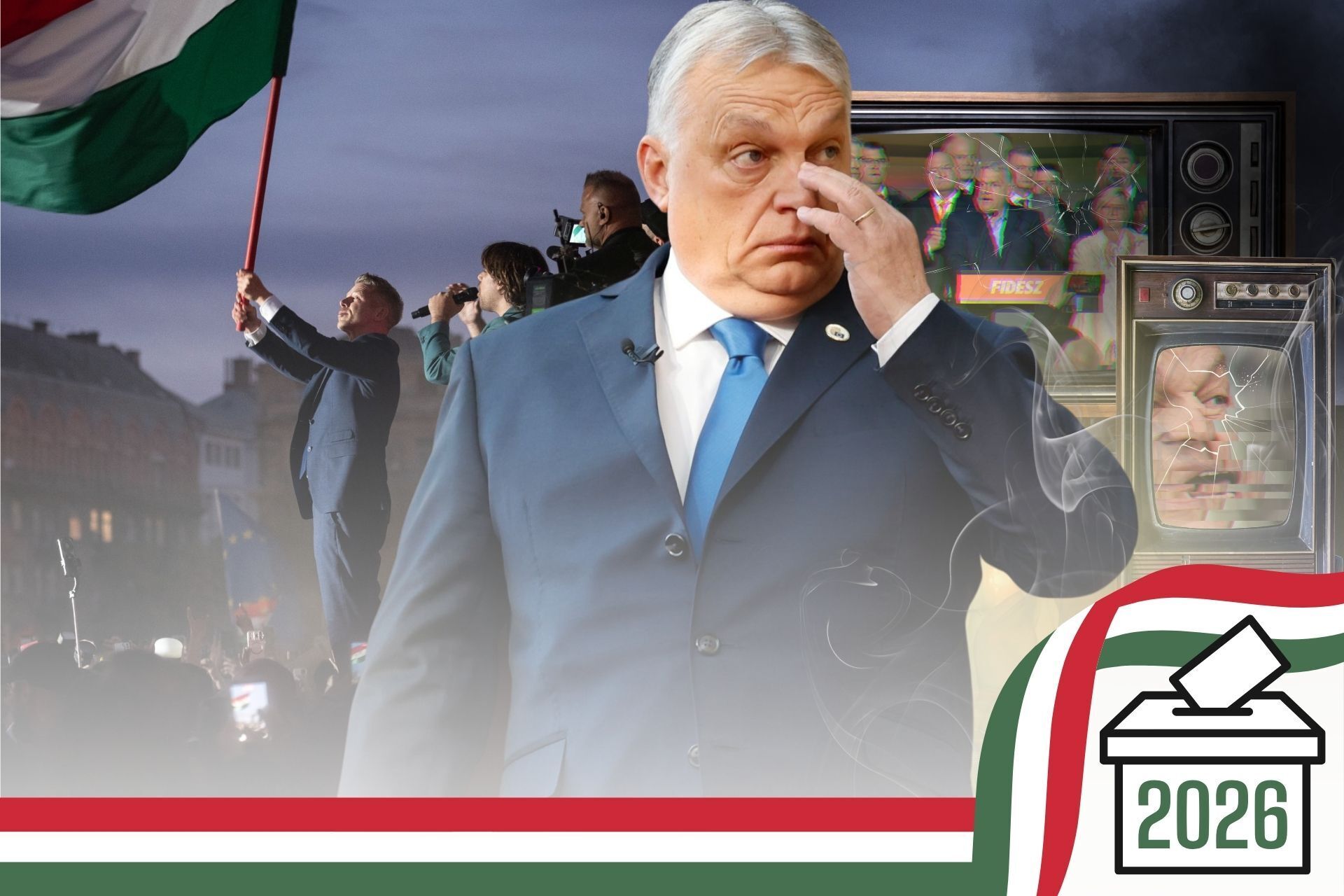
Less than a month after the historic defeat of Viktor Orban, events are moving at speed. A billionaire backer of the propaganda ministry breaks down in tears on television, 65 percent of polled Hungarians think Orban should be on trial, an Orban-supporting news programme closes, plus a clash of parties celebrating the new parliament in Budapest.
In this week’s digest of Hungarian politics after the election: foreign minister Péter Szijjártó breaks his silence to give a three-hour TV interview, where he claims he doesn’t know how his oldest friend got €718,000 from the foreign ministry, or his own wife €15,000 of jewellery. Meanwhile, suspicions over €20m in state jackpot payouts, new Tisza cabinet appointments, and an investigation into the Hungarian National Bank.
In just four days, Peter Magyar has already taken aim at state media structures, criticised senior institutional figures, and signalled a symbolic break with the past by relocating the prime minister’s office away from Viktor Orbán’s former power base, while the opposition has largely collapsed and the political map has been dramatically redrawn. Yet despite promises to restore democratic competition, early indications point to continuity in several nationalist policy areas, leaving Brussels watching closely to see whether Hungary’s reset will bring a meaningful shift in its EU stance or simply usher in a new domestic power configuration.
A rare, unscripted moment pierced Hungary’s tightly controlled political landscape on election day, when I found myself face-to-face with a senior Orbán minister in a polling queue.
With three days to go before Hungary’s election, the opposition Tisza party is riding high in the final independent polls, while leaked recordings, allegations of false-flag tactics and a high-profile visit by JD Vance intensify the sense of a system under strain. Whether this is the beginning of an historic transfer of power or the moment the pollsters get it spectacularly wrong will soon be clear.
With less than two weeks to go to Viktor Orbán make-or-break election, increasingly paranoid accusations of spying for Ukraine against opponents, muscled strongmen disrupting protestors who heckle the PM on his rare nationwide campaign rally, and a visibly angry Orbán tells young opponent of his regime to ‘say thank you’.
With just over three weeks to go, a literal ‘false flag’ operation at a Tisza rally, a potential JD Vance (but not Donald Trump) visit, some suspect candidates name-changing to confuse voters, and the latest opinion polling.
In our regular digest of the week’s news from the Hungarian campaign trail: latest opinion polls, a Hungarian delegation to Ukraine to inspect the damaged Russian oil pipeline, claims Kremlin-approved Russian disinfo is amplifying Fidesz campaign messaging, Hollywood star Mark Ruffalo calls on Hungarians to free themselves from Orban, and physical attacks on independent journalists.
In our regular digest of the week’s news from the Hungarian campaign trail: conflicting opinion polls, soldiers on the streets (due to the Ukrainian ‘threat’), and a simple ‘how-to’ guide to the voting process.
This week, in our digest of the Hungarian campaign trail to the April election: the opposition Tisza’s election manifesto, a potential government cover-up, a sex-smear video, and Marco Rubio in Budapest.
Our ongoing week-by-week debrief by award-winning journalist Veronika Munk, explaining the most important political developments in Hungary in the run-up to the crunch April election.
Journalist Veronika Munk reviews Hungary’s political developments on the road to the April election, from the latest opinion polls and Fidesz’s reshuffled slate of 106 candidates, to campaign mishaps over a hijacked slogan domain, a growing diplomatic row between Péter Magyar and Slovakia, and fresh regional tensions after Hungary granted political asylum to former Polish government officials.
Journalist Veronika Munk reviews Hungary’s political developments on the road to the April election, from campaign infighting and Viktor Orbán’s press limits to new Budapest candidates, the Beneš decrees row with Slovakia, the government’s U-turn on Venezuela, and the death of Hungarian filmmaker Béla Tarr.
 Veronika Munk