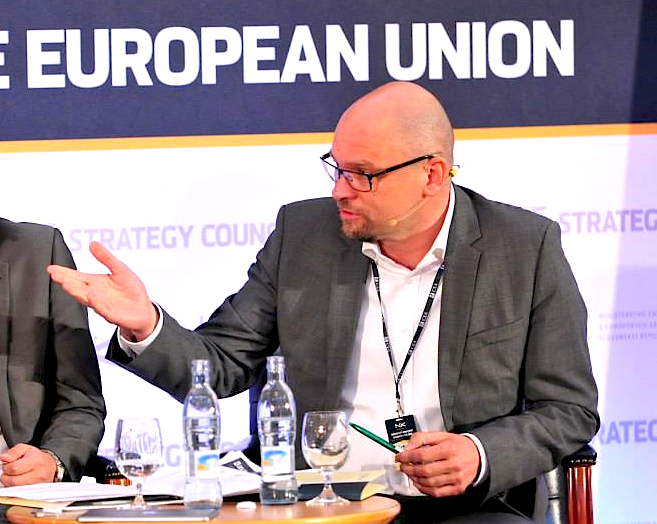
Slovak Liberals unsure of EP group
Slovak liberals are weighing up whether to stick with the Liberal group in the European Parliament or try their luck with the anti-federalist ECR.
Slovak liberals are weighing up whether to stick with the Liberal group in the European Parliament or try their luck with the anti-federalist ECR.
Slovakia is set to rewrite the record books of EU elections again, with unofficial turnout figures suggesting that just some 13 percent of people cared to vote.

Mock elections saw high-school students in Slovakia cast 11 percent of their votes for the extreme nationalist party, Our Slovakia.

The Slovak National Party is exploring cooperation with Le Pen’s National Front in the next EP.
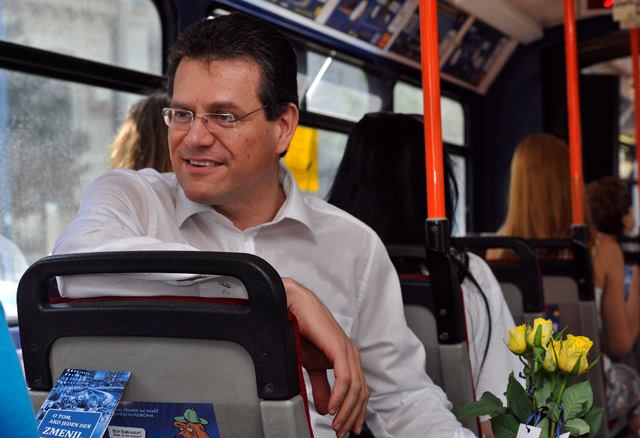
Slovakia’s ruling party has said it will try to boost the democratic legitimacy of the EU executive by sending the country’s current commissioner to campaign in the upcoming European elections.
Divisive presidential elections are set to sap voters’ energy ahead of the EU vote. Still, some parties are using the eurosceptic ticket for the first time.
Hours before the Slovak parliament votes on greater powers for the eurozone’s bail-out fund, the country’s Prime Minister Iveta Radicova has decided to put her job on the line over the decision.
Plans to beef up the eurozone’s bail-out fund are being put in jeopardy by Slovakia, where a coalition stalemate has prompted the government to consider seeking a special derogation.
Slovakia, which joined the eurozone in 2009, should have a ‘plan B’ to return to its national currency, the country’s parliamentary speaker, Richard Sulik, has said, amid frustration over the way the eurozone is handling the debt crisis.
The debt-ridden eurozone risks break-up unless it forces banks to eventually share the crisis bill with taxpayers, Slovakia, the euro area member who recently refused to participate in the Greek bail-out, has suggested.
The emerging new leadership in Slovakia has said the country will not contribute its share of the €110 billion rescue package for Greece. In addition, Bratislava is likely not to add its signature to the €750 billion eurozone support mechanism – something that could put the entire project on ice.
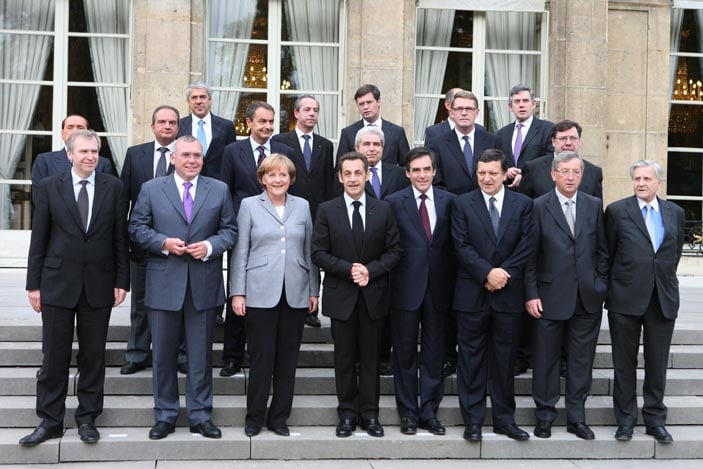
Greece has come closer to receiving the first tranche of a €110 billion loan as Germany, the Netherlands and Portugal approved their countries’ contribution to an unprecedented rescue operation. Slovakia has meanwhile softened its stance, with the finance minister set to add his signature to a so-called inter-creditor agreement.
As the Greek government awaits the first tranche of a €110 billion rescue loan, its socialist counterpart in Slovakia has said it will not immediately contribute its share, citing doubts over Athens’ ability to push ahead with necessary reforms.
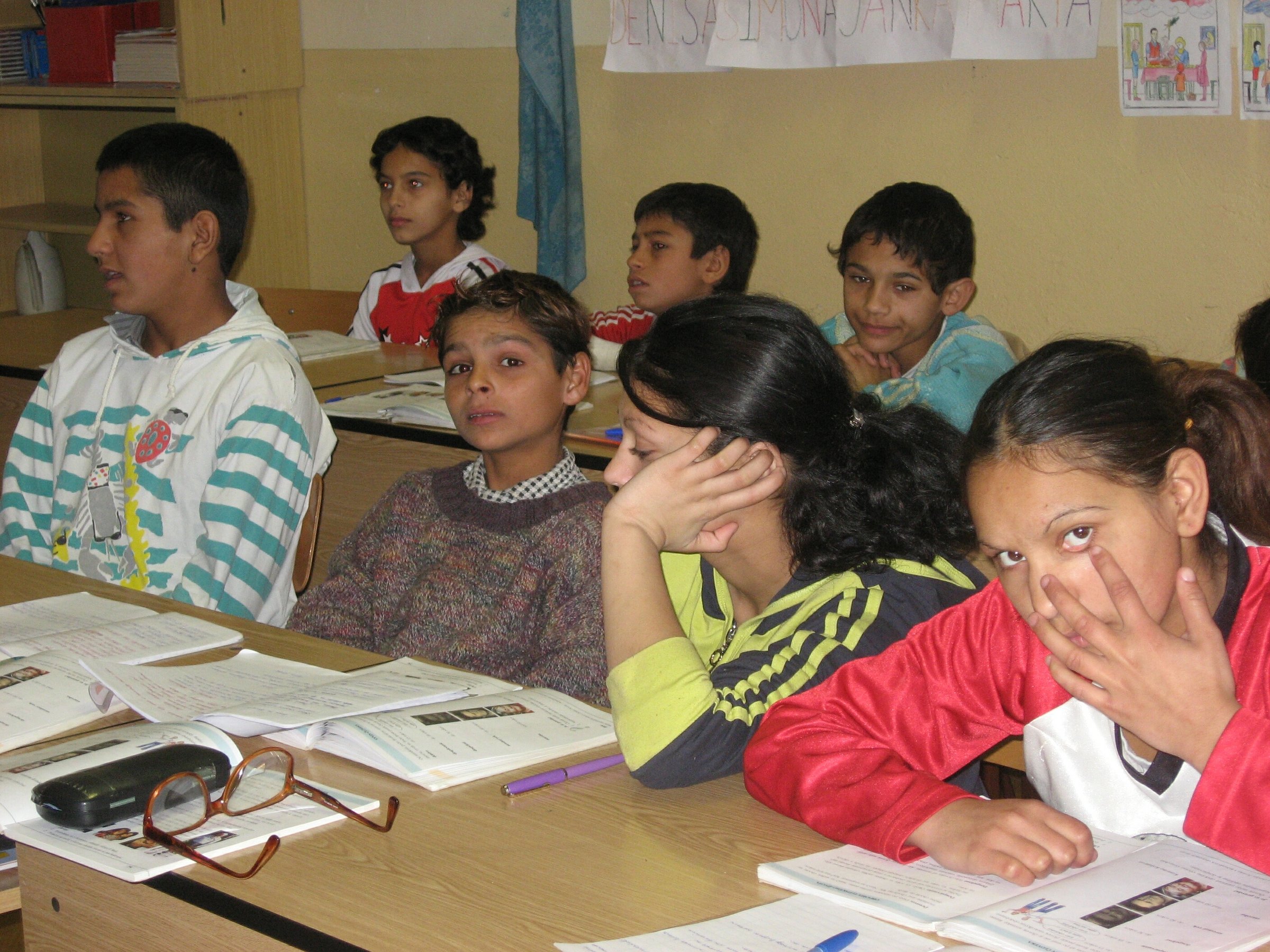
The European Commission has warned that proposals to setting-up boarding schools for Roma children in Slovakia – floated by the country’s top politician – should not lead to further segregation of an already marginalised ethnic group.
After a decade of the EU’s failed efforts to become the world’s most dynamic knowledge-based economy, Brussels is laying down a fresh economic vision based on innovation, education and digital technologies. But some eastern member states, such as Slovakia and Poland are concerned about where the money will come from.
A fresh row between Russia and Ukraine over energy shipment fees – fast becoming something of a New Year’s tradition – has caused alarm in the European Union, as Moscow warned of possible oil supply cuts to central Europe.
Slovenia’s capital, Ljubljana has been selected to house the union’s Agency for the Cooperation of Energy Regulators (ACER), designed to boost the idea of a single European market in electricity and gas.
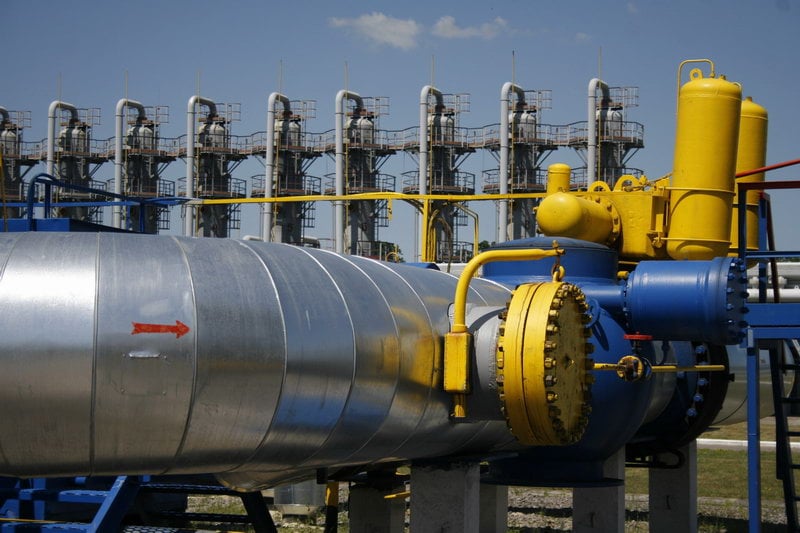
The European Union and Russia on Monday signed an early warning agreement designed to prevent sudden energy cut-offs. But the Slovak Prime Minister, after separate talks in Moscow, said a fresh gas crisis is lurking round the corner.
Influential. Investigative. Independent. EUobserver is a online non-profit news outlet reporting on the European Union.
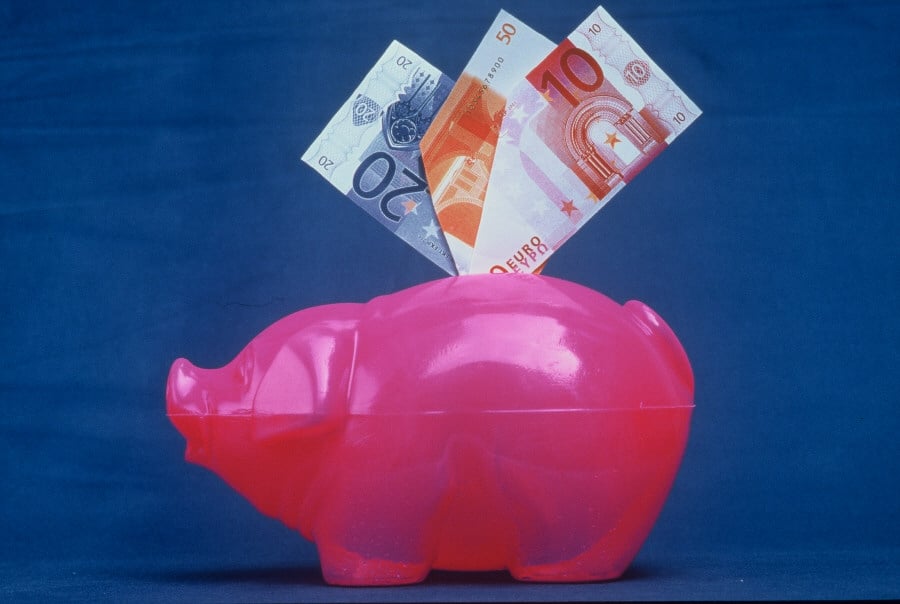
European capitals are likely to continue running high deficits in 2010, but the following year should see a “very substantial” reduction in countries’ debt burden, the European Commission has suggested in a strategy document for EU finance ministers.