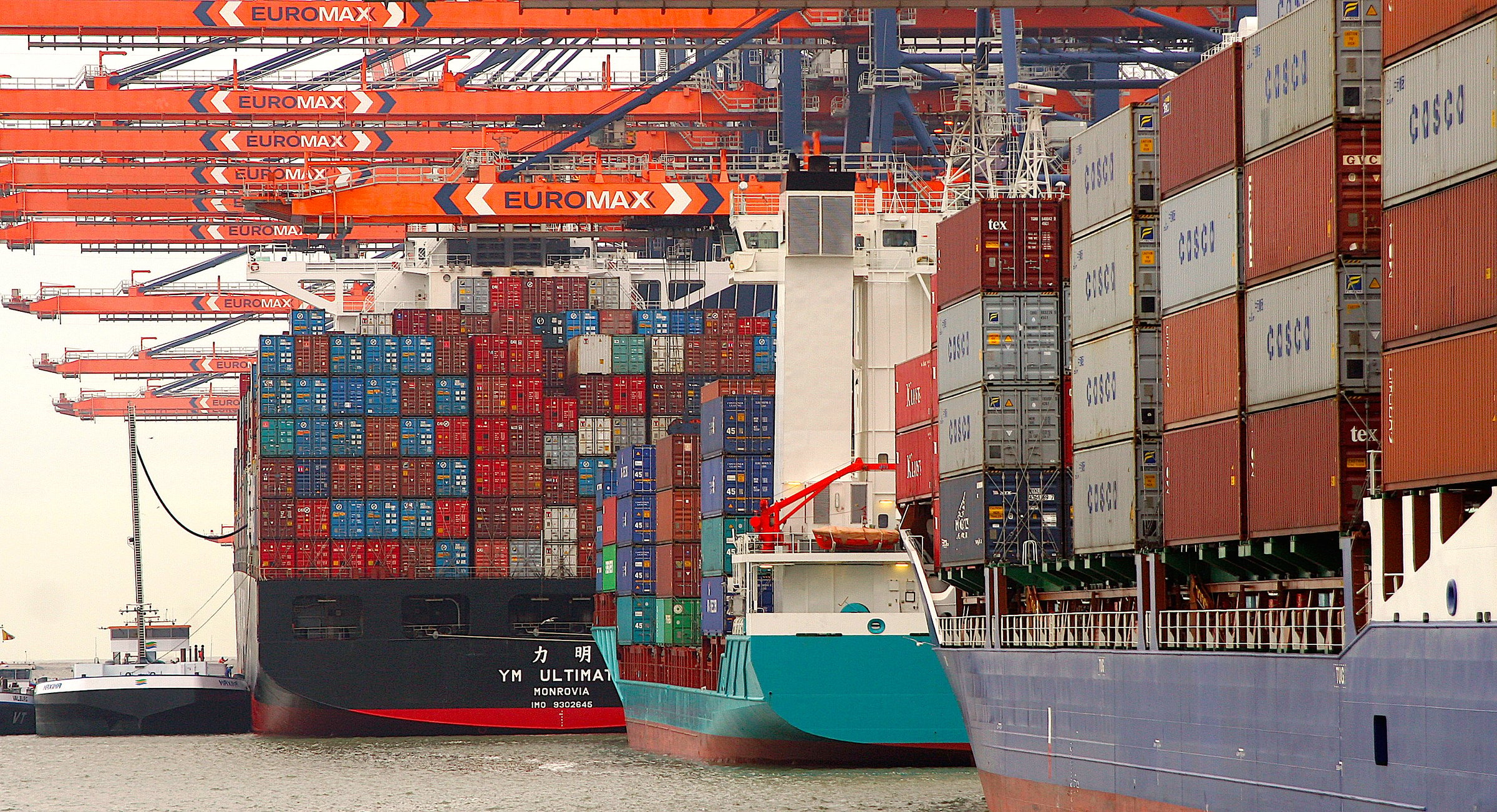
The international governing bodies for shipping and aviation have both set net-zero targets for 2050, so the industry commitment to decarbonise is there.
The International Maritime Organization (IMO) finally introduced this in July.
But we have still seen little in the way of tangible action.
It is unsurprising that the question of how to decarbonise shipping dominated at London International Shipping Week last week, and will be sure to continue at this week’s European Shipping Summit.
We have got the building blocks of what needs to be done in place. We can increase efficiency in both sectors, utilise technologies such as wind propulsion, and directly electrify the shortest journeys.
However, to go beyond incremental change, both sectors need to find alternative fuels to replace fossil fuels — and we urgently need regulation to drive this transition.
Sadly, as of now, the EU is lagging behind where it needs to be, and the production of these alternative fuels is also trailing behind the required pace.
![[Interview] ‘Some of the resistance comes from people fearing they’ll end up without a job,’ says industry expert on Europe’s slow electrification](https://static.euobserver.com/2026/07/anja-van-de-gronde-PY7r5dJ_v-Y-unsplash-2400x1602.jpg)