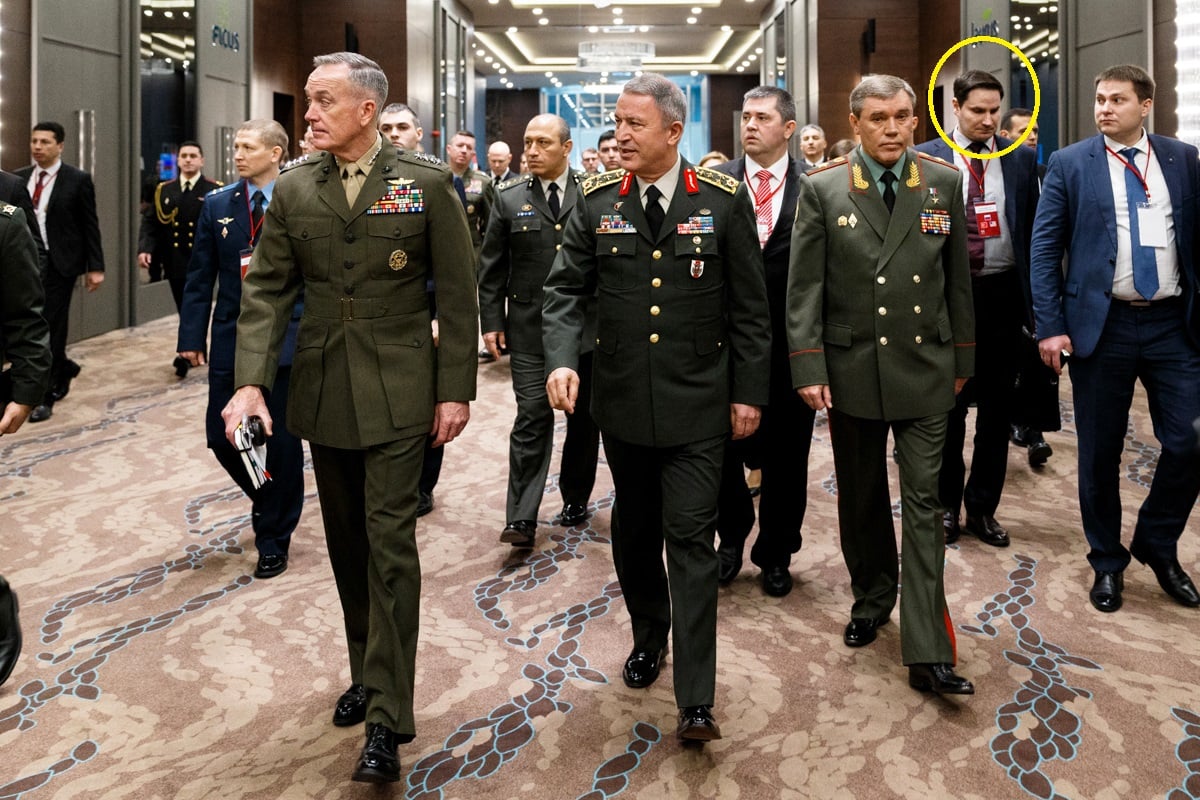
A lieutenant colonel with top-level Kremlin links, a spy-catcher, and a Big Data specialist – the identities of eight Russians recently expelled by Nato give clues to why Moscow reacted so harshly and what its operatives were doing.
The eight people who Russia said were “diplomats” at its embassy to the Nato HQ in Brussels were in fact “undeclared intelligence officers” conducting “activities not in line with their accreditation”, Nato secretary general Jens Stoltenberg said while announcing the expulsions last October.
Nato never publicly named them, meaning they could quietly go home and be posted to other, non-Nato state locations under diplomatic cover.
But Russia subsequently closed its whole Nato embassy.
Its reaction was seen as an attempt to belittle the Western alliance, even as Russia and Nato prepare to hold talks on Russia’s threat of a new war against Ukraine later this week.
But the high-level connections of some of those whom Stoltenberg sent packing indicated the Kremlin’s tantrum might have had a personal dimension.
They showed the importance of Nato’s HQ as a target in Russia’s eyes.


 What went wrong? Russian missile attack on open-air weapons exhibition exposes catalogue of errors (Ukraine Battlefield update, Day 1,615)
 Andrew Rettman