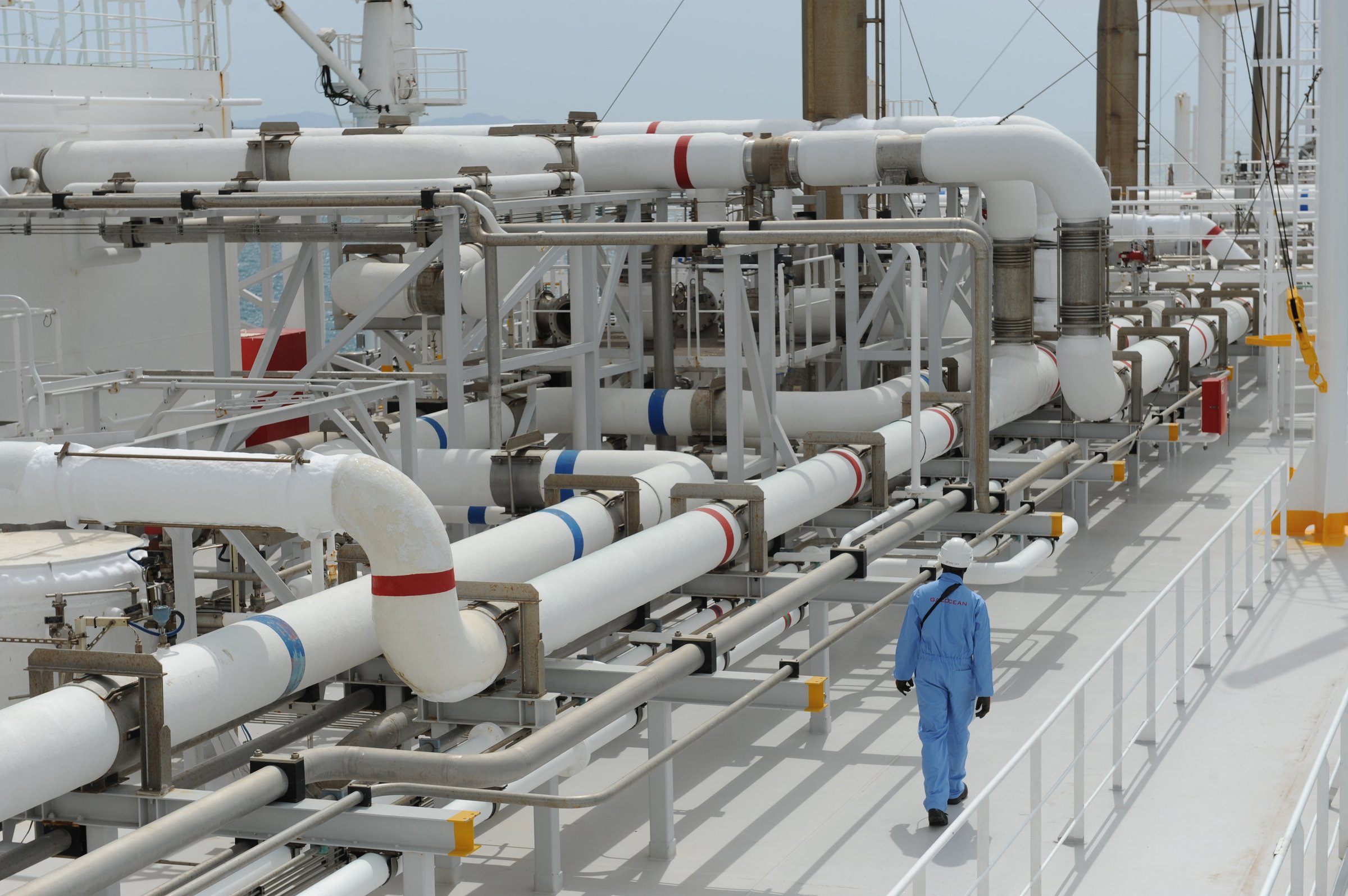
Hitting EU targets for heat pumps, solar and wind could slash gas demand by roughly a quarter by 2030 — a saving twice the size of the LNG volumes Qatar could potentially supply to Europe by then, according to new analysis by the think-tank Institute for Energy Economics and Financial Analysis (IEEFA).
Boosting the continent’s resilience by mitigating energy supply risks is of strategic importance as escalating tensions in the Middle East and disruption to energy exports through the Strait of Hormuz affect the EU.
For Ana Maria Jaller-Makarewicz, lead energy analyst for Europe at IEEFA, relying on “uncertain” and “expensive” deliveries of LNG (liquefied natural gas) from countries like Qatar is not a secure plan for the EU.
LNG supplies to Europe from Qatar and other Gulf producers rely on a patchwork of long-term bilateral contracts, which experts warn carry a double risk: locking Europe into decades of fossil-fuel use despite falling gas demand, while providing less supply and price certainty than promised, as buyers remain exposed to volatile global markets and uncertain long-term demand for the gas they have committed to purchase.
“The Strait of Hormuz crisis shows why Europe can’t afford to continue betting on imported fossil fuels,” said Makarewicz.
Gas consumption declined by 20 percent between 2021 and 2024, with the rapid growth of renewables as one of the main drivers of this change.
“Clean energy technologies are already solving this problem. Every heat pump, solar panel and wind turbine installed shields Europe from the next crisis,” Makarewicz said.
The European Commission presented earlier this month (17 July) the Electrification Action Plan. With an electrification target of 46 percent by 2040.
Today, 70 percent of EU electricity is generated from homegrown clean energy sources, these include solar power, wind energy, hydroelectric power, geothermal energy, and local biomass. However the electrification rate of energy demand has stalled at 23 percent over the past decade.
EU’s LNG dependence
The Russian attack on Ukraine in 2022 led to an 84-percent increase in EU imports of liquefied natural gas (LNG) when they reached a record high between 2021 and 2025, said IEEFA.

 Crystal ball: EU will do nothing about Israel on Monday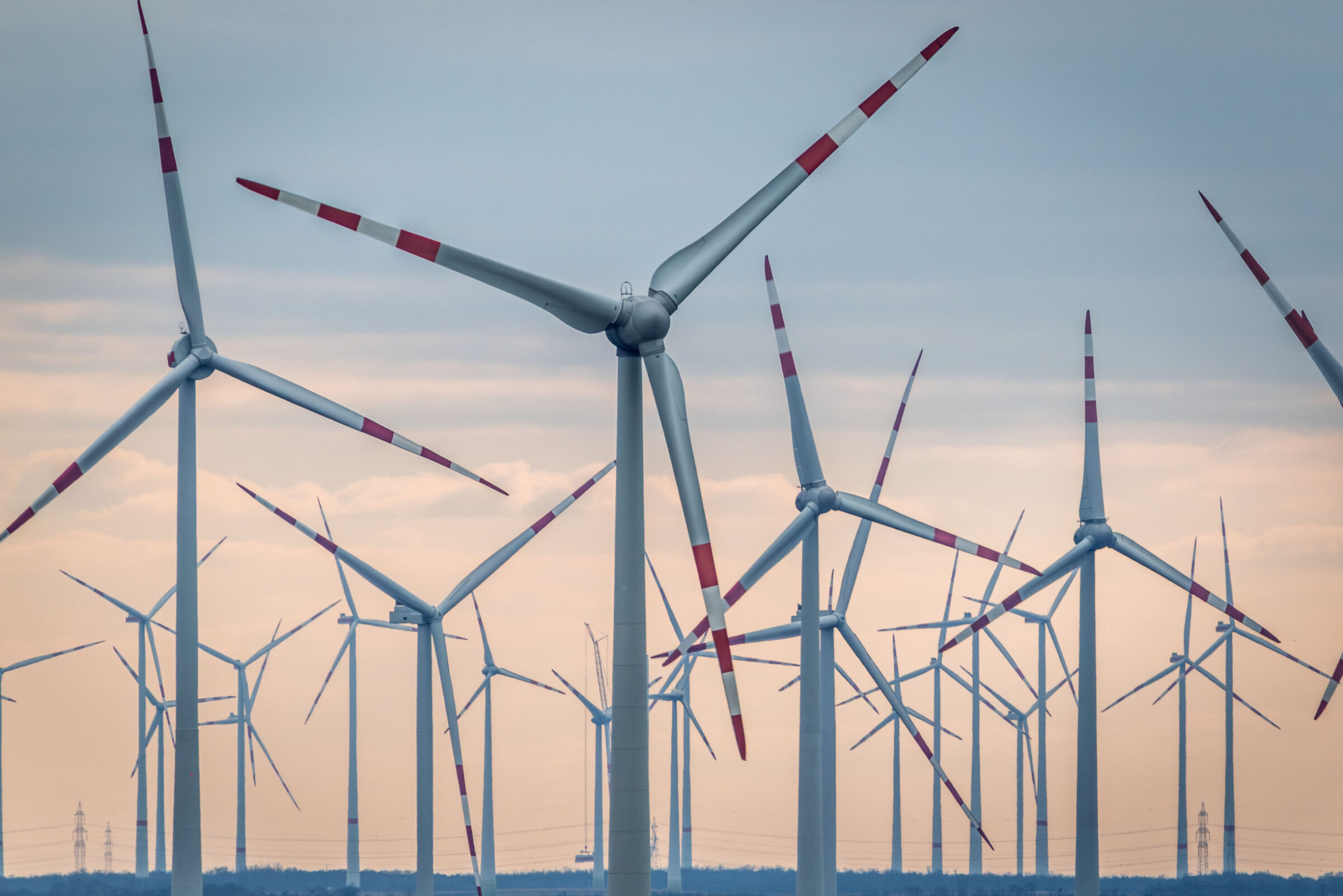
 What went wrong? Russian missile attack on open-air weapons exhibition exposes catalogue of errors (Ukraine Battlefield update, Day 1,615)
 Petra Pavlovičová