 Scottish and Welsh elections will reveal pro-EU feeling in UK
Next month two elections take place on the far north-western fringe of Europe that may, in a small way, shape the future size of the EU.
Both countries are, currently, non-EU members. Both have populations keen on membership. Both would fit the accession criteria, with very few teething problems.
And that’s because they were both ‘members’ of the EU until six years ago.
They are Scotland and Wales.
(Okay, they weren’t members in their own right, as independent member states, but as constituent parts of the United Kingdom.)
The Scottish people voted by 62 to 38 percent in the 2016 Brexit referendum to remain in the EU, and were taken out of the bloc effectively against their consent.
In Wales, there was a narrow win for Leave, at 52.5 to 47.5 percent.
Under the radar of some in Brussels, opinion polling for the parliaments in both Edinburgh and Cardiff are now led by ‘nationalist’ (in the sense of wanting independence from the UK, rather than rightwing nationalist) parties.
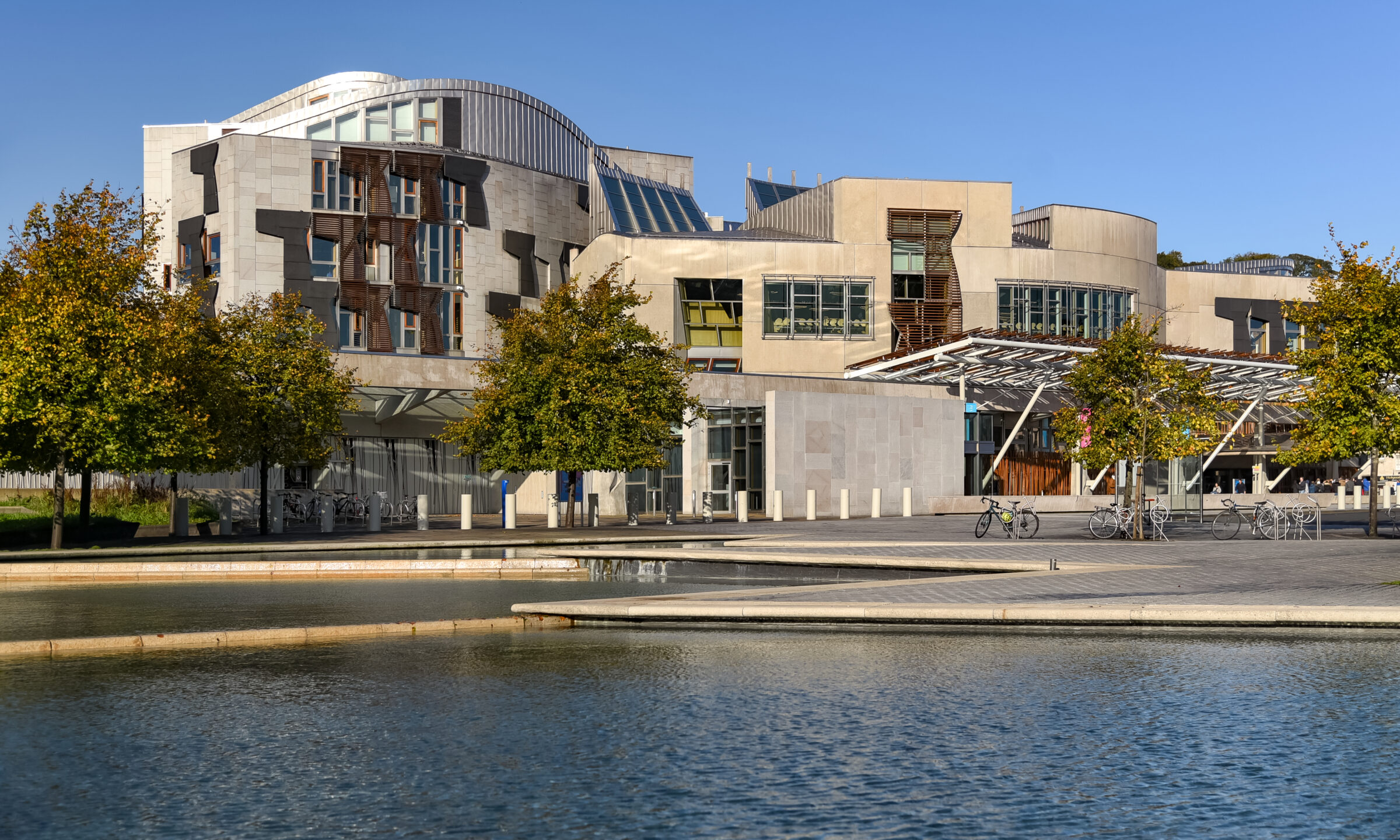
In the larger of the two, Scotland (population: 5.5 million), the Scottish National Party (SNP) is head-and-shoulders in front of the other parties in the race for the 7 May election to the Scottish Parliament (sometimes known as Holyrood, where the building is located).
There are 129 seats up for grabs. The SNP currently enjoy a double-digit poll lead of 15-20 percent over Labour and Nigel Farage’s Reform, with the SNP on 35-40 percent, and those two parties trailing on around 15-20 percent.
The SNP launch their Holyrood manifesto later on Thursday (16 April), so it’s impossible to say in advance what their specific policy for this election will be on EU membership. But it’s pretty easy to guess the tenor from the statement of policies on their website:
“We are clear that a Scottish Government continuing with the SNP would apply to join the EU as soon as possible after independence.”
In the meantime, the SNP want an immediate rejoining of the EU customs union and single market.
In Cardiff, 96 seats are up for grabs, for a Welsh population of some 3.2 million.
Here, again, the ‘nationalists’ (those seeking independence from London) are in the ascendency, although by a narrower margin.
Plaid Cymru [the Party of Wales] enjoy a slender lead of three to five percent, although at times individual polls have given arch-Brexiteer Nigel Farage’s Reform or the ruling centre-left Labour party a slight edge. However, the bigger the sample size, the bigger the Plaid lead.
In some ways, this is more remarkable.
The SNP have ruled Holyrood for more than 20 years, despite an increasingly patchy domestic record on health, education, and drug deaths. In Wales, no one but Labour has ever held power in the near-30 year history of the parliament.
Plaid have already published their manifesto. Given that Welsh independence is a much further-off prospect than Scotland’s, their call is to “continue to make the case that the UK should urgently seek to rejoin both the single market and customs union.”
Small beginnings, early days.
But the fact remains that, come Friday 8 May, Scotland and Wales may be run by governments who want to rejoin the single market and customs union.
They would stand alongside a Labour government in London led by prime minister Keir Starmer, whose grassroots members, and nearly all of its 403 MPs, also want to rejoin the single market and customs club.
And they would have public backing for a ‘United’ Kingdom-approach, given that the latest opinion polling (in February 2026) showed 64 percent of people would vote to go even further, by rejoining the EU itself.






 Matt Tempest