Production: By Europod, in co-production with Sphera Network.
EUobserver is proud to have an editorial partnership with Europod to co-publish the podcast series “Briefed” hosted by Léa Marchal. The podcast is available on all major platforms.
You can find the transcript here if you prefer reading:
Ukraine will soon run out of money.
Four years into the war, Ukraine faces a serious funding issue. The EU has promised a €90bn loan, but it is currently blocked by Hungary.
Will the rest of the EU manage to convince Viktor Orbán to lift its veto?
If there is no oil, there is no EU money.
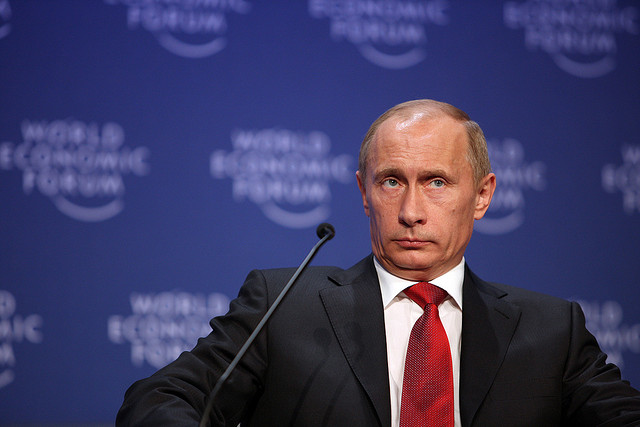
That’s how the Hungarian prime minister Viktor Orbán summed up the issue we have at hand.
Put it another way: Ukraine needs EU money, and Hungary wants Russian oil passing through Ukraine.
And neither is getting any of it now.
Let’s recap:
In December last year, the 27 EU leaders agreed to jointly borrow 90 billion euros to fund a loan to Ukraine over two years. The EU budget would serve as a guarantee for the loan. Member states were then supposed to sign up legally to this. Until Hungary raised its veto.
And this, even though the country, alongside Slovakia and the Czech Republic, is not taking part in the joint borrowing.
Why is he blocking?
Orbán accuses Zelensky of impeding Russian oil from reaching his country.
Since the end of January, the Druzhba pipeline that fuels Russian oil to Hungary and Slovakia, and which passes through Ukraine, was damaged by Russian strikes. And Ukraine is not rushing to repair it.
Is there a solution to this blockade?
Yes, there are.
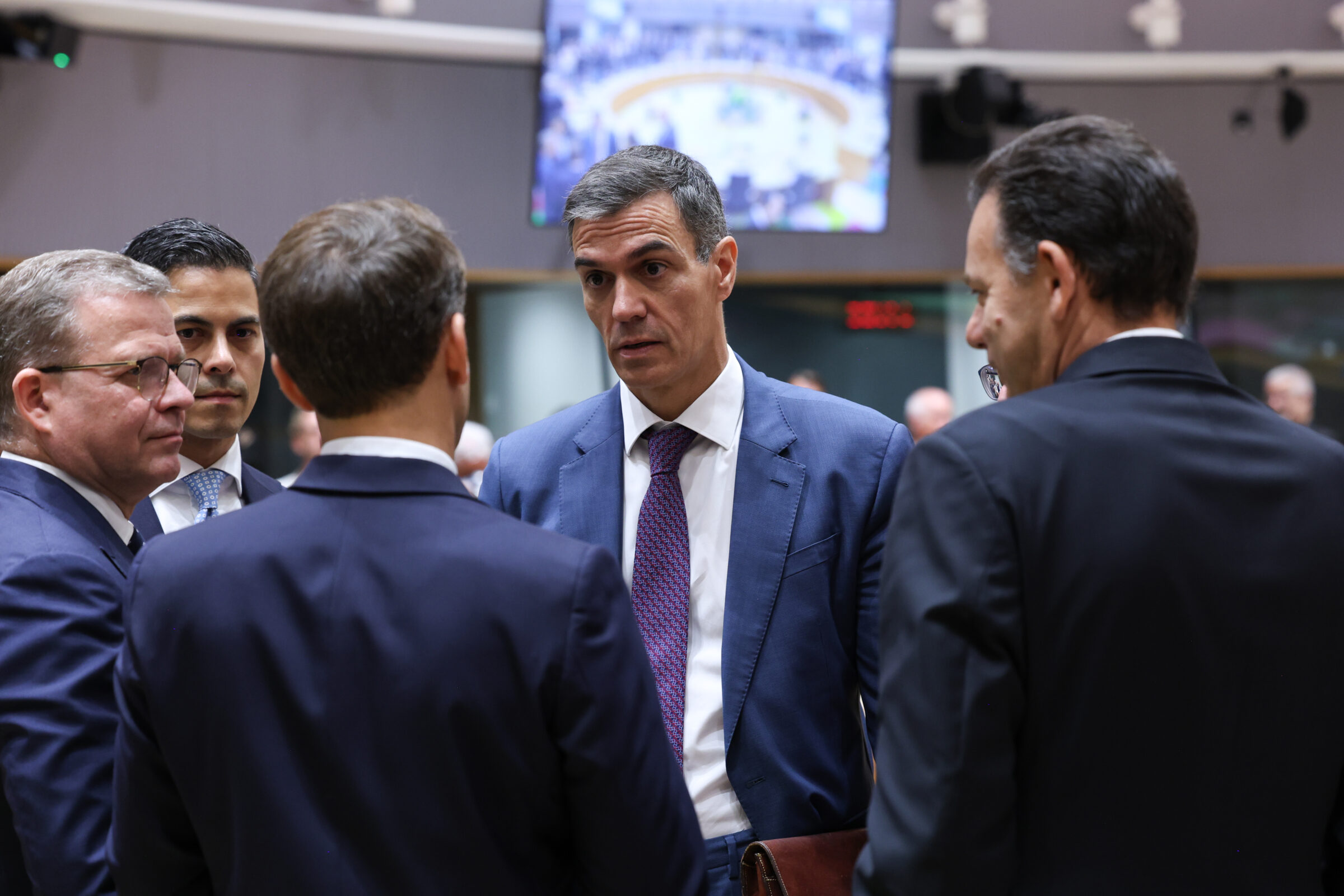
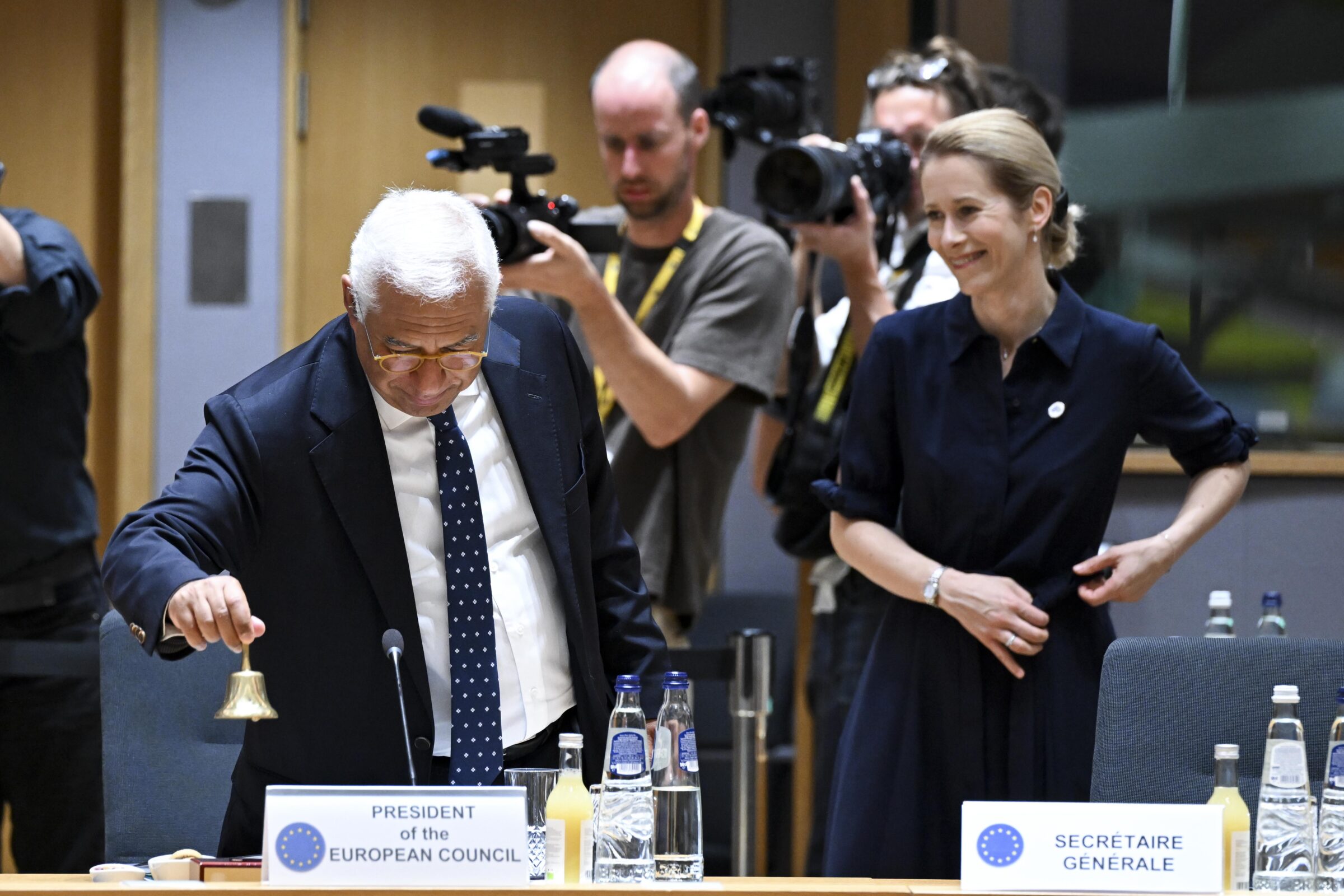
The 27 EU leaders are meeting today, and most of them hope to see Hungary drop the blackmail. Why? Because the EU made an announcement just two days ago to try to reassure Hungary.
The EU offered help to Ukraine to repair the damaged pipeline, with technical support and funding. And Kyiv has accepted the proposition.
According to some EU diplomats, this announcement could do the trick.
Or, Orbán could decide to maintain his veto until the oil flows again, or rather, until the Hungarian parliamentary elections in April, to which he is participating.
Meanwhile, Ukraine desperately needs the money and will not be able to wait long. The resources it produces are mainly channelled to defend the country against Russian aggression. This leaves essential public services at risk.
The country is now functioning thanks to a loan from the International Monetary Fund.
The Ukrainian government has also raised taxes, and another increase is foreseen in the coming weeks.
In case the EU loan would not see the light, the European Commission has worked on other ideas, like having member states provide guarantees individually. This would not require the 27 greenlight, since the EU budget would not be mobilised anymore.
But the borrowed money would never amount to €90bn in that case.
This option is absolutely not favoured by the EU and its member states.
The question remains if, and above all, when, Hungary will lift its veto.
It is actually not the first time that Hungary has blocked the adoption of a decision. It has even become systematic on the topic of Ukraine.
But in all previous cases, a solution has always been found to calm Orban.
For example, he opposed many of the 19 packages of sanctions against Russia adopted since 2022, as well as the financing mechanisms for Ukraine. But each time, the rest of the EU found a way to have him accept the decision. Most of the time, by offering Hungary a kind of opt-out, as is the case for the oil embargo.
To conclude, the problem can still unfold rapidly during the course of the day. As usual, Orbán will hold its position firm until the last minute.
He could as well maintain his veto until the election. But there are only a few weeks left before Hungarians cast their vote.
On that note, if you want to know what is at stake for these elections, you can listen to the episode of Briefed from 18 February.


 What went wrong? Russian missile attack on open-air weapons exhibition exposes catalogue of errors (Ukraine Battlefield update, Day 1,615)