These are bewildering times for democracy.
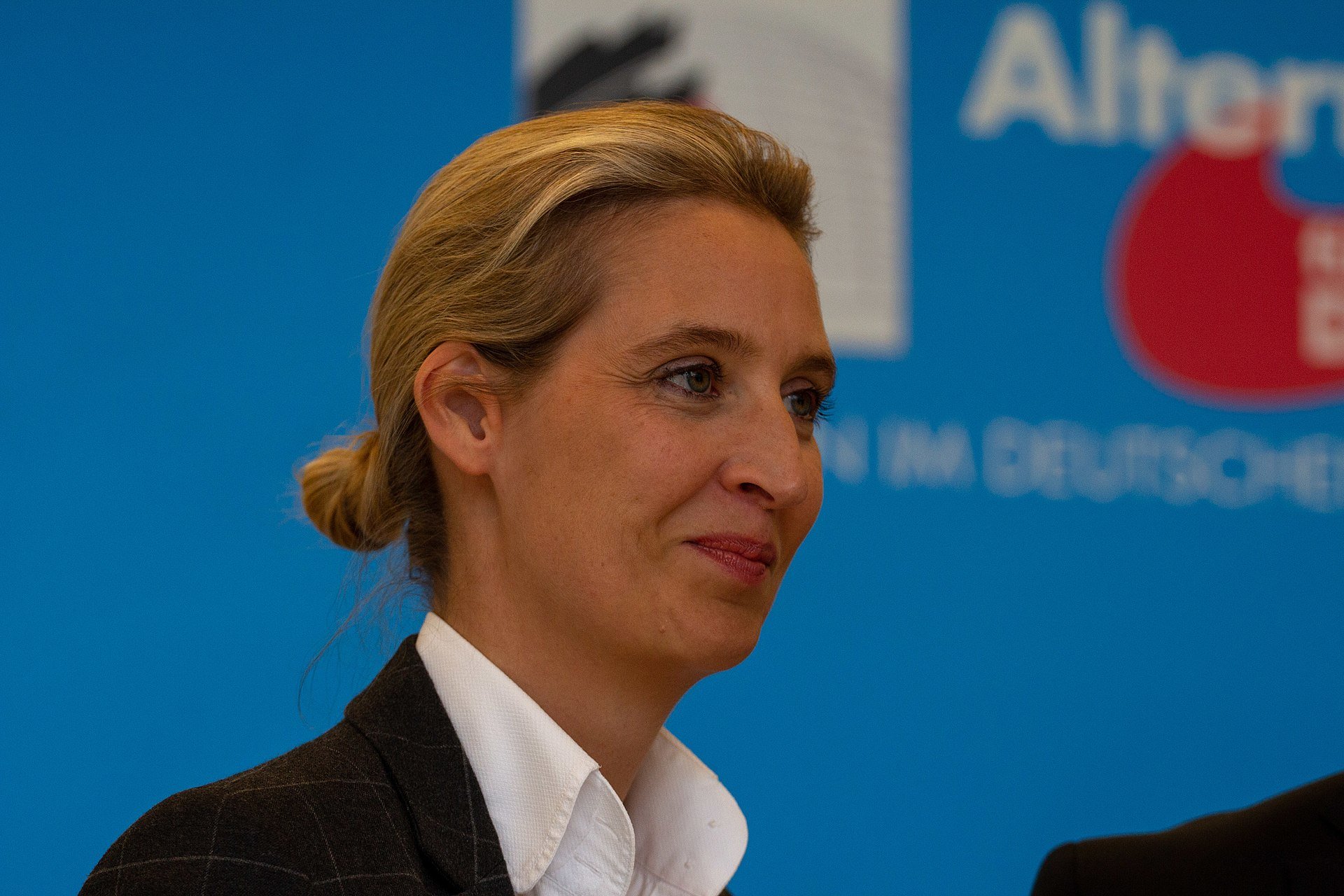
In September, the Alternative for Germany (AfD) could win a majority of seats in the parliament of Sachsen-Anhalt and form the first government in a German state.
It would not only rule a state, but it would gain a foothold in Germany’s federal system, as the Länder [federal states] are deeply entrenched in governing the whole country.
In the US the Trump administration keeps marching to a semi-authoritarian form of government and in Russia the Kremlin fears the upcoming elections – not because it would ever allow free elections, but because in the face of discontent, a rigged election is harder to disguise.
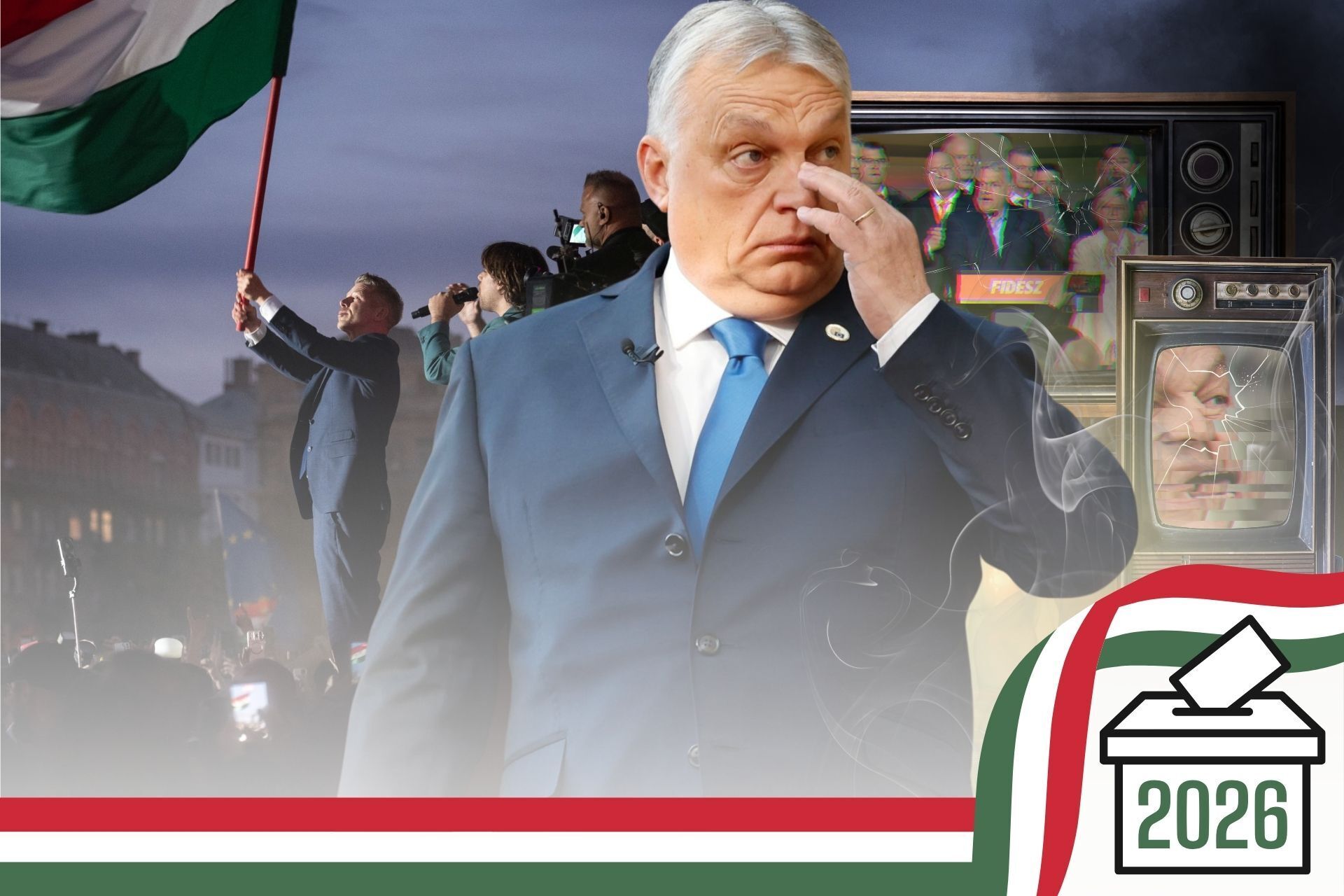
In Hungary, Peter Magyar’s majority does many things that look uncomfortably similar to what Viktor Orbán did.
How should we read this situation?
‘Us’ vs ‘Them’ framing
In most of the media reporting, supported by academic writing, we are told practically every day that we are in a mighty struggle between liberal democrats and illiberal populists. We are told that ‘we’, the former have to defend our freedoms against ‘them’, the latter.
This framing is wrong and it is a gift for semi-authoritarian parties.
They suggest that all other parties are the same and that only they represent a true alternative. The name Alternative for Germany speaks for itself. MAGA people decry Republicans who co-operate with democrats on specific issues as part of the 'uniparty'.
In France, Jordan Bardella says that all the conservative and centrist candidates for the presidency are part of the same “central bloc”.
This is a potent communicative move: Insurgent parties managed to transform themselves from the odd ones out into the role of the 'only true challenger'.
Behind that are real political issues like migration, but these parties also benefit from a public debate that has bought into the polarising framing of two opposing camps.
Democracy lives from alternatives and alternation of power. If you manage to anchor the idea in people’s mind that there are only two political choices, liberals versus populists, you help the challenger. Nobody wants to be ruled by the same force forever.
The talk of 'liberal democracy' feeds the same framing of two poles. It is building one of the poles, its own single tent, in which everybody should be vaguely socially liberal (and, paradoxically, not too economically liberal).
Political science lends this tent a foundation by claiming that there is a liberal and an illiberal form of democracy.
Viktor Orbán made that claim exactly. It was excellent for him. He turned state media into propaganda channels and bent electoral rules, and yet claimed to be merely building a different form of democracy.
How to escape that unfortunate dynamic?
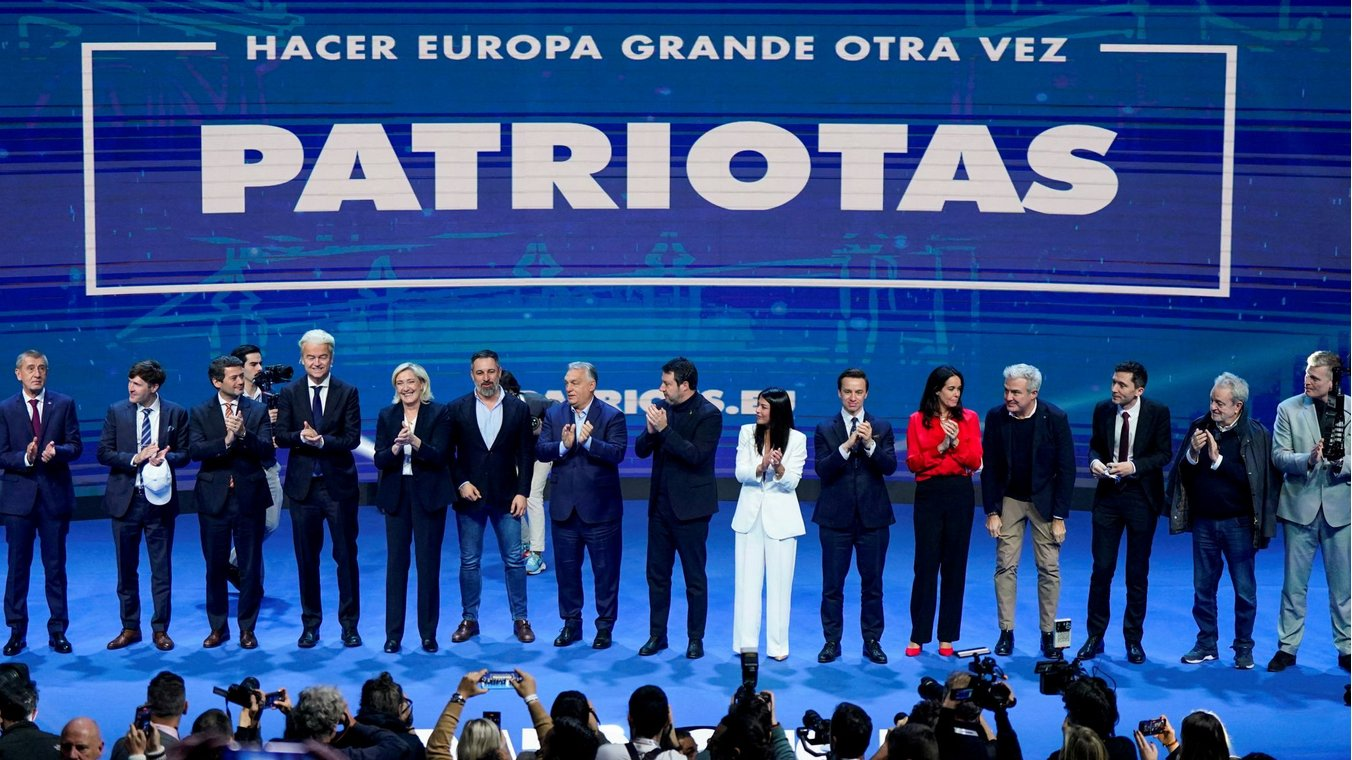
Democracy needs different 'tents'
It seems unintuitive for many commentators, but it is not by uniting democratic forces under one tent – “liberal” or otherwise.
Democracy needs different tents. The competition gives voters real choice and orientation. Whoever wins should have genuine space to govern, whether centrist, left, or right – that is democracy’s core promise, alongside the rules of the game that also make sure that majorities are reversible.
Institutions tasked with refereeing these red lines should strongly signal that they do not protect ideological camps, but the space of political pluralism and choice.
They do so too rarely.
Take the Council of Europe’s New Democratic Pact for Europe.
It mentions political pluralism only in passing. It talks about elections only in terms of risks, rather than the democratic promise of reversible majority rule.
If we use the prism of pluralism within democratic red lines, the world still looks bewildering, but easier to judge. Trump does many things he was elected to do, like strict border controls, but crosses red lines with often lawless hunts of immigrants, the mixing of money and politics and attacks on rule-of-law guarantees.
Russia's elections are pointless theatre in an authoritarian state.
Peter Magyar’s reform in Hungary can largely be justified if he restores political pluralism. This is what the majority elected him to do.
But some recent steps raise doubts, especially impossibly short consultation deadlines before major legal changes (a hallmark of Orbán's rule), as my colleague Jakub Jaraszewski pointed out here.
If the AfD wins a majority of seats in Sachsen-Anhalt’s parliament, it will be a threat to German democracy. Not because the party has many conservative policy aims; they are legitimate.
But because it crosses a number of red lines: its position on equality of citizens is doubtful at best; it treats all other parties as the same camp of illegitimate Altparteien (old parties); and it has consistently signalled that it considers a semi-authoritarian system like Orbán’s Hungary to be exemplary.
In Europe, we are rightly concerned about Russian influence operations, but the most dangerous influence is the US.
This is not only because of the Trump administration’s support for (semi-)authoritarians, but because the US has soft power and its deep polarisation into two political camps travels across the Atlantic. But we don’t want to end up where the US is now.

![Rima Hassan in her Brussels office: '[It's] not merely a lack of courage; it is a criminal policy to advocate for a two-state solution today'](https://static.euobserver.com/2026/07/DSC_0345-2-2400x1602.jpg)