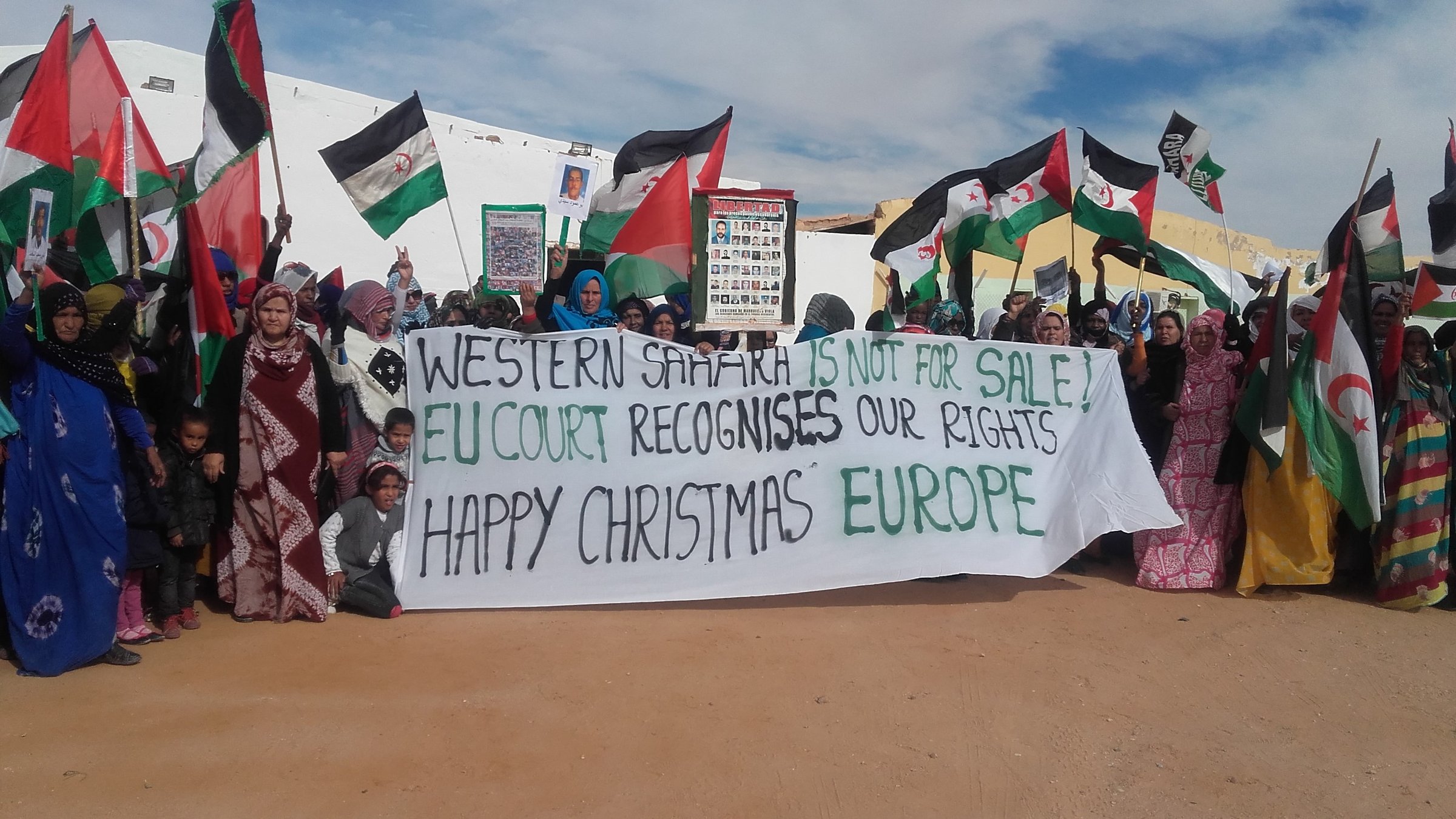
Produce from the disputed territory of Western Sahara must be labelled as the country of origin in the EU rather than Morocco, the EU’s top court was advised on Thursday (21 March).
The opinion by the European Court of Justice’s Advocate General Tamara Ćapeta is the latest twist in a long-running lawfare suit at the EU’s top court pitching the European Commission and Morocco against the Sahrawi independence movement.
The case was brought by Confédération paysanne, a French agricultural union, which had initially asked the French government to prohibit the importation of melons and tomatoes from Western Sahara, claiming that they were falsely labelled as originating from Morocco. The French government, which is one of Morocco’s main EU allies, refused.
In her opinion, Ćapeta stated that EU food labelling law requires Western Sahara to be indicated as the country of origin. Failure to do so “risks misleading EU consumers in their purchasing decisions.”
Morocco which asserts its sovereignty over Western Sahara, has emerged as a key ally of the European Union on migration and regional security. In return, the EU commission is keen to offer improved trade and investment opportunities and political relations.
Previous cases successfully challenging the legality of EU-Morocco trade arrangements also encompassing Western Sahara have been brought on behalf of the Polisario Front, the Sahrawi independence movement.
However, these efforts have been complicated by the status of Western Sahara, a former Spanish colony which the United Nations does not recognise as being part of Morocco.

 Ukraine’s new commander has three ways to win the war: training, drones and culture change (Ukraine Battlefield update, Day 1,610)


 Benjamin Fox