On Tuesday (24 October) in Iceland, tens of thousands of women and non-binary people held a a one-day national strike to protest against inequality in the workplace and gender-based violence.
Strike organisers called for all work to be stopped, including housework and childcare. “For this one day, we expect husbands, fathers, brothers and uncles to take on the responsibilities related to family and home,” the organisers said on their website.
The strike, also known as the Women’s Day Off [Kvennafrí], is nothing new for Icelanders, although this is their biggest effort since the first one, back in 1975. Then, 25,000 people gathered in the capital, Reykjavík, to highlight the important contribution women make to the economy.
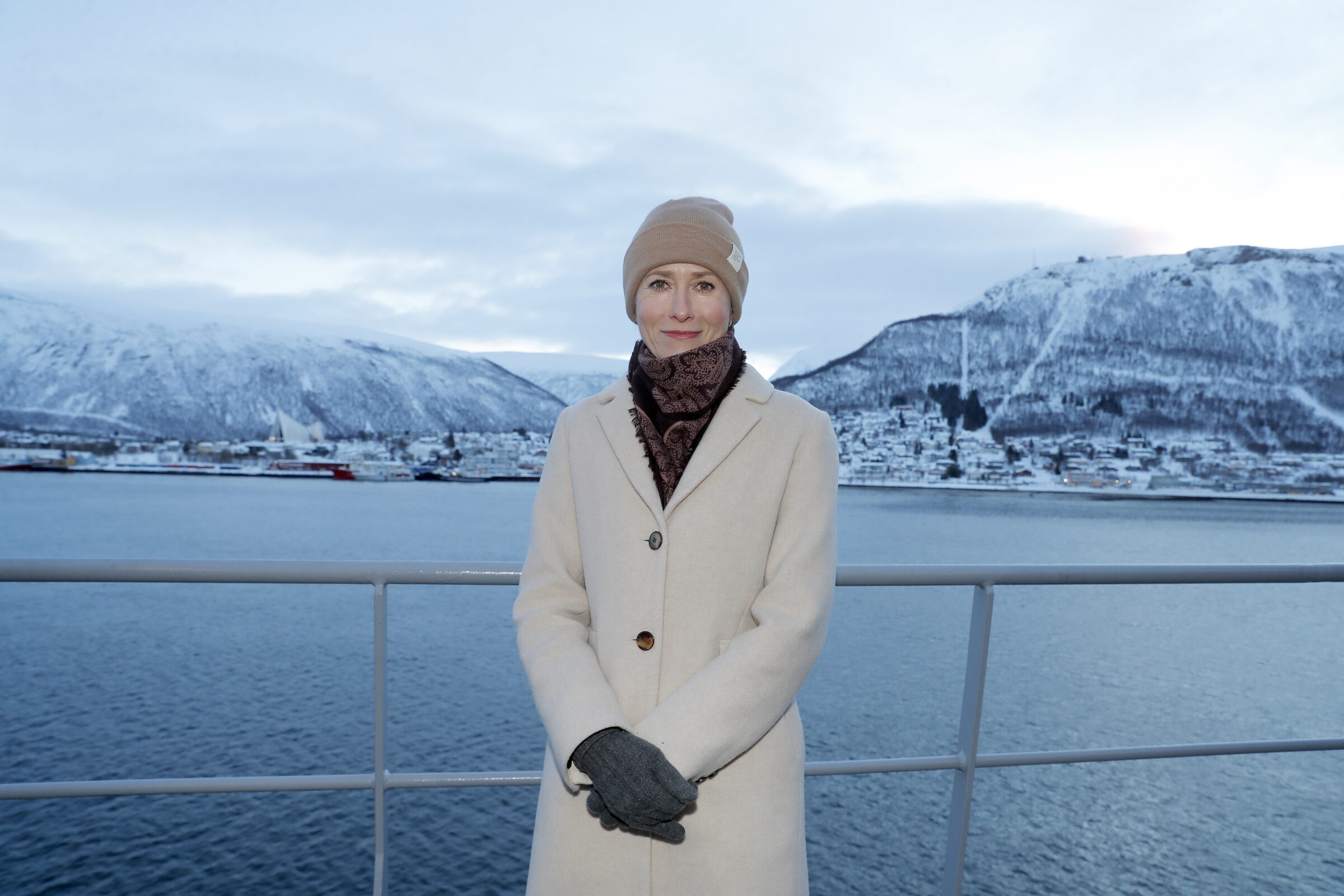
Now, even prime minister Katrín Jakobsdóttir took the day off and joined the strike — expecting her female cabinet colleagues to do the same, she told local media.
Iceland is considered the best country in the world for gender equality. It has been ranked number one by the World Economic Forum (WEF) for 14 years in a row, but the country is still not equal.
The gender pay gap in Iceland is 21 percent in certain professions, and more than 40 percent of women have experienced gender-based or sexual violence.
Iceland’s example shows that there is no room for complacency, as there is still work to be done and progress to be maintained.



![As birthrates decline and the workforce empties out, “in some countries, [people] are obliged to retire,”](https://static.euobserver.com/2005/04/677e4ac7c530bd9e00eb0ac007326e19.jpg)