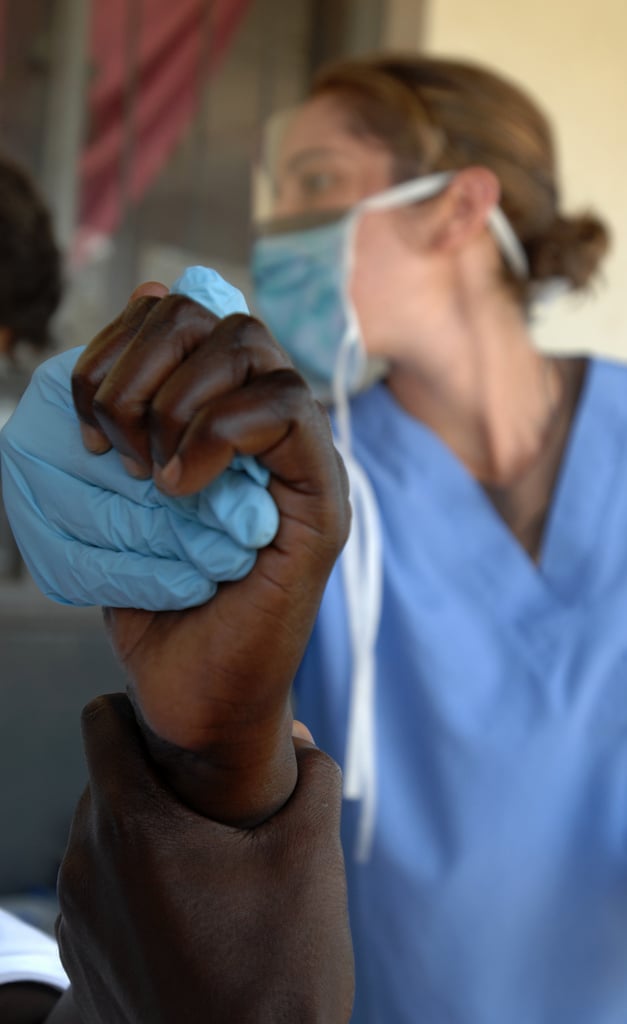
The town hospital of Guriceel, in the Galguduud region in central Somalia, is understaffed.
The doctors who once worked there have all but fled the fighting that has afflicted the country for decades. Those who remain often lack education. But they do have an internet connection.
Since January 2011, the hospital’s paediatrics department is able to consult with a specialist based in Nairobi, in neighbouring Kenya, via live video streaming. The specialist, himself a Somali national, helps establish the right diagnosis and even talks to the patients’ parents.
The project, a pilot initiative of Doctors Without Borders, is already paying off, Bienvenu Baruani, project coordinator in Nairobi, tells EUobserver. Not only do the children of Guriceel receive better healthcare, its doctors are learning, he says.
“At first, 90 percent of diagnoses were changed after specialist consultation. Now, it is about 60 percent.”
![As birthrates decline and the workforce empties out, “in some countries, [people] are obliged to retire,”](https://static.euobserver.com/2005/04/677e4ac7c530bd9e00eb0ac007326e19.jpg)