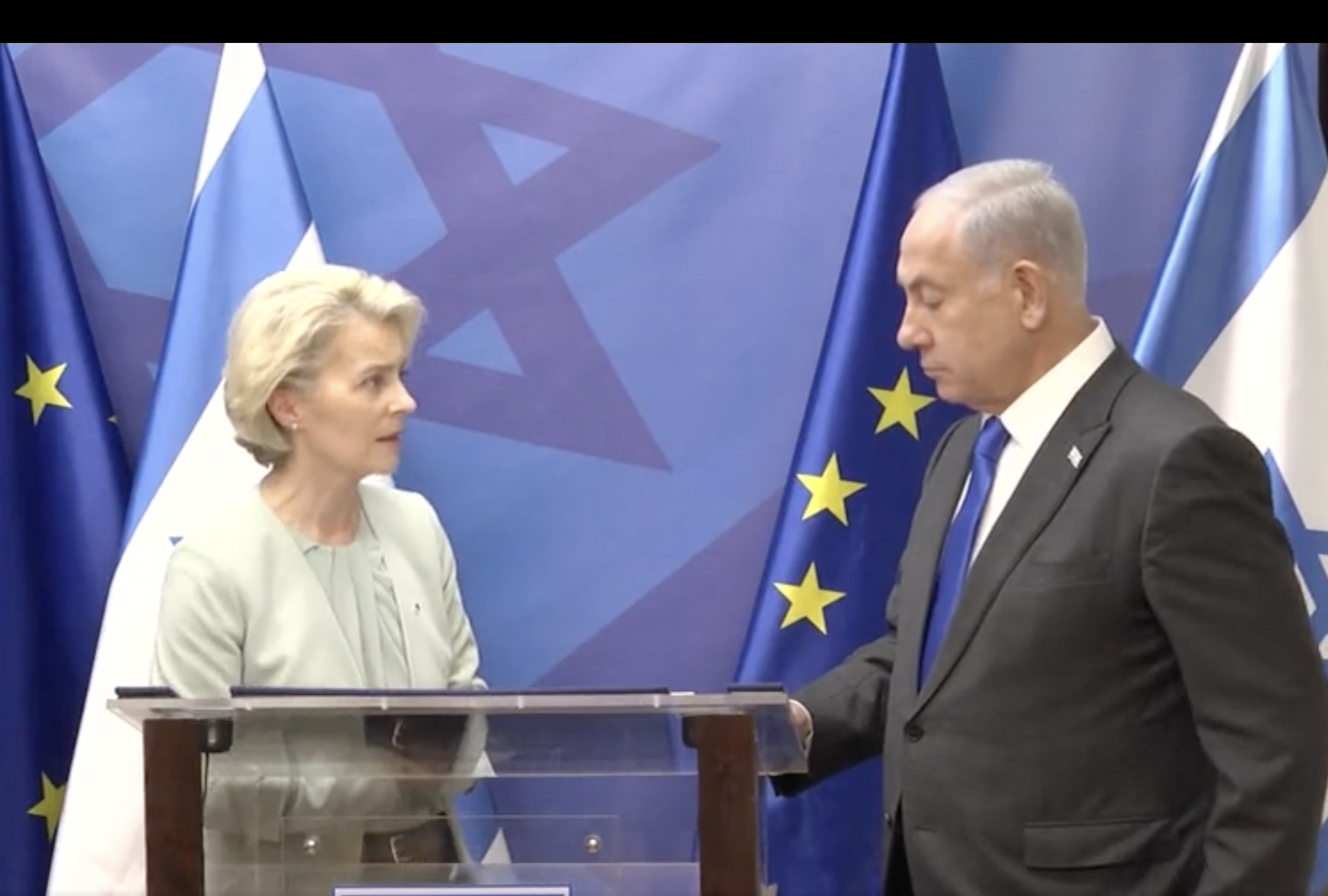
As the International Criminal Court (ICC) issued arrest warrants for Israeli prime minister Benjamin Netanyahu and former defence minister Yoav Gallant for alleged war crimes on Thursday (21 November), the EU now faces a critical dilemma: balancing its commitment to international law with its longstanding political and economic ties to Israel. Quo vadis Europa?
Thursday’s legal action means the ICC’s 124 member states — including all EU countries but not Israel or the US — would have to arrest Netanyahu and Gallant if they enter their territory.
It also means that no EU leaders or officials should meet with Netanyahu or Gallant.
While the ICC has no powers of warrant enforcement and lacks its own police force, this marks the first time the court sought the arrest of a democratically-elected leader, backed by Western countries.
The EU has long promoted the ICC as a cornerstone of international law, but Thursday’s decision puts the bloc between the hammer and the anvil given the ongoing trade ties the bloc has with Israel.
In May, ICC chief prosecutor Karim Khan filed applications for arrest warrants against Netanyahu, Gallant, and three leaders of the terrorist group Hamas. On Thursday, the ICC also issued arrest warrants for Hamas military leader Mohammed Deif, as the other two leaders had already been killed. Deif himself is also now presumed to be dead, but that is not confirmed.
The court confirmed that it has found “reasonable grounds” to argue that Netanyahu and Gallant bear criminal responsibility for “the war crime of starvation as a method of warfare” and “the crimes against humanity of murder, persecution, and other inhumane acts” as well as “the war crime of intentionally directing an attack against the civilian population”.

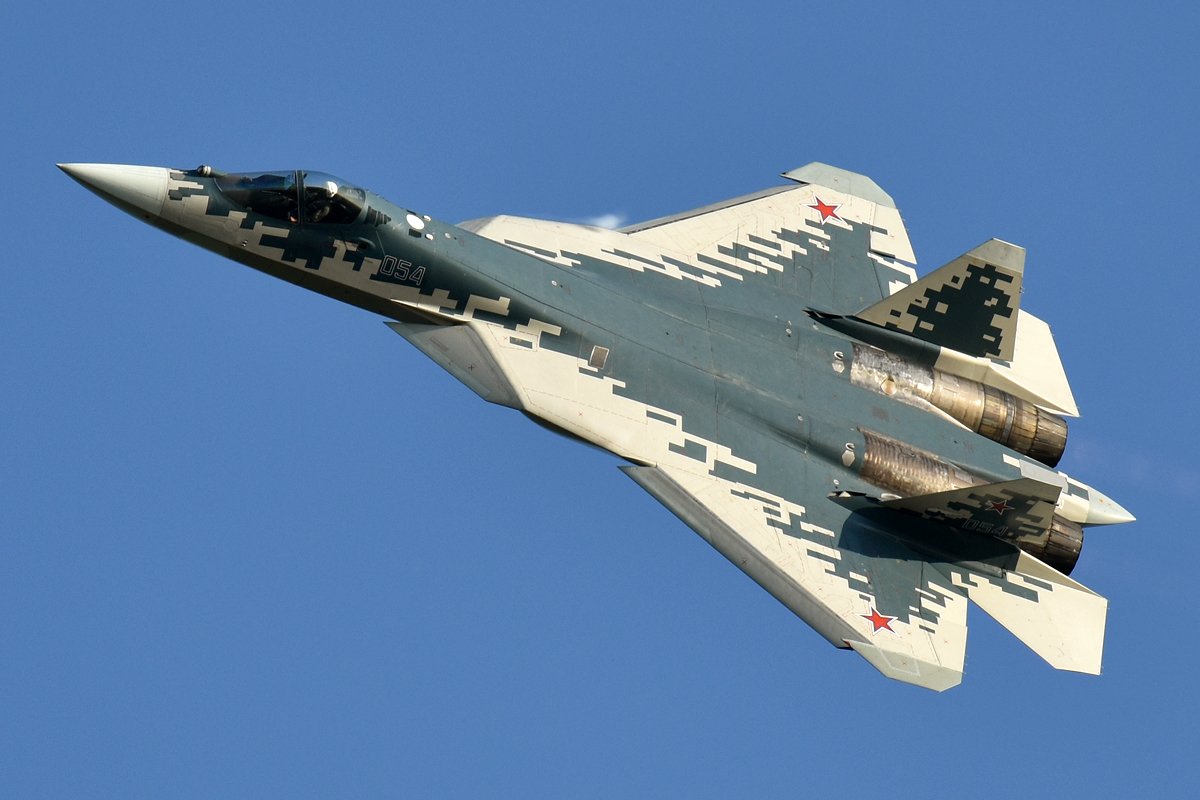
 Russia’s top Su‑57 fighter crashes near Moscow amid claims of Ukrainian cyber “friendly fire” op (Ukraine Battlefield update, Day 1,612)
 Elena Sánchez Nicolás