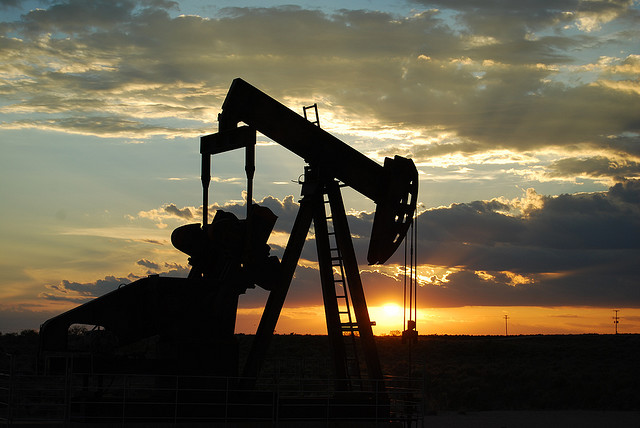
 EU governments can’t kick their fossil fuels addiction, even when they want to
A friend recently asked whether I still “liked” covering the climate breakdown, and I told him, no, not really.
Why not? Because everything else — music, theatre, general enjoyment — feels pretty much irrelevant in the face of it.
It has affected my character and the way I think about mine and my daughter’s future in rather negative ways I don’t want to go into here. That is not to say that I didn’t appreciate him asking. It was the first time anybody did since I started covering this beat. And I’ve been at it since 2014.
Long enough, in any case, to know that some people (“climate optimists”) enjoy babbling about climate solutions that, more often than not, depend on governments doing everything right.
The good news is that, since the Hormuz crisis began, Brussels and many European governments appear to be recovering from some of their worst anti-green instincts of the past few years.
The bad news is that state support for the fossil-fuel sector is likely to reach its highest level since 2022 this year, according to International Energy Agency financial data published in May.
Bloomberg’s energy columnist David Fickling did a brilliant job making the data accessible a few weeks ago. Where private companies put only 28 percent of their energy investments into fossil fuels, governments still spend more than half.
If you combine public investment and subsidies, 68 percent of taxpayer-funded energy spending went to fossil fuels last year, a bit lower than the 78 percent share seen in 2022. Fickling's conclusion: it's the private sector driving the energy transition, not governments.

 Wester van Gaal