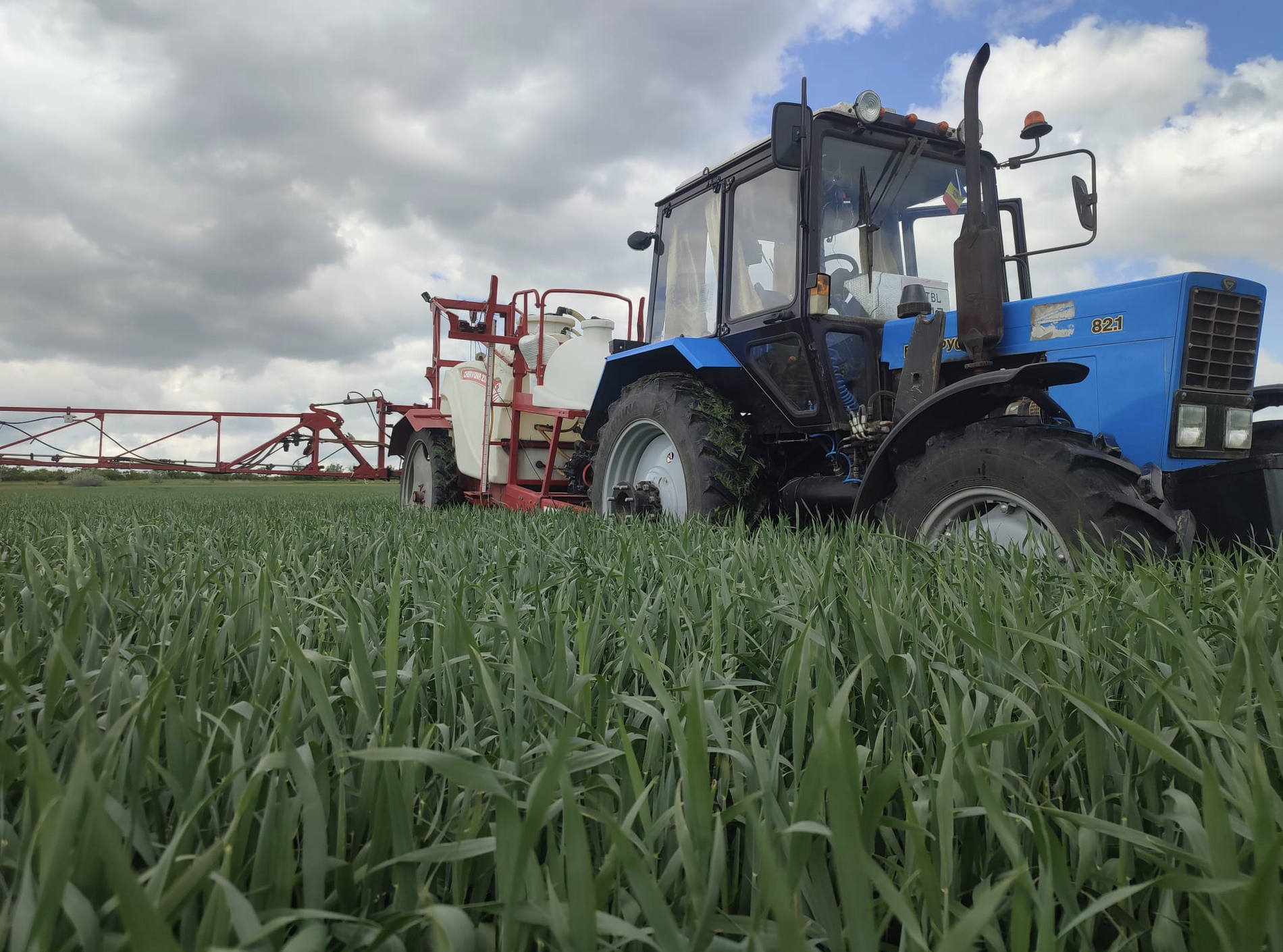
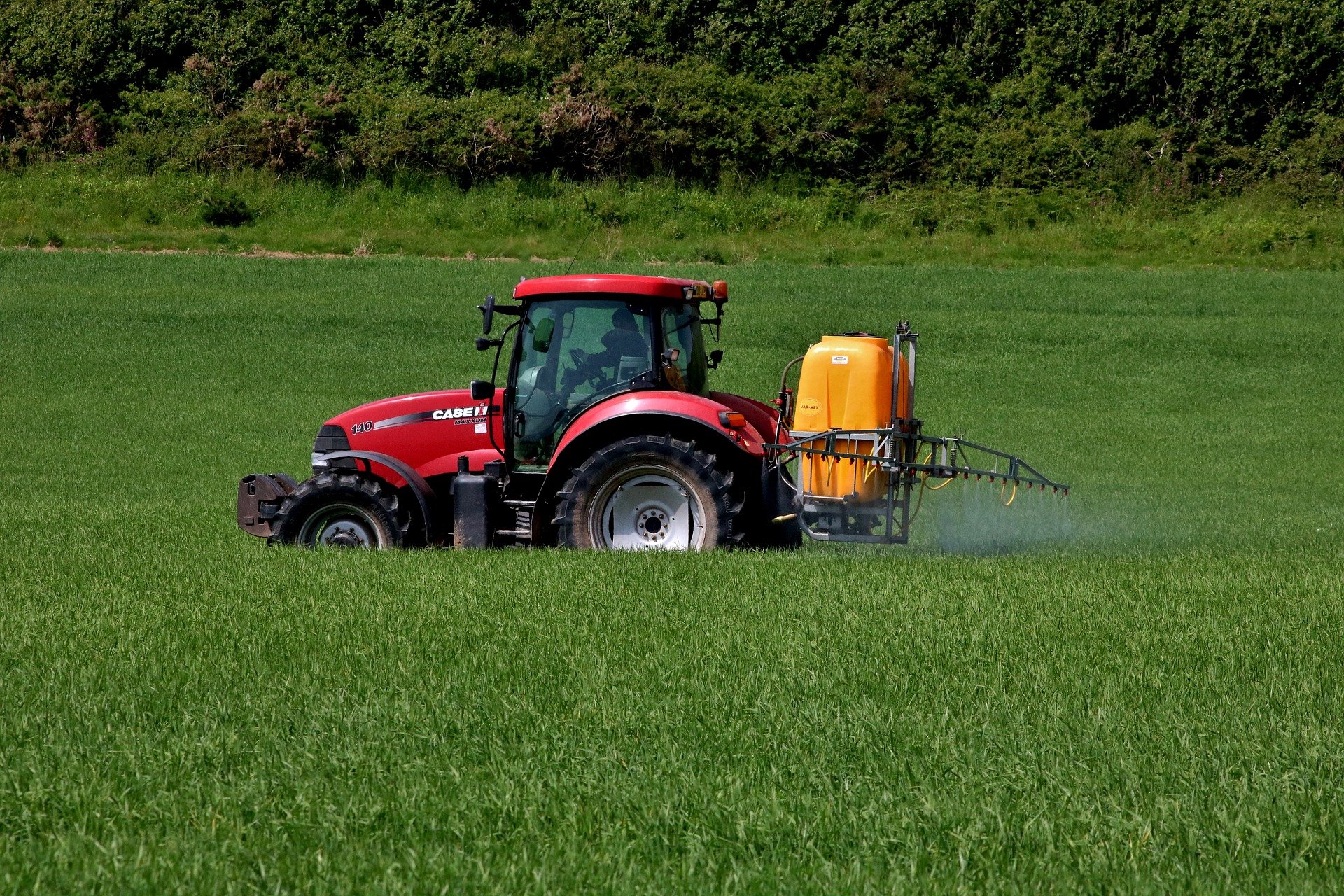
It doesn’t matter when you read this: somewhere in Europe, farmers have taken their tractors to the streets and are protesting against one policy or another. It may be due to the rising cost of fuel, unfair competition from much cheaper products coming from less developed markets, the burden of European phytosanitary regulations, or any cut to the CAP, the European Common Agricultural Policy. The CAP is probably one of the biggest puzzles into which yet another piece may now need to fit: the accession of Ukraine (and Moldova).
Even if we discount the territorial amputations suffered by Ukraine as a result of the Russian invasion—Crimea and parts of the Donbas—Ukraine still has 32 million hectares of usable agricultural land, of which 26 million are already under cultivation. That is twice the amount of arable land in France (17 million hectares) and three times that of Spain and Poland (11 million each, according to the World Bank). In the event of accession, Ukraine would become the EU’s leading producer of cereals and oilseeds—rapeseed, sunflower and soybeans.
Next to it, Moldova is little more than an appendage (1.87 million). But that will not necessarily benefit the Moldovans: Moldova’s accession trajectory has largely advanced in parallel with Ukraine’s, benefiting from the geopolitical momentum created by Kyiv’s candidacy while remaining subject to its own merit-based assessment. But it also gets some of the associated risks and anxieties of the bigger candidate.
The agricultural chapter “is considered among the most difficult in the EU accession process,” argues researcher Elsa Régnier in a 2024 study from SciencesPo. This is due to the central role of CAP in the EU budget and the general vulnerability of farming systems. The European Commission similarly acknowledges that Ukraine and Moldova “will need time and effort,” as the EU “must ensure that its policies, including the CAP, are fit for an enlarged Union.”
“More difficult than the war? Than the Holodomor? I don’t think so. We will adapt,” jokes Volodymyr Rever, a farmer from Lviv in western Ukraine. Like him, many other farmers have become both victims and soldiers in the war Russia has unleashed on their fertile steppes.
Ukrainian soil is among the richest in the world. Scientists call it chernozem (black earth), due to the characteristic dark colour created by the accumulation of organic matter in the soil. That is called humus, “the essential nutrients for plant growth,” explains Mykhailo Mulenko, researcher at the Khortytsia National Reserve.
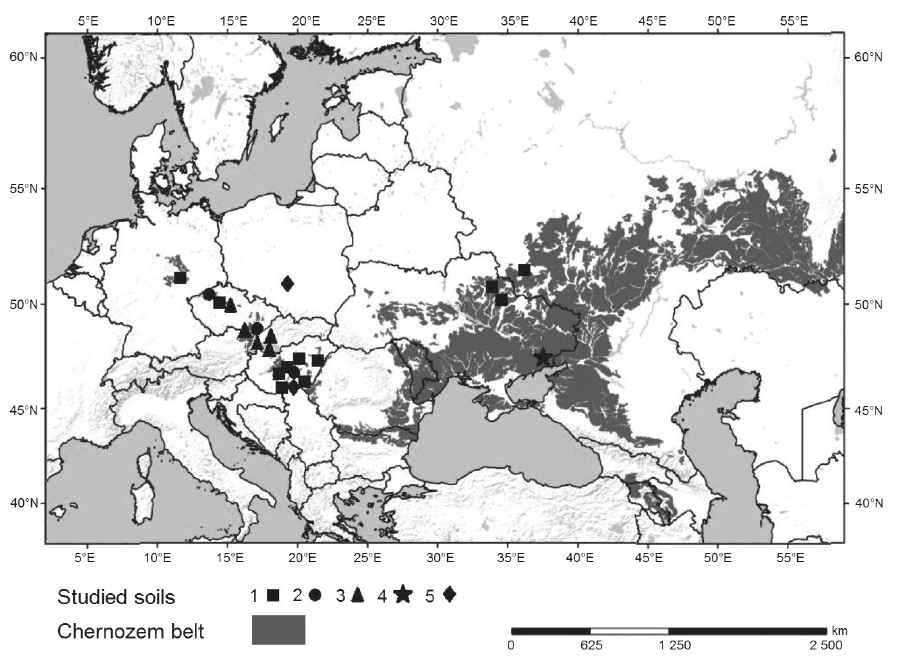
“In some areas of central Ukraine, the humus layer can reach up to one metre in thickness, which is extraordinary,” says Mulenko. The depth of the humus makes it more resistant to the aggressive techniques of modern agriculture, helping preserve its fertility.
Today, much has changed since the beginning of the invasion, when the advance of Russian tanks from the north and south of Ukraine seemed unstoppable. At that time, Russian ships blockaded the port of Odesa, which accounted for more than 80 percent of Ukraine’s agricultural exports; missiles destroyed factories that processed food and seeds in Kharkiv; and Russian bombs deliberately targeted crops and agricultural machinery in Chernihiv and Sumy. Mines contaminated the soil across areas crossed by Russian forces.
But they were halted; and Ukraine managed to retain control of the port of Odessa, established new export routes by sea and rail (with the cooperation of countries such as Romania and Poland), saved its seeds and harvests, and reorganised its logistics and fuel supply chains. “It is like another front line: bread is sacred for us, and sowing is a symbol of life. You cannot imagine what it means for Ukrainians, who have survived two world wars and a famine,” says Roman Leshchenko, Ukraine's former minister of agrarian policy and food.
And this goes beyond the “unique fertility potential of the soil,” says Yves Le Morvan, head of supply chains and markets at the Agrillées think tank in France. “Ukraine has strong human capital, as well as resilience in its logistics, trade and processing chains,” he says.
But these measures already sparked tensions with neighbouring countries. Hungary, Poland and Slovakia even went as far as imposing bans on Ukrainian imports. Dănuț Andruș was a farmer whose face became emblematic of Romanian farmers’ protests against Ukrainian products, during which tractors blocked the main road into Bucharest. At the time, Ukraine was accused of unfair competition. Today, he is no longer so radically opposed to Ukraine
and Moldova’s integration. “I don’t think it’s good, because it will destabilise the market, but every people has the right to do what it wants; if they comply with the rules, I have no problem,” he says.
But precisely this potential destabilisation caused by the entry of such a large producer as Ukraine could become an opportunity for the EU commission, perhaps through a major reform of the CAP—a process that has been on the table for years.
To date, the EU has undergone seven enlargements. The most recent were in 2007 (Romania and Bulgaria) and 2013 (Croatia). Of all of them, the only ones comparable to the current negotiations, “in terms of geopolitical relevance and agricultural impact,” according to Le Morvan, are those of the Iberian Peninsula in 1986 and those of Central Europe in 2004 and 2007.
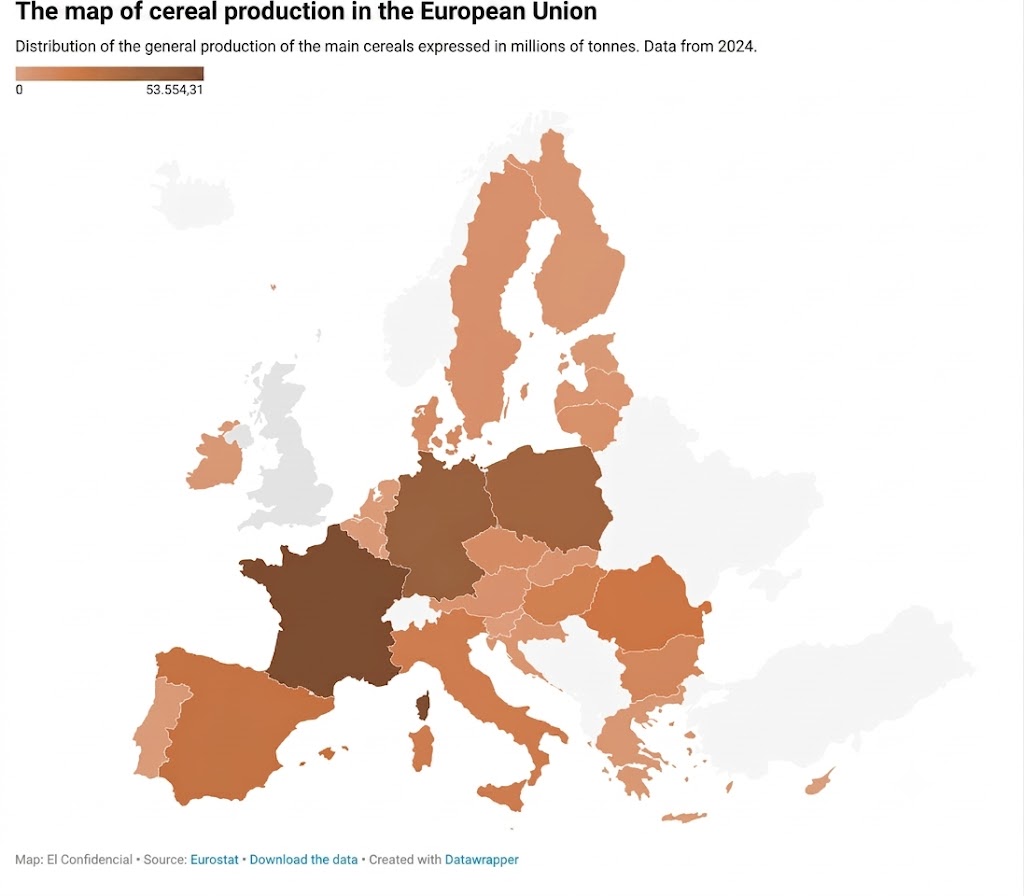
The 1986 enlargement (Spain and Portugal) increased the EU’s agricultural land area by 30 percent, while the 2004–2007 enlargements added 44 percent. The enlargement including Ukraine, Moldova and the Balkans would represent a 28 percent increase.
In 1986, a simple “adjustment through institutional prices combined with a phased implementation schedule” was enough. In 2004–2007, a deep prior reform of the CAP was required, “which created the system of area-based payments and allowed their gradual rollout to new member states in a normalised legal and economic framework.” In the case of the future enlargement, a minor adjustment of the CAP will not be sufficient. “Ukraine is not Poland; it has an agricultural economic model inherited from the former Soviet Union, with land ownership structures and business forms that are external to the EU system,” the expert explains.
 THIS WEEK: EU weighs curbs on Israeli-settlement trade, as India tech ties and carbon market review top agenda

 The EU would pay a high price if it lets down Ukraine on membership
 The threat of ‘total economic war’ looms. And July sees highest civilian deaths since 2022 (Ukraine Battlefield update, Day 1,616)
 Oxana Bodnar
 Lola García-Ajofrín
 Alicia Alamillos