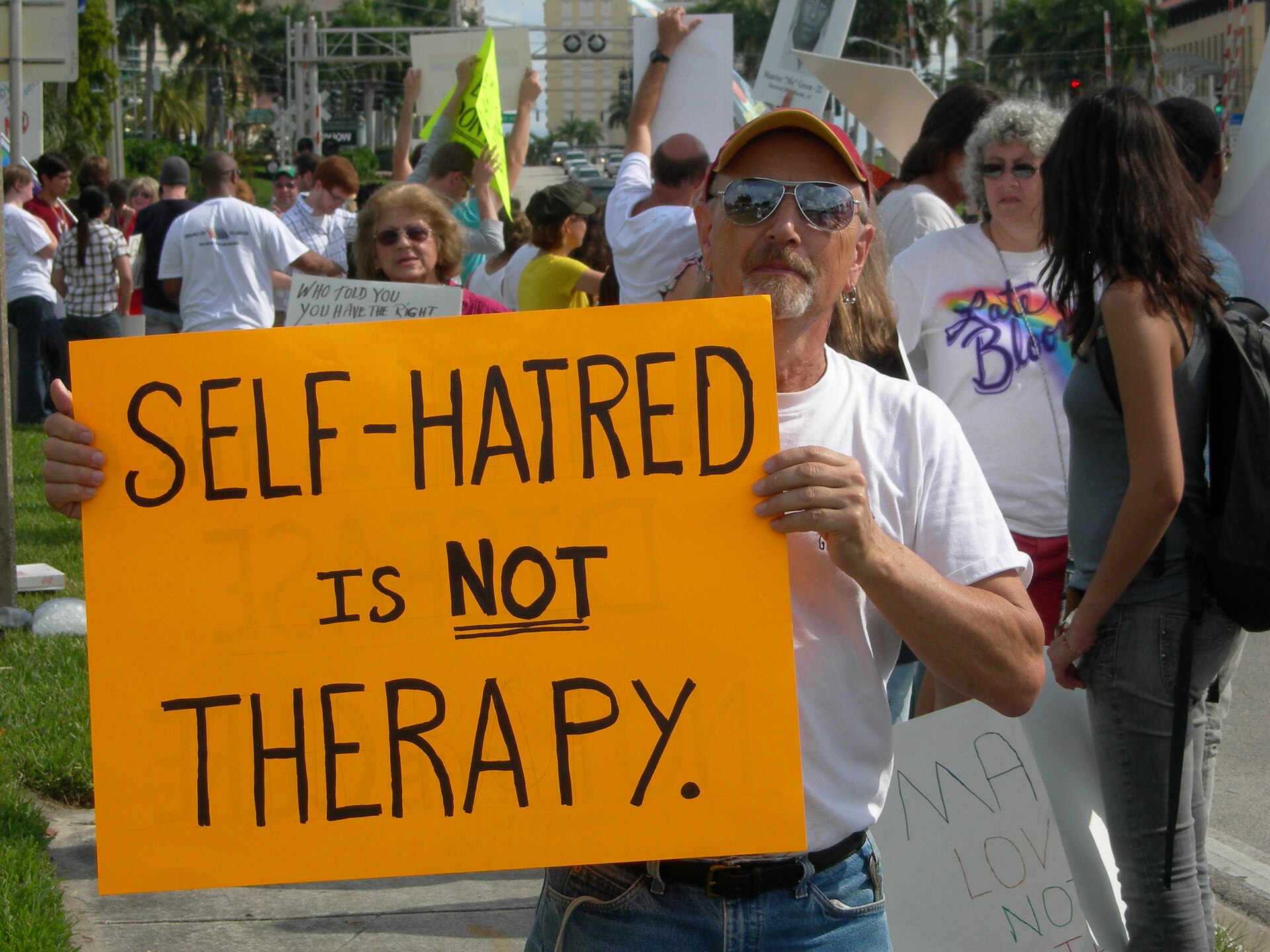
“Every day, I would be given shock treatment.”
Edward was 27 when he started his conversion treatment in London. He would be faced with the photo of a shirtless male, and for six weeks, would get shocked on his arms if he wanted to keep looking at the picture.
“I was black and blue. I could never roll my sleeves up,” he told EUobserver.
Now 81, living in Malta with his husband, the Irishman is appalled that this practice is still affecting LGBTI+ communities: “Look at the time we’re in now, 2026 and it’s still going on. It’ll never stop. Never.”
A quarter of LGBTI+ people in the EU are estimated to have experienced conversion practices to attempt to change their sexual orientation or gender identity, with many more at risk.
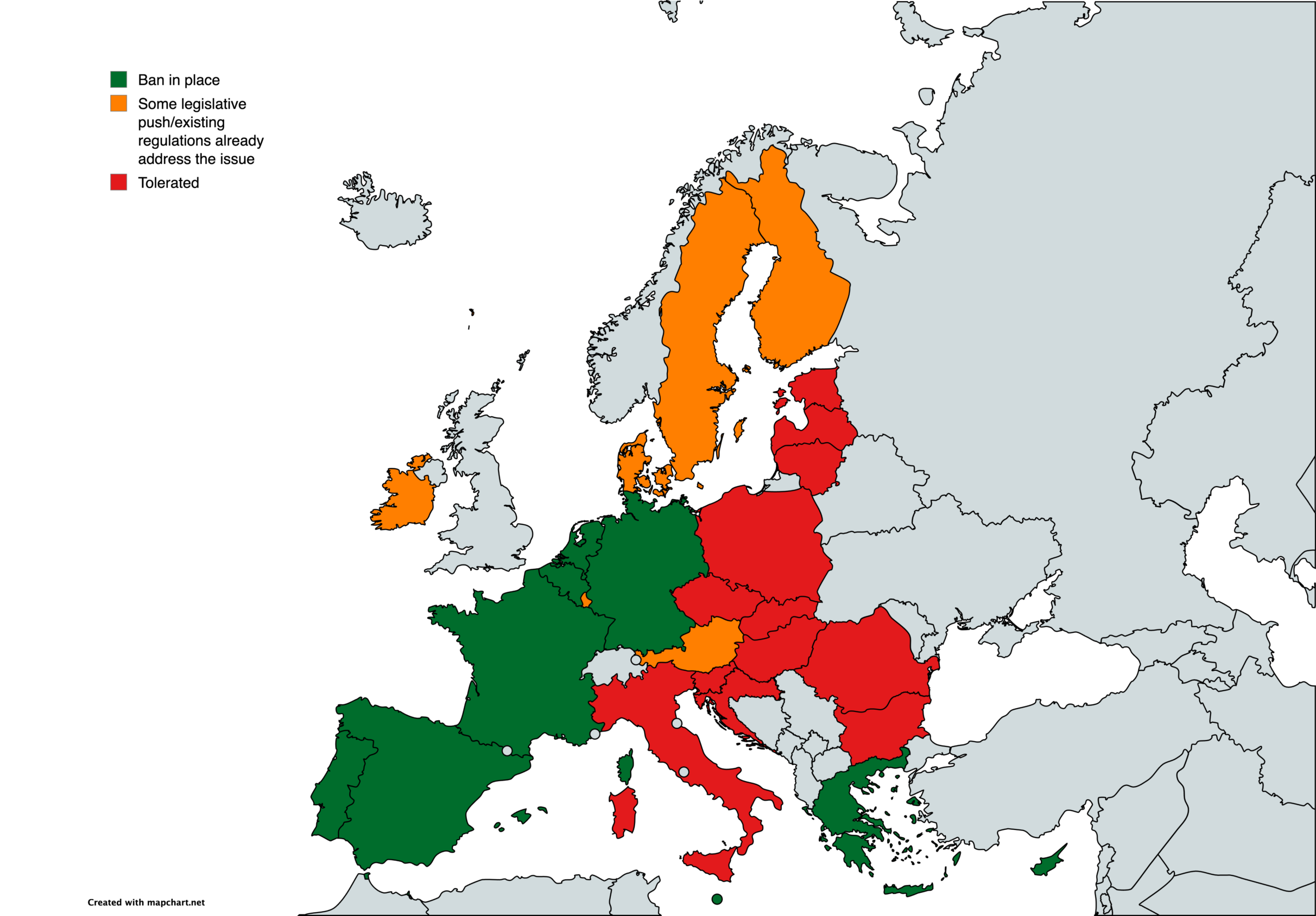
Leading the trend is Greece, with 38 percent of their LGBTI+ citizens having experienced conversion interventions according to studies by the EU Fundamental Rights Agency (FRA).
Greece is among nine other member states in the EU with mostly comprehensive bans on the practice since 2022, alongside: Malta (2016), Germany (2020), France (2022), Spain (2023), Belgium (2023), Cyprus (2023), Portugal (2024), and as of June, the Netherlands (2026).
The spectrum of sanctions go from a maximum of one year’s imprisonment in Germany and Malta, up to five years in Portugal should the treatment have brought on irreversible damage.
"Conversion practices have no place in the European Union… There is nothing to cure in LGBTIQ+ people," EU commissioner Hadja Labhib told EUobserver.
Those most vulnerable to what is often known as ‘conversion therapy’ are usually younger people hoping to conform to their family or religious communities.
Based on stories of survivors interviewed by EUobserver, conversion practices have shifted from brutal abuse, such as electric shocks, exorcisms, and sexual violence, to more subtle psychological and spiritual manipulation presented as "support groups" or "spiritual renewal" programmes.
Diluted, but still present
At the time when an EU-wide ban on conversion practices is now being pushed by a citizen-led initiative, social stigma is blocking restrictions in many European countries, while practices still continue in states that had already outlawed them under generic labels targeting self-actualisation.
"Perpetrators adapt as awareness increases," Brussels-based NGO ILGA senior policy director Cianán Russell told EUobserver. "With conversion practices, you stop seeing the 'pray the gay away' type of language because there's more societal awareness."
Tactics of coercion have also become more subdued since the time of Edward’s treatment, with Tomasz Puła’s time in a support circle that aimed to share experiences in homosexuality, pray, and play sports together, being described as "how you become to be a real man."
"It was in Poland, in Krakow. The group was called Pascha, like, in Hebrew, Passover," he said. "I was a part of a Pentecostal church and really believed that God was able to change me, change my sexuality."


 Gaia Neiman
 Elena Sánchez Nicolás
 Petra Pavlovičová