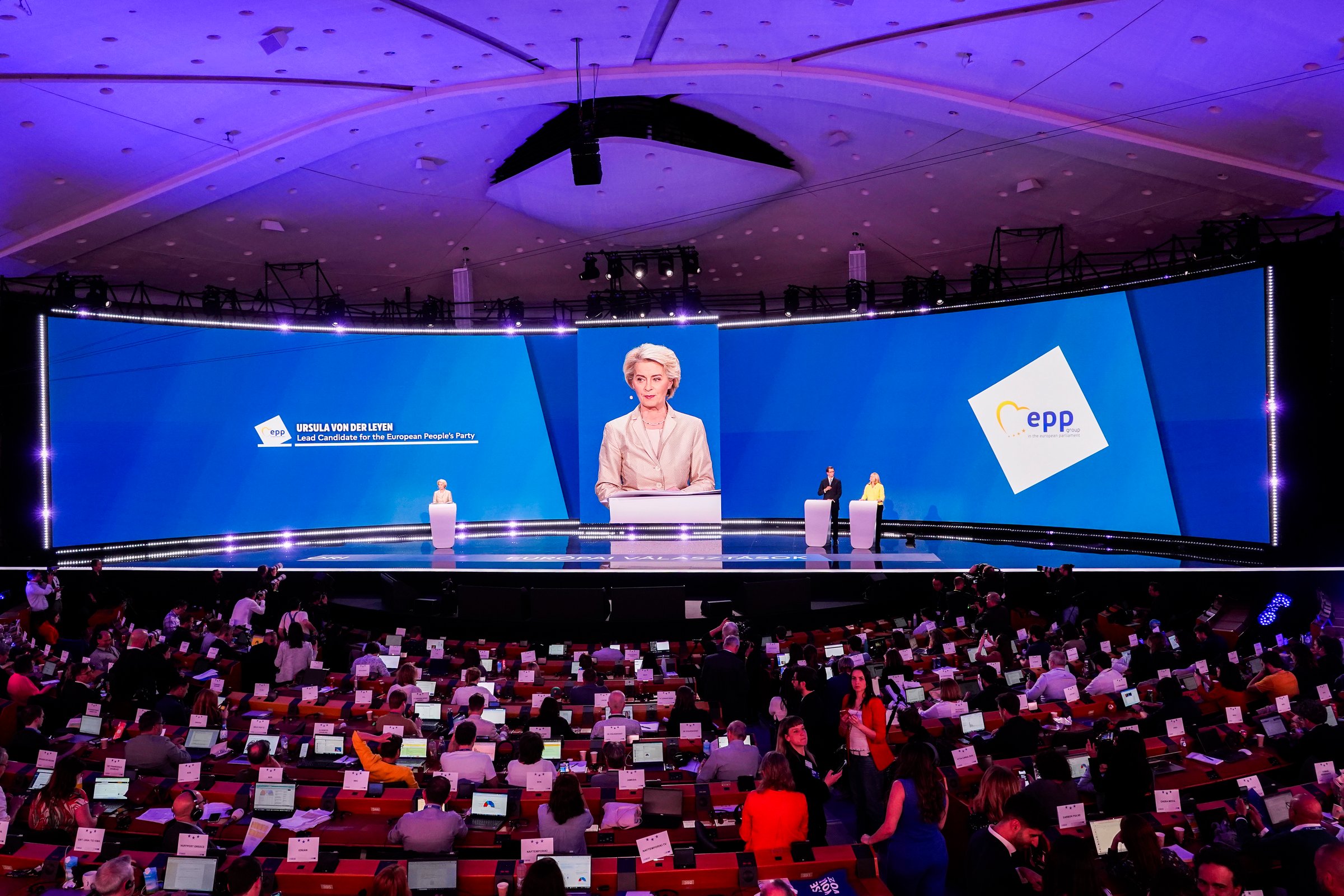
For most of the EU’s history, Christian Democrats and Socialists governed together.
When their majority disappeared in 2019, they brought in the liberals; in 2024, the Greens (informally) too.
On paper, this gave the pro-EU mainstream a comfortable majority: the European People’s Party, Socialists & Democrats, Renew Europe and Greens together hold well over 450 of 720 seats.
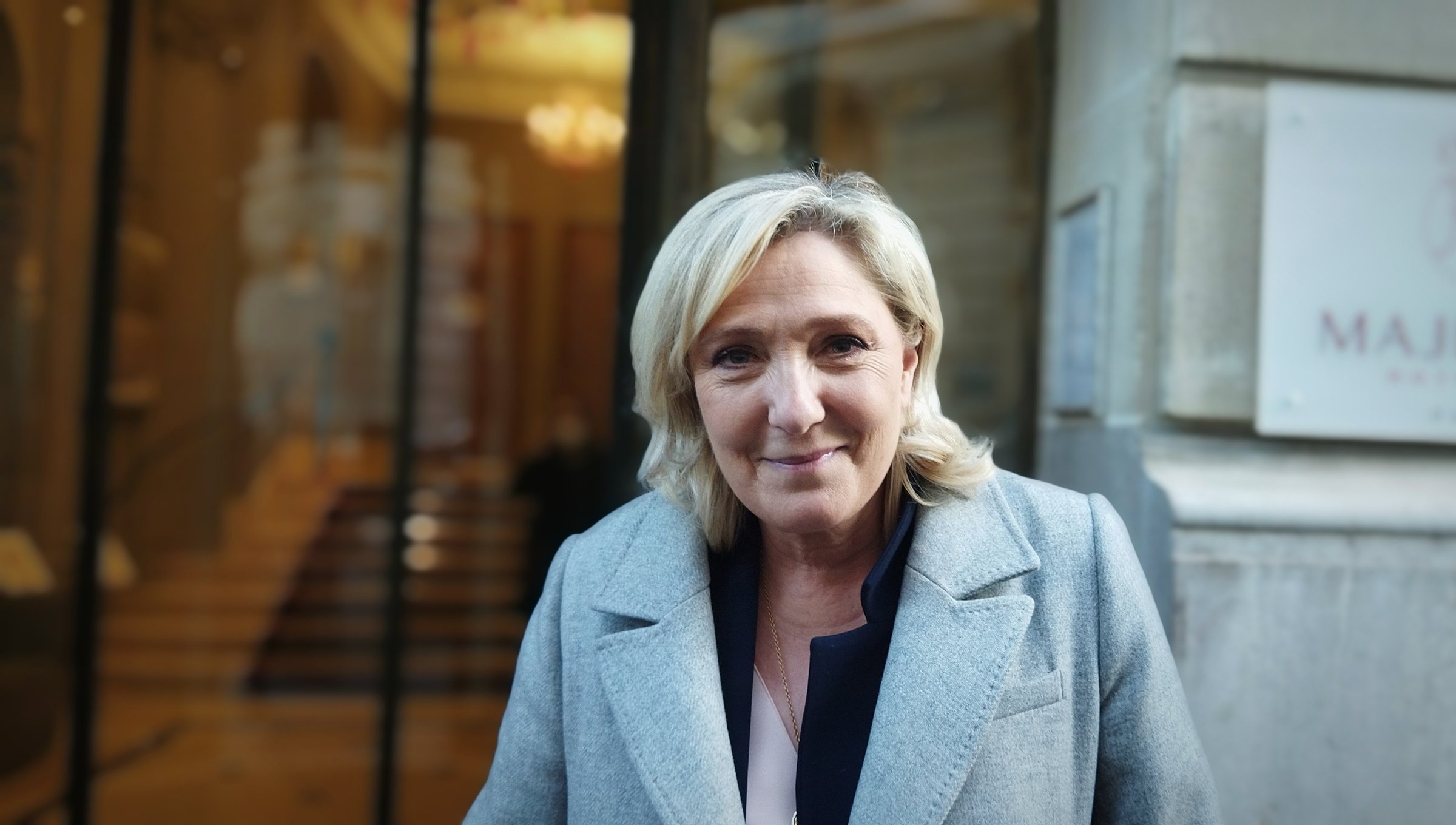
Yet when the new European Parliament confirmed Ursula von der Leyen for a second mandate, she received only 401 votes, largely thanks to Georgia Meloni’s rightwing European Conservatives and Reformists (ECR), Marine Le Pen/Jordan Bardella’s hard-right Patriots for Europe and the Alternative for Germany (AfD)’s extreme-right Europe of Sovereign Nations (ESN).
The vote was secret, but its meaning was not: the formal pro-European majority was already fraying, and the EPP was already discovering it could look right whenever the centre-left became inconvenient.
Even before the elections, the EPP had begun distancing itself from the European Green Deal while adopting increasingly hard-right language on migration and environmental protection.
Since then, the pattern has become unmistakable. On issue after issue - from Venezuela to the Return Regulation - the EPP has not merely flirted with the hard-right. It has normalised an alternative majority of convenience.
Whenever the numbers are tight, it turns right.



 Is Berlin about to go from conservative to hard-left?
 Alberto Alemanno