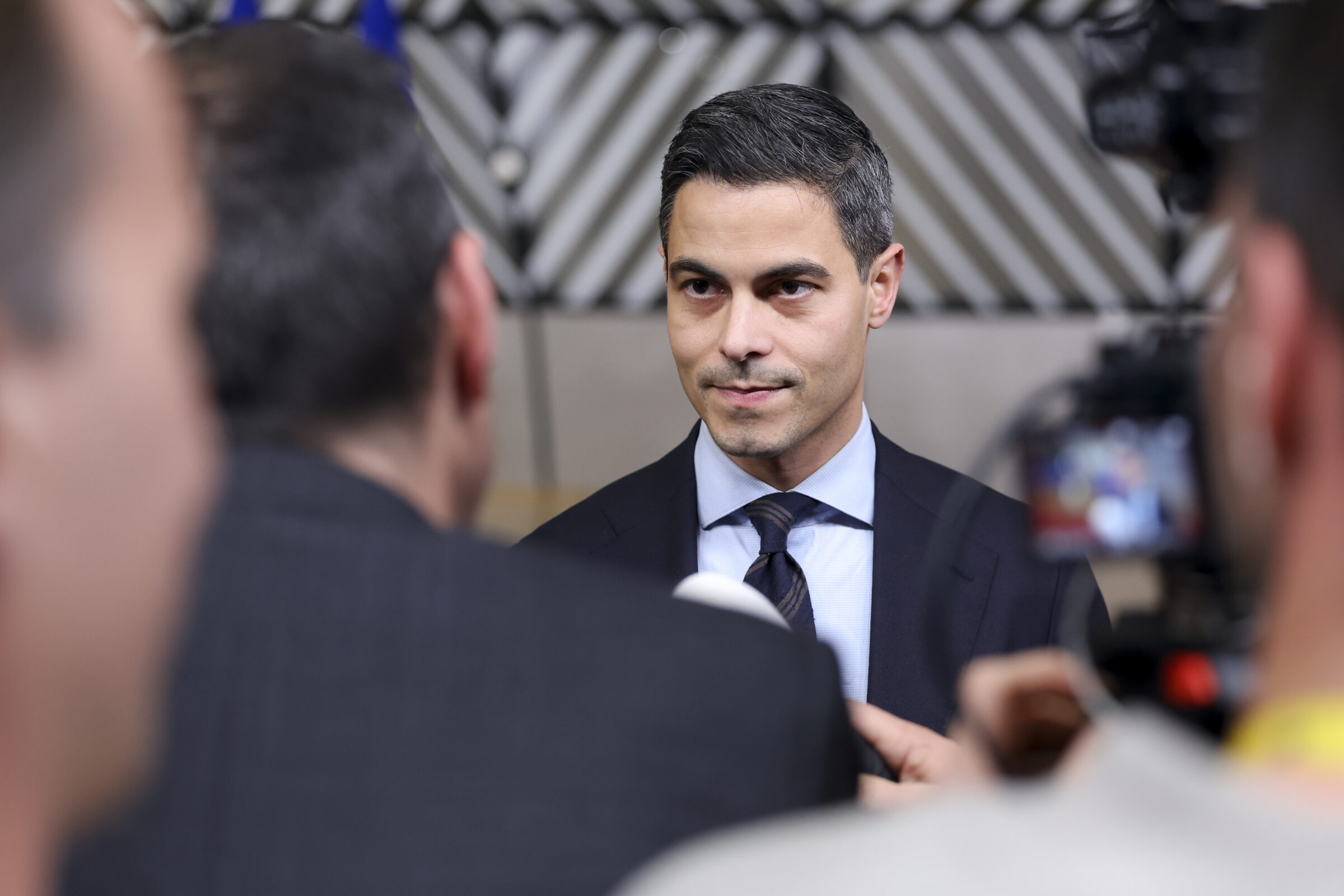
Dutch prime minister Rob Jetten criticised Spain’s low level of military support for Ukraine ahead of an EU summit in Brussels on Thursday (18 June), where president Volodymyr Zelensky joined leaders in person, amid renewed backing for Ukraine’s EU membership and fresh talk of peace negotiations with Russia.
“We certainly call out countries that are not doing enough. Winning the war also helps Spain’s security,” Jetten told reporters ahead of the meeting with EU leaders.
“When I say this to him [Spanish prime minister Pedro Sánchez], I get a rather long and convoluted answer, which is why I keep repeating the message to him,” he also said.
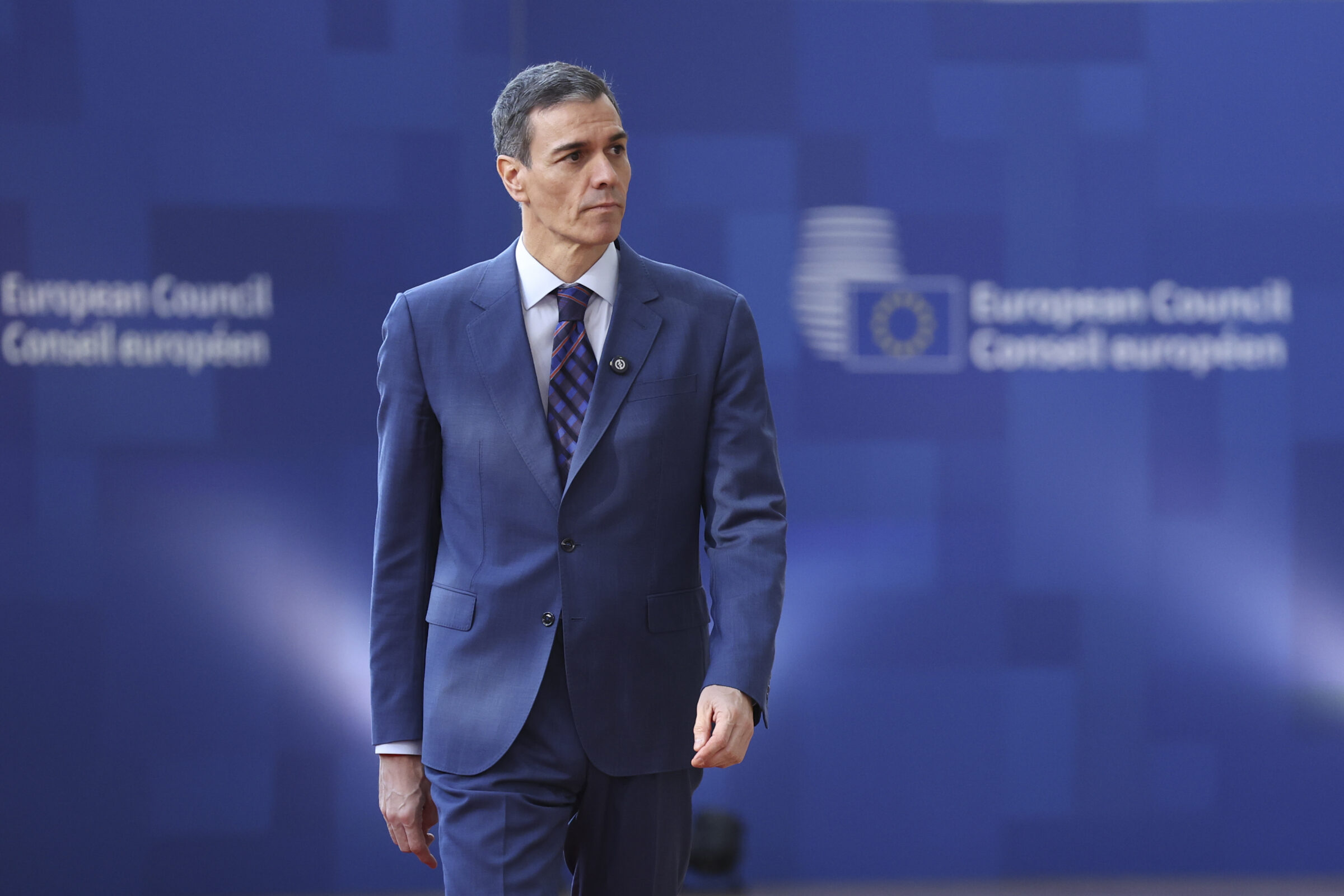
Sánchez said: “Naturally, we support Ukraine as one of the principal providers of public funding for this support to Ukraine, from military and defence terms, but also in humanitarian aid and support for the Ukrainian state”.
When looking at bilateral funding, the Netherlands is one of the main donor countries in support of Ukraine, with total contributions amounting to nearly €10.7bn, according to figures from the Kiel Institute. In contrast, Spain has allocated about €2.2bn.
Meanwhile, Spain argues that it is already paying its fair share through the EU’s budget, the €50bn Ukraine facility and the European Peace Facility.
To this, Jetten said that “yes, we have the Ukraine facility” but “all member states will also need to do more individually to help Ukraine.”
Optimism vs realism
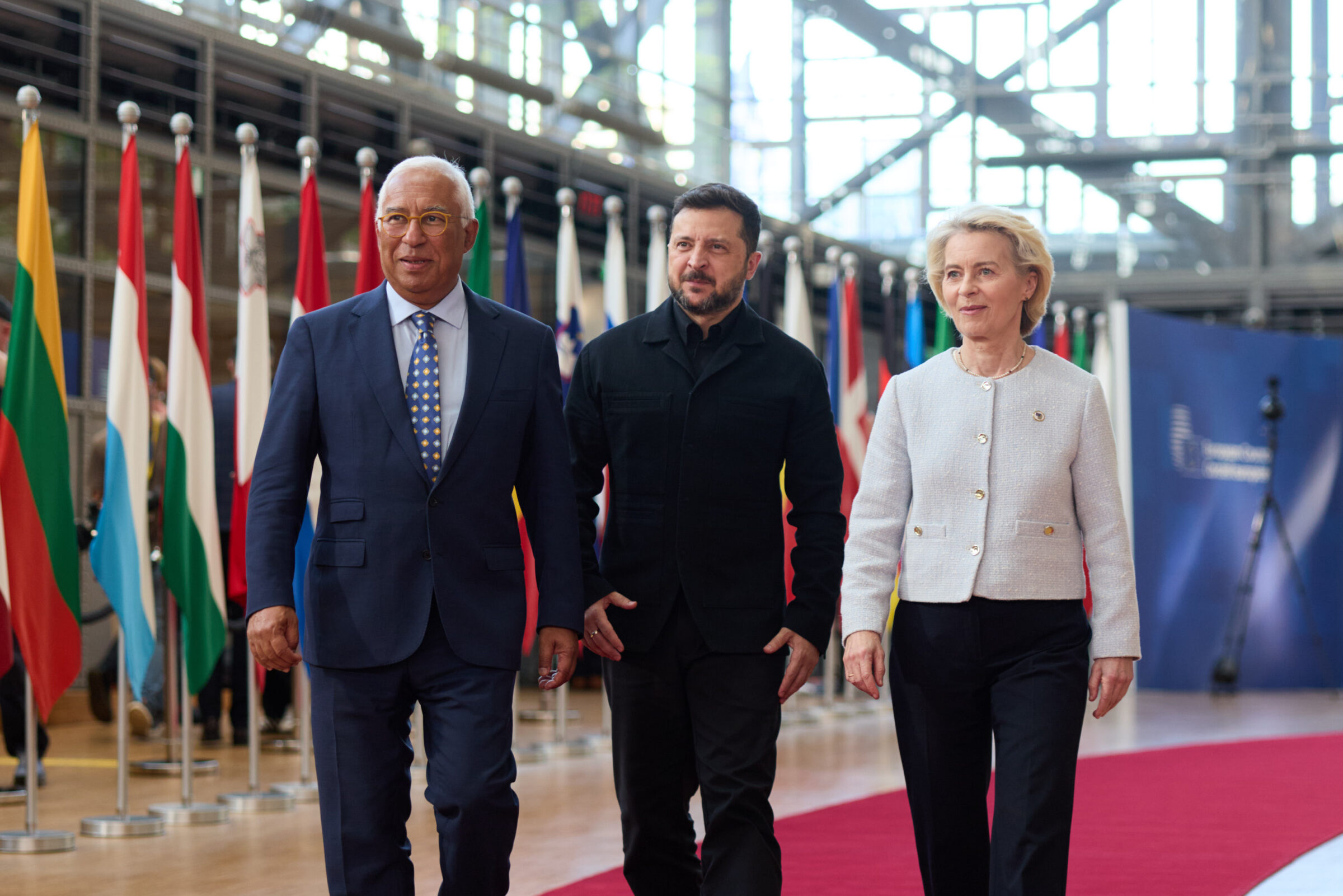
For his part, arriving at the Council building flanked by European Council and EU commission presidents António Costa and Ursula von der Leyen, Zelensky celebrated “a really great moment for Ukraine”, which saw negotiations of future EU membership finally unblocked earlier this week.
The whole process, which was also linked to Moldova’s accession path, was blocked for over two years due to opposition by former Hungarian prime minister Viktor Orbán.
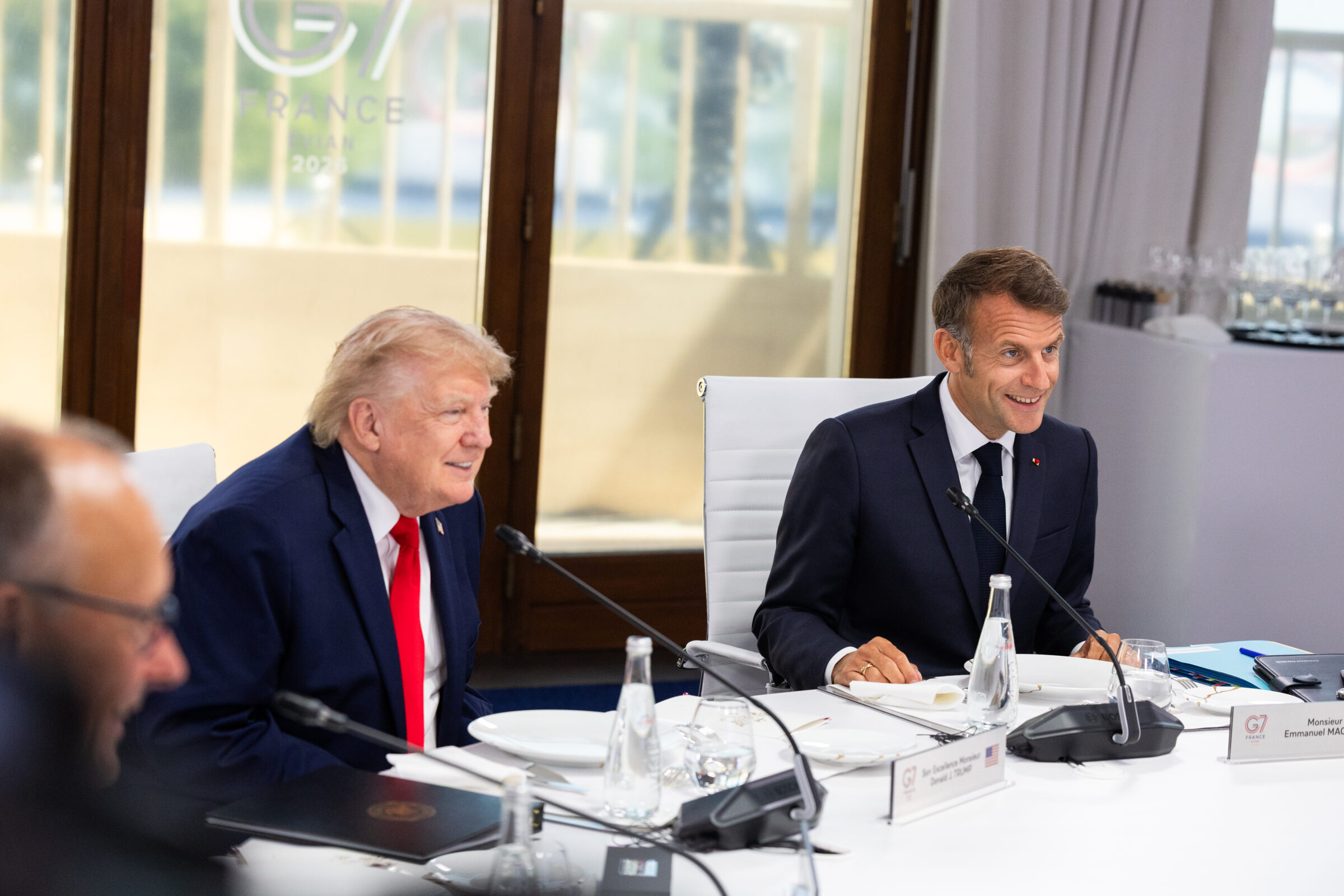
“It’s been a historic week for Ukraine,” Costa also said, pointing to positive discussions during the G7 summit in France and a broad agreement among the world’s superpowers to increase pressure on Russia’s war economy.
“Ukraine is the one fighting for peace in Europe, they have definitely earned their place in the EU and Nato,” Latvia’s prime minister Andris Kulbergs also said ahead of the meeting.
“We’re going to be by your side for as long as it takes,” said von der Leyen, echoing the expectation of a smooth accession: “We hope that during the summer we can open more clusters.”
“We would like to see them becoming members of the EU as soon as possible,” Lithuanian president Gitanas Nausėda told reporters ahead of the summit.
The Baltics and the commission have voiced optimism to open all chapters during the summer, but some have recalled the historically lengthy process of enlargement.
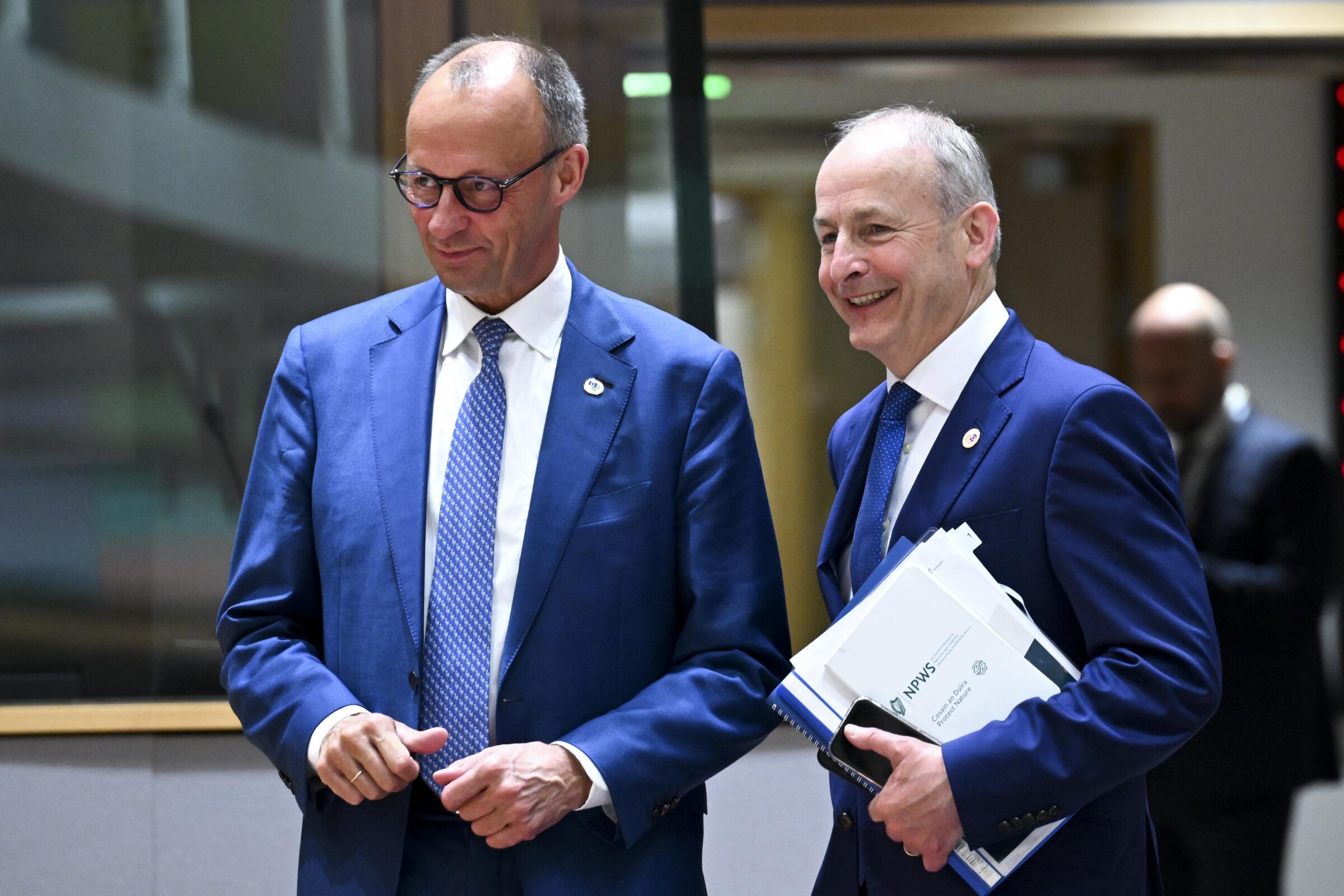
“We all know this process will take a long time, but the first steps have to be taken,” said German chancellor Friedrich Merz.
For the Baltics, it took five to seven years since they opened negotiations until they finally became official members of the EU in 2004.
An EU senior diplomat also said during briefings ahead of the summit that “some realism is needed” when it comes to enlargement of Ukriane because it “will take years, not months”.
Peace talks
Meanwhile, the positive messages on Ukraine’s EU future were overshadowed by reports about contacts between a member of European Council President António Costa’s cabinet and the Kremlin, breaking years of isolation.
The call took place without an official mandate from the 27 member states. EUobserver has learned that only some member states and von der Leyen were consulted in advance.
“The European Council supports diplomatic efforts to bring Russia’s war of aggression to an end and underlines the EU’s readiness to step up its engagement in that context, in accordance with the union’s aim to promote peace, as enshrined in the treaties,” EU leaders said in the summit conclusions.
 The EU would pay a high price if it lets down Ukraine on membership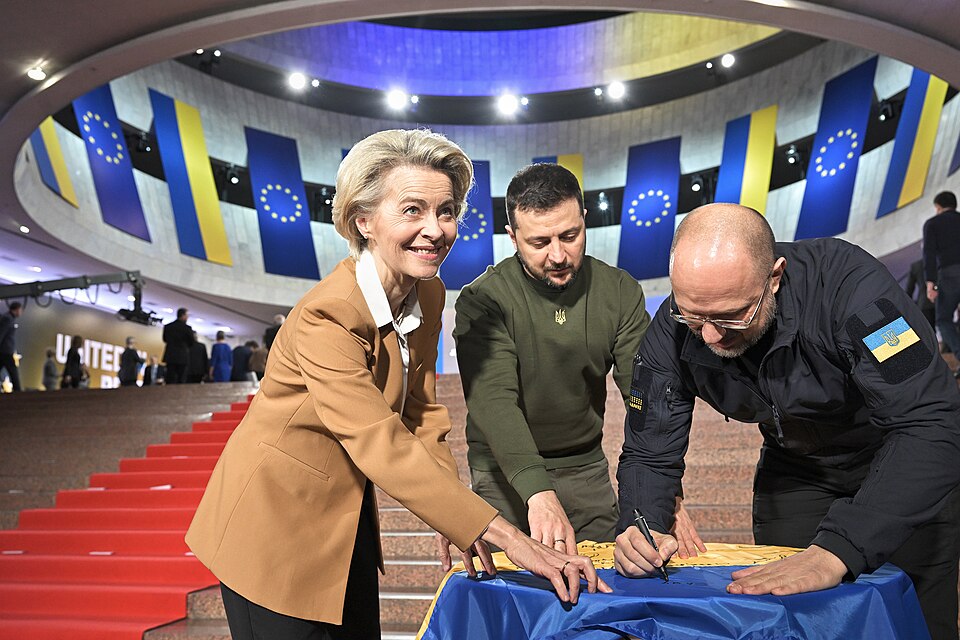
 Russian internet exploded after Moscow airstrikes, war channels demand nuclear revenge on Kyiv (Ukraine Battlefield update, Day 1,576)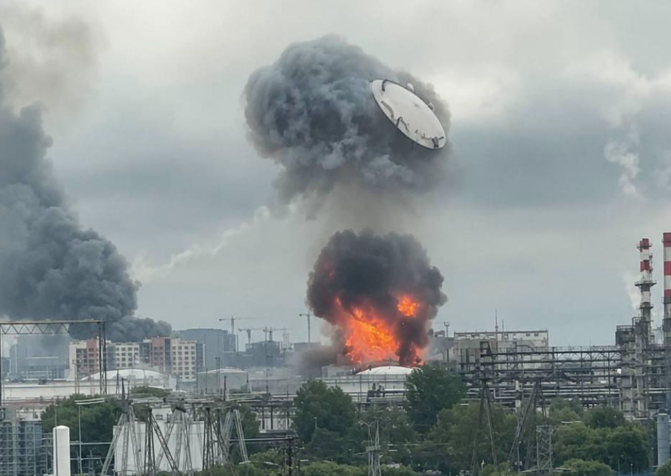
 Elena Sánchez Nicolás
 Wester van Gaal
 Gaia Neiman