Sweden, alongside 10 other European nations, has raised concerns over the recent rise in European visas granted to Russian citizens.
In a letter addressed to EU foreign policy chief Kaja Kallas and migration commissioner Magnus Brunner, Poland, the Czech Republic, the Netherlands, the Baltic states, Sweden, Finland, and Denmark, as well as non-EU countries Norway and Iceland, slammed the practice of “visa shopping” by Russian tourists.
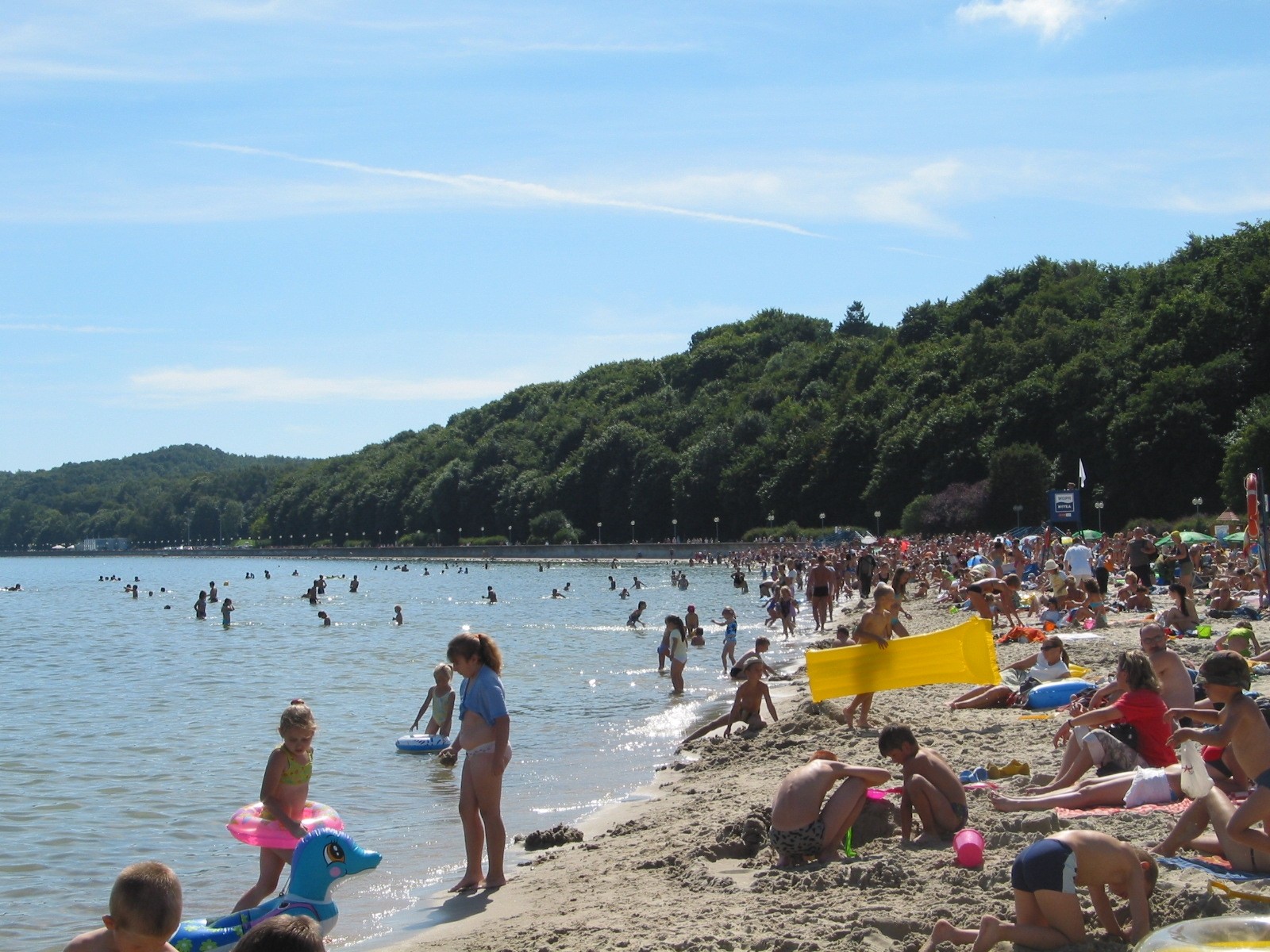
“It is deeply troubling to witness increasing numbers of Russian tourists enjoying leisure travel on European beaches and in European resorts while missiles and drones continue to strike civilians and civilian infrastructure in Ukraine,” they said.
“A coherent and coordinated approach is essential not only for the credibility of our common foreign and security policy, but also for the effectiveness of the restrictive measures we have adopted,” they added.
“While Ukrainians are dying, Russians should not be vacationing on European beaches,” also said Estonian foreign affairs minister Margus Tsahkna.
The 11 nations are demanding immediate legislative action from the European Commission, updating the EU Visa Code to create uniform laws for all member states, and a screening mechanism designed to completely block any individuals with current or past military ties to the Russian armed forces from entering the Schengen free-travel area.
The Schengen travel zone covers 25 EU countries plus Iceland, Liechtenstein, Norway, and Switzerland.
“A fragmented approach undermines our collective efforts and compromises the integrity of the Schengen area as a whole. We must ensure that a visa denied at one border cannot be easily obtained through another,” the letter added.
More Russians are getting short-term visas for their holidays and business trips in Europe, despite the ongoing Ukraine war and security concerns.
Italy issued 161,121 Schengen area visas at its two Russian consulates last year – almost 8,900 more than in 2024 and about 27,000 more than in 2023, according to figures from the European Commission released in late May.
France issued 156,547 visas in 2025 (32,657 more than last year, representing a 26 percent increase) and Spain 123,359 (11,822 more).
Trips by Russian citizens to Europe declined dramatically after the European Union suspended its visa-facilitation agreement and introduced sanctions in 2022 in response to Russia’s full-scale invasion of Ukraine.
Despite this, a total of 618,806 visas were issued in 2025, approximately a 14 percent increase compared to the previous year.
The Schengen data shows that Russians received 477,878 tourist visas in 2025, representing the vast majority of visas issued (77 percent)
Almost 43,000 visas were rejected, fewer than in 2024, when about 45,000 were denied. Spain rejected some 12,7000 applications, followed by Italy (9,390), and France (5,634).




 Why AI-turbocharged misogyny and porn is a threat to EU democracy

 Putin’s invasion of Ukraine has now lasted longer than World War I (Ukraine Battlefield update, Day 1,567)