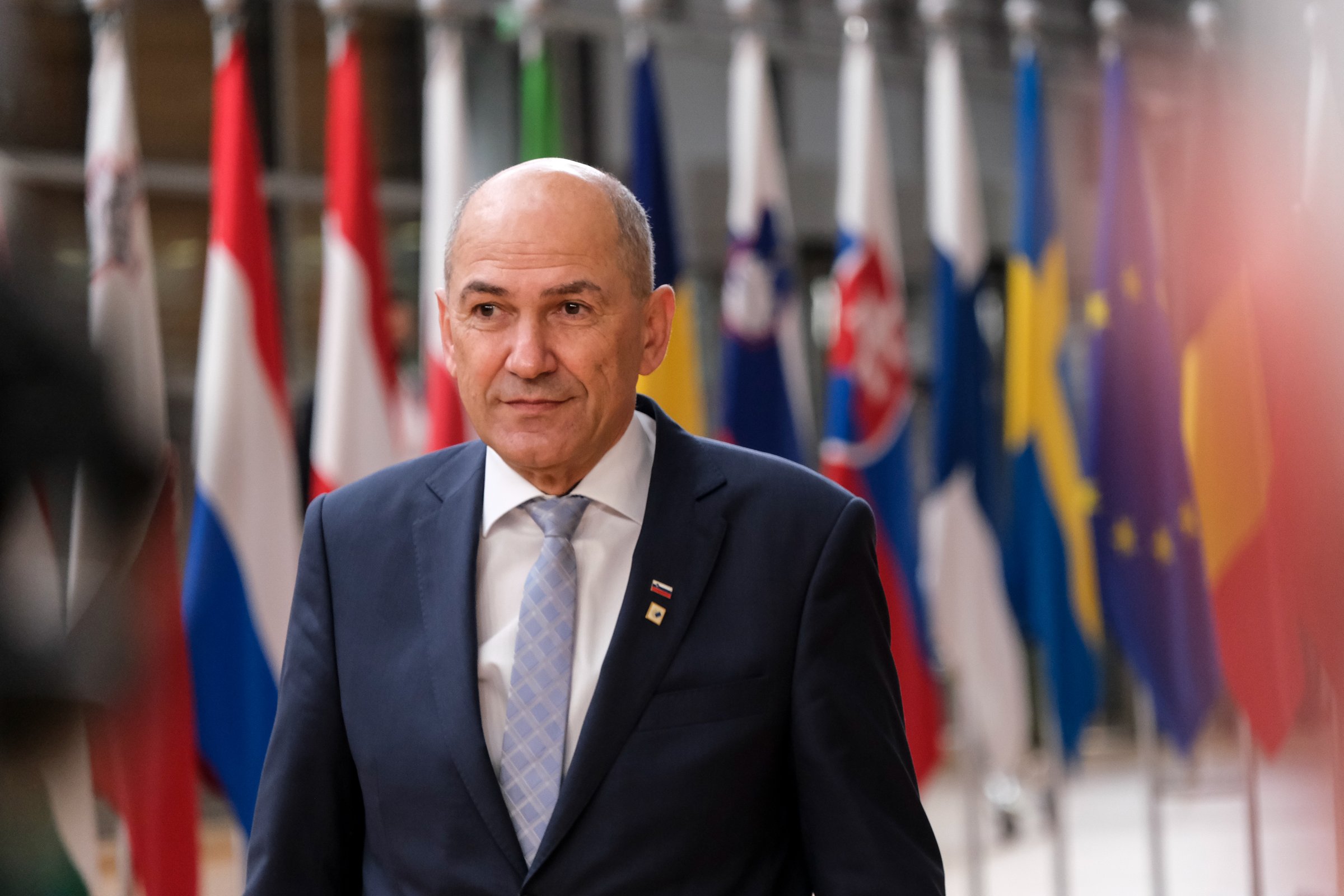
 The return of Slovenia’s ‘Prince of Darkness’: what to expect from Janša 4.0
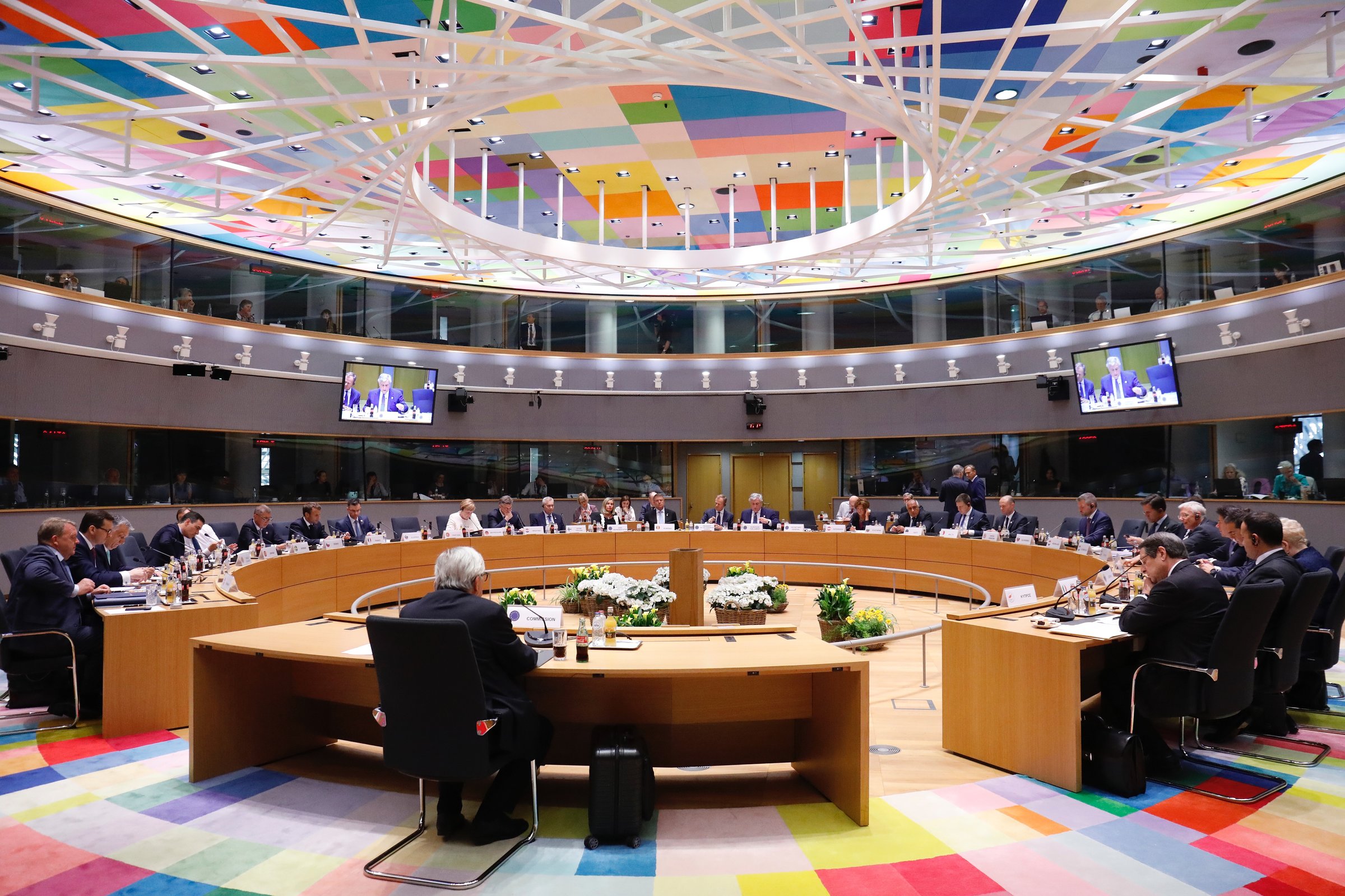
The European Council has a new, old problem: populist Janez Janša is back as prime minister, driving Slovenia further to the right and potentially becoming a new headache for Brussels.
Despite narrowly losing the March parliamentary elections to the liberal party, Janša’s Slovenian Democratic Party (SDS) managed to sign a coalition agreement with several centre-right groups in order to form a new government, securing his fourth term on 22 May.
He previously held office as PM from 2004 to 2008, again from 2012 to 2013 and yet again from 2020 to 2022.
And he has always been quite a controversial figure, with a CV featuring two spells in prison – in 1988 for exposing military secrets as a journalist (which was actually seen as a brave move) and in 2014 for a corruption conviction (that was later overturned).
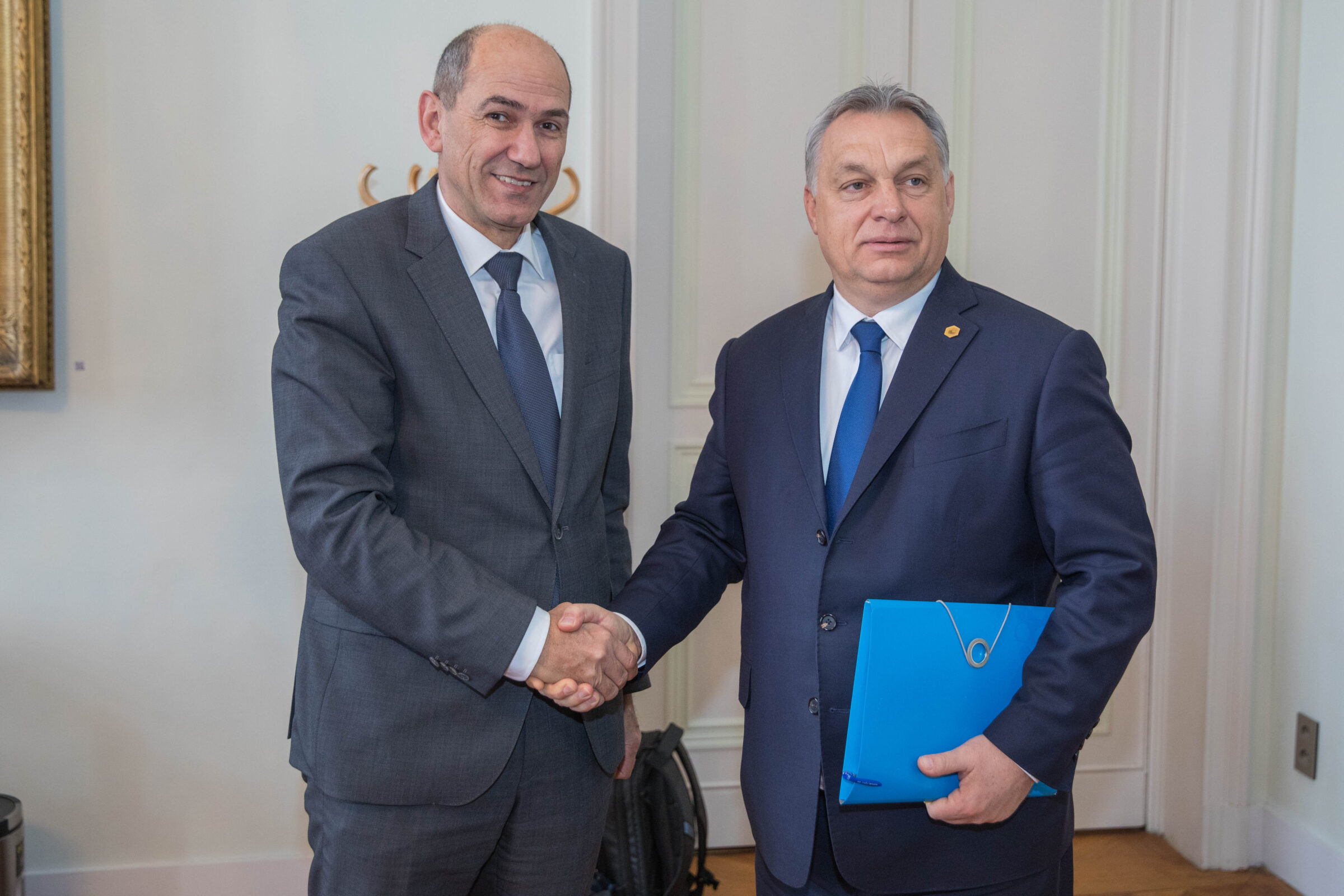
As a close ally of former Hungarian prime minister Viktor Orbán, ex-Polish PM Mateusz Morawiecki and America’s Donald Trump, he is known for his combative governing style in which free media, independent courts, and Brussels bureaucrats are all seen as enemies.
His Trump-like style on social media includes attempts to discredit independent media outlets (including EUobserver and Politico in 2021), and various insults to critical journalists – coining the term “presstitutes”.
Political analyst Miha Kovač told EUobserver back in 2022 that Janša has “talent to get into conflict with a wide variety of people.”
His fights on Twitter didn’t only target journalists but also MEPs.
During the 2021 Slovenian EU Council presidency, a delegation of European Parliament members arrived in Ljubljana to investigate Janša’s crackdown on media freedom. He not only refused to meet them, but also tweeted a picture of the 13 MEPs, labelling them as “Soros’ puppets”. Then Dutch PM Mark Rutte, now the Nato chief, called it “tasteless” at the time.
Back then, several media freedom organisations accused Janša of waging a war on domestic Slovenian media, withdrawing funding for several media critical of the government, and asphyxiating the Slovenian Press Agency (STA).
Last EU Council presidency shitshow
Personally, I will never forget the shitshow that many journalists (including myself) witnessed during the press trip in July 2021, at the start of the EU presidency. The only good thing was that we, reporters, actually had something to write about, because these press trips are often a PR exercise by national governments.
Janša was heavily pressed regarding his defence of Hungary’s controversial anti-LGBTI law, which had prompted the European Commission to open an infringement procedure and criticism from former Luxembourg PM Xavier Bettel (who is openly gay) and Rutte.
In Brdo, Slovenia, speaking to a group of journalists from European newspapers, including EUobserver, Janša said that imposing “imaginary European values” and applying double standards within the EU, while ignoring cultural differences and national competences, could ultimately lead to the bloc’s collapse.
The briefing also saw sharp questions regarding Slovenia’s delay in appointing its prosecutors to the European Public Prosecutor’s Office (EPPO).
But what really became a major point of contention during that first week of sunny July 2021 in Slovenia was that Janša tried to discredit local judges using a photo with socialist MEPs, prompting then socialist EU Green Deal chief Frans Timmermans to boycott the official “family photo” in protest.
Shortly after, Slovenia’s interior minister worsened the scandal by using the phrase “do not cast pearls before swine,” which journalists (and anyone following the story at the time) interpreted as a direct personal insult directed at Timmermans.
Against this backdrop, what can we expect from Janša 4.0?
‘Prince of Darkness’
Domestically, Janša’s new coalition has pitched to introduce more tax breaks, cut off direct state funding for non-governmental organisations (NGOs), reform the public broadcaster and limit the right to strike.
In Brussels, his nationalistic agenda is expected to clash with some European policies, particularly anything on climate, LGBTI or women’s rights. But some Slovenian politicians fear even more disruptive moves.
According to Slovenian socialist MEP Matjaž Nemec: “The new government might also seek the removal of Slovenia’s European commissioner Marta Kos — a move that could be seen as part of Janša’s long-running conflict with the Kos family”.
Meanwhile, Socialists and Democrats (S&D) in the European Parliament strongly oppose Janša and his rightwing government, which they describe as a “Trumpian Trojan horse,” urging the European People’s Party to expel Janša’s SDS party.
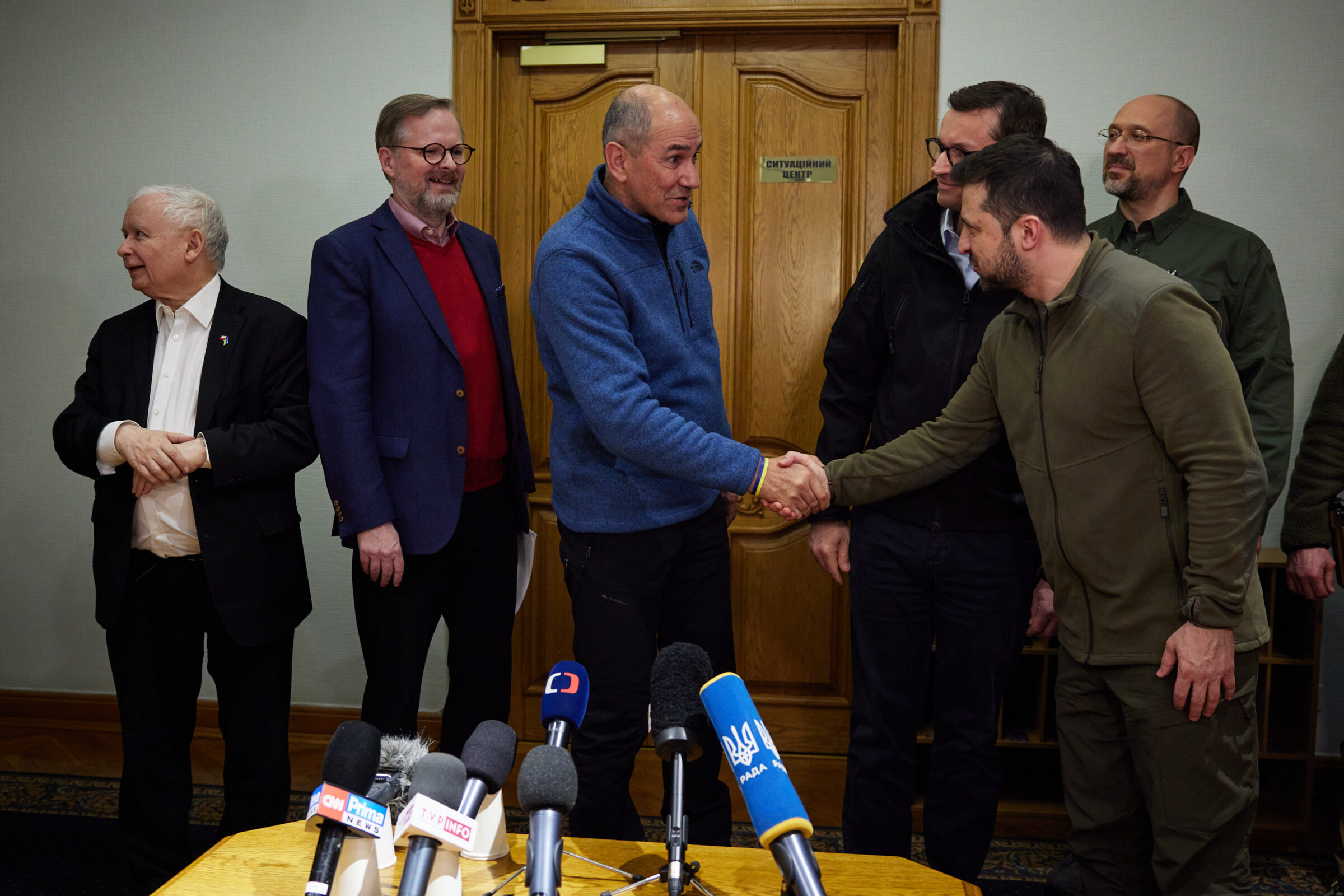
On foreign affairs, his government is expected to take a more openly pro-Israel stance.
His liberal predecessor, Robert Golob, was one of the most critical voices in Europe about the crimes committed by Israel in Palestine, alongside Spain and Ireland.
In a U-turn, Janša has called the recognition of Palestine “illegal” (hinting at a potential attempt to reverse the decision) and wants to move the Slovenian embassy from Tel Aviv to Jerusalem.
Unlike some other populist rightwing figures in Europe, Janša is expected to remain a firm supporter of Ukraine, strongly backing more EU sanctions against Russia. And he is also seen as a strong advocate of enlargement for both Ukraine and the Western Balkans.
But scepticism has also been fuelled by comments from Resni.ca party leader Zoran Stevanović, who was elected speaker of the Slovenian parliament with Jansa’s coalition support and has announced plans for a visit to Moscow.
Janša has gained many nicknames over the years, from ‘Marshal Tweeto’ to the ‘mini-Trump’ of Europe. But a Slovenian friend recently told me that in the country, he is also known as the ‘Prince of Darkness’ – a term that better describes his political soul. It was coined by the former president Janez Drnovšek to describe his dark and destructive style aimed at monopolising power and dividing society.
Hopefully, the Prince of Darkness will not become another structural headache for the European Union, now that Orbán is out of the picture.
But for sure, you will see more of Slovenia making headlines – and not always for good reasons.
 Elena Sánchez Nicolás
.jpg)
.jpg)