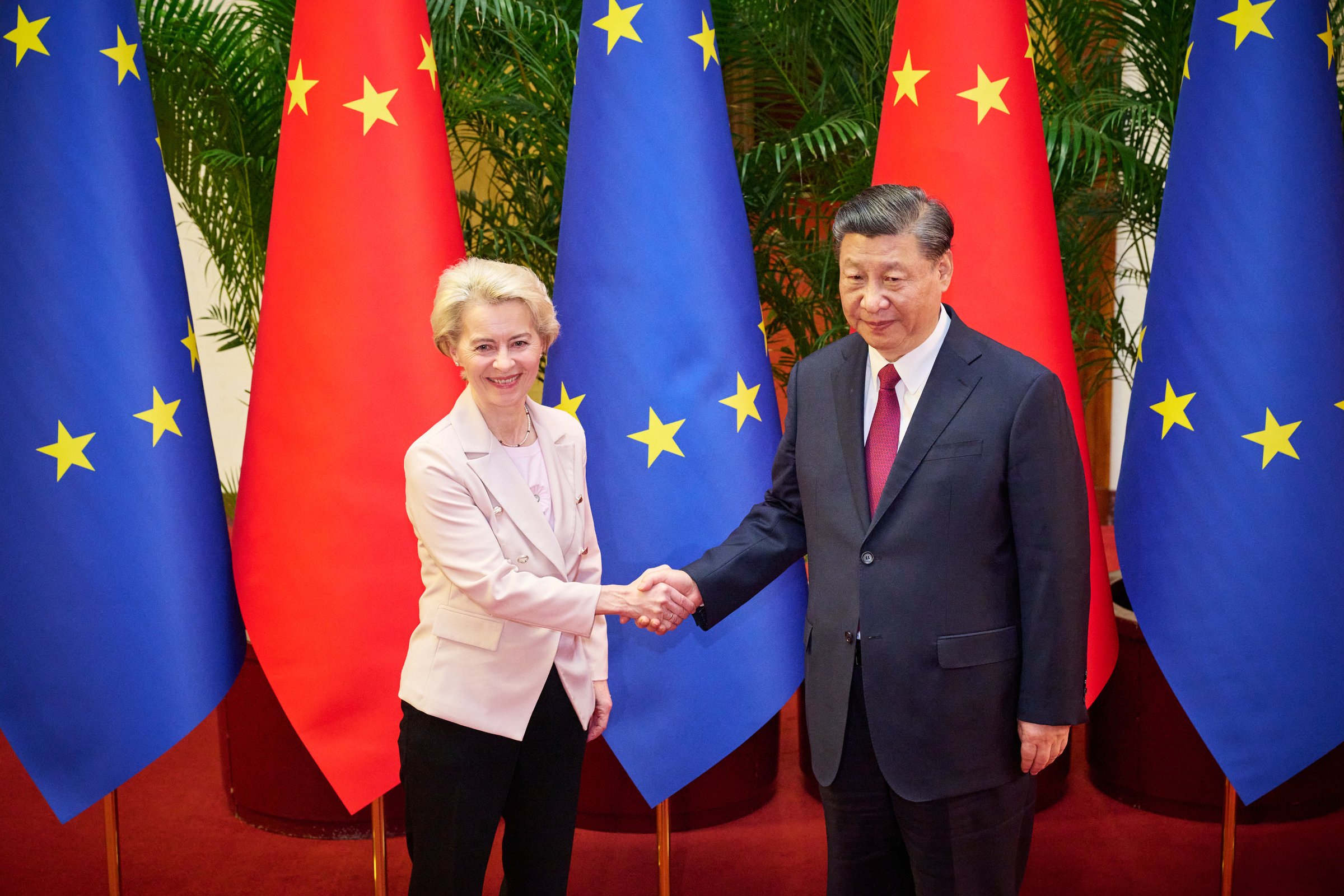
China has threatened “resolute countermeasures” if the European Union moves ahead with a trade instrument that Beijing says would impose discriminatory restrictions on its companies and products – in the latest round of the EU-Sino trade war.
The EU Commission has drawn up plans for a so-called “overcapacity instrument” that would allow the bloc to restrict Chinese access to market sectors that is due to be discussed by the college of commissioners next week (29 May).
Commission officials have said that China currently accounts for 30 percent of global production but just 13 percent of consumption.
The commission, which is also anxious to reduce what it describes as the EU’s “dependence” on foreign imports of products such as fertiliser, medicines and rare minerals, is also considering whether to propose legal changes that would force European companies to buy critical components from at least three different suppliers.
However, speaking at a press briefing in Beijing on Thursday (21 May), Chinese commerce ministry spokesperson He Yadong hit back remarking that “If we label trade surpluses as ‘overcapacity,’ then should EU’s exports of automobiles, pharmaceuticals, wine and cosmetics also be labeled as ‘overcapacity’?”.
“We urge the EU side to return to the right track of dialogue and consultation, and do things that are truly beneficial to the development of China-EU economic and trade relations,” He said.
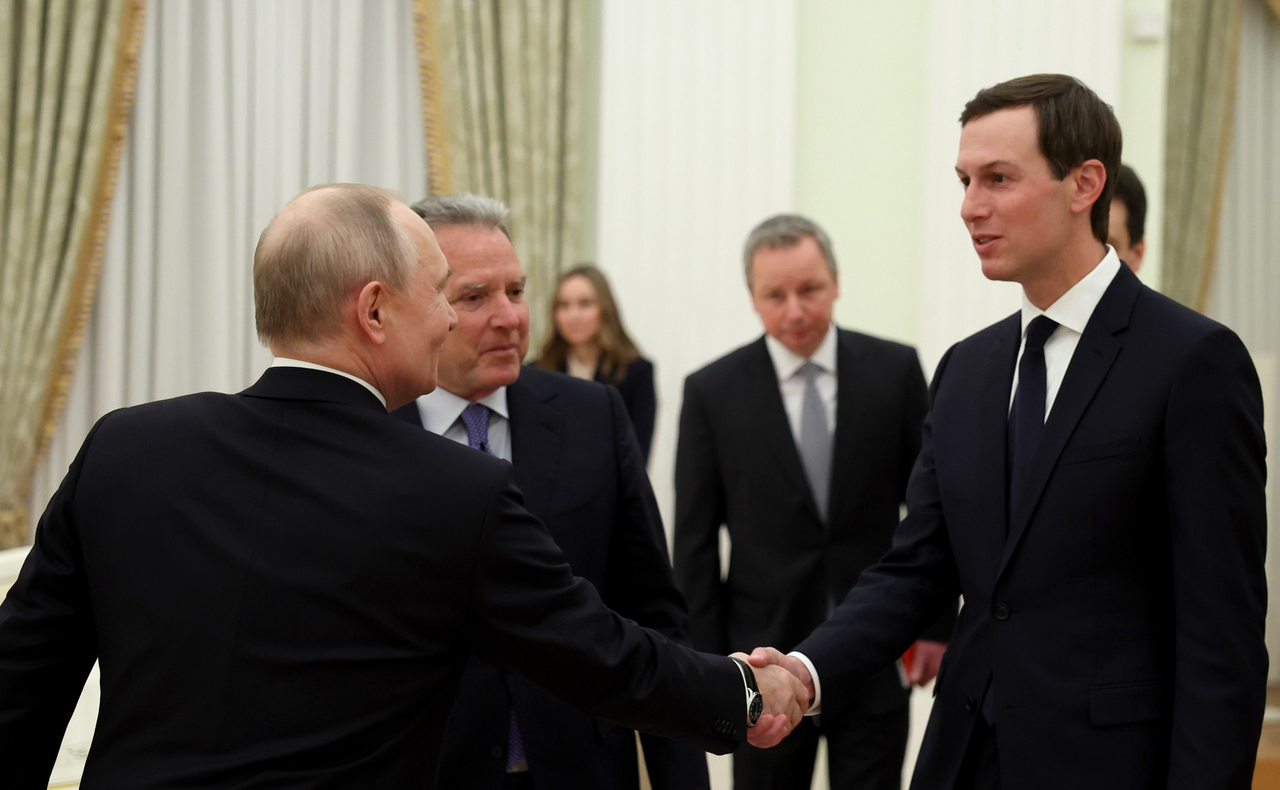
China’s president Xi Jinping hosted Russian president Vladimir Putin on Wednesday – just days after hosting US counterpart Donald Trump, where trade was also on the agenda.
While the EU’s trade relations with the Trump administration have been repeatedly strained over the past 18 months, its trade dispute with Beijing has lasted for several years across a handful of sectors, with little progress made across sectoral negotiations.
Beijing and Brussels’ ‘systemic rivalry’
For example, long-running talks between EU and Chinese officials on minimum pricing for China’s electric vehicles in exchange for the EU scrapping hefty tariffs of up to 35 percent have drawn a blank.
Similarly, the EU’s decision to slash steel imports by 47 percent this year was largely a response to what Brussels says is over-supply by China to reduce the ability of its European rivals to compete.
Despite the EU’s efforts to limit the effect of Chinese subsidies and preferential treatment for its firms, the bloc’s trade deficit with China increased to €360bn in 2025 and is set to widen further in 2026.
Last year, China’s trade surplus with Germany, the bloc’s main industrial power, doubled from $12bn (€11bn) to $25bn (€22bn)
At the EU-China conference last Friday, the EU’s ambassador to China, Jorge Toledo, said that the EU’s future relationship with China was currently one of “systemic rivalry” and that its future would depend on “whether European concerns are taken seriously: on market access, subsidies, industrial capacity, critical raw materials, security, human rights, and China’s position on Russia’s war of aggression against Ukraine.”
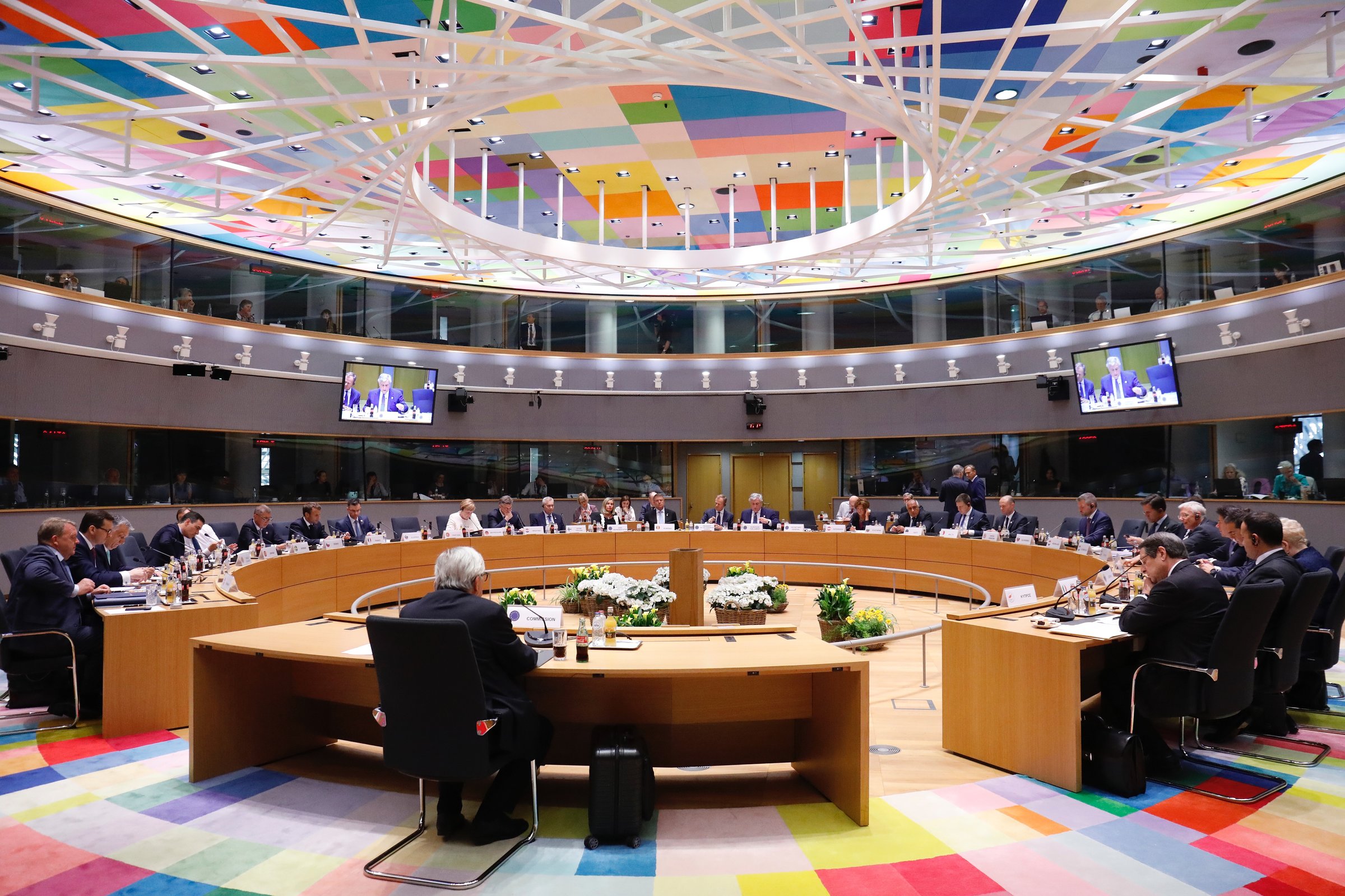
 Inconclusive – will EU leaders miss the chance to get tough on China?


 Benjamin Fox