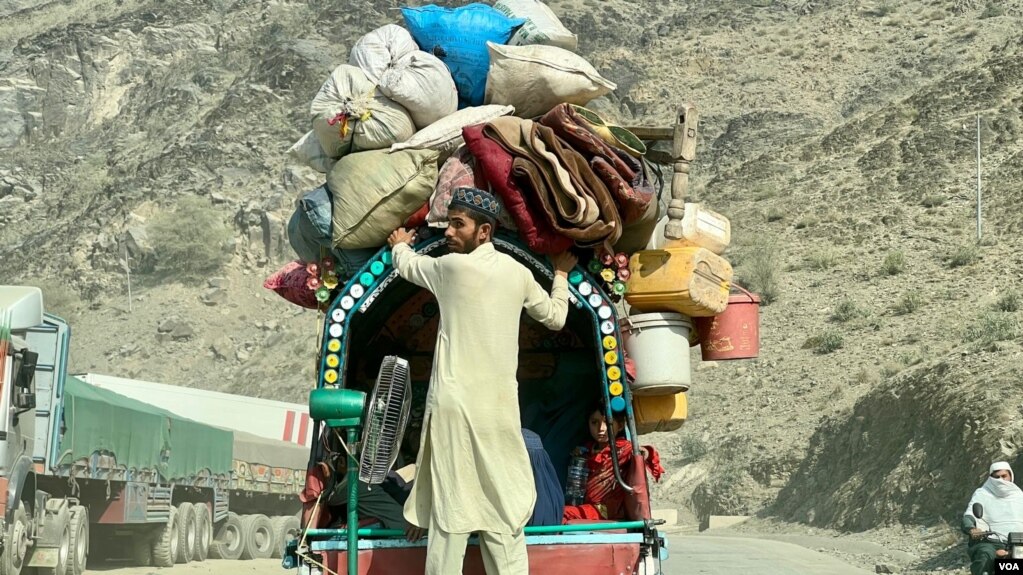
Forcing people to return to Afghanistan has been widely condemned by human rights groups – as the European Commission invites the Taliban to Brussels to discuss such controversial deportations.
The commission insists such deportations concern only Afghan nationals deemed a security threat and who have no right to remain in Europe.
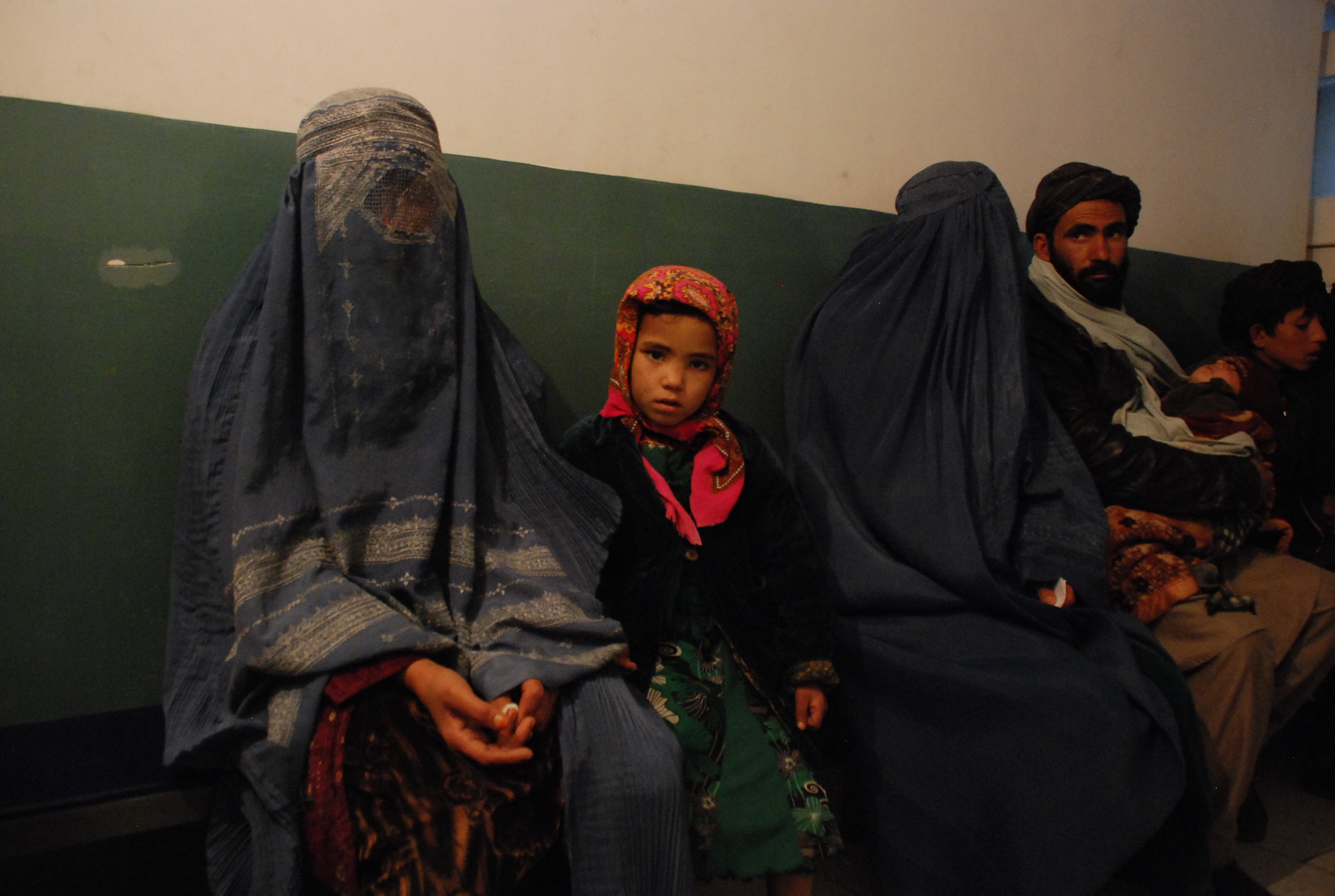
“It is deeply alarming that discussions are taking place about deporting Afghans back to Taliban-controlled Afghanistan while the International Criminal court has issued arrest warrants against Taliban leaders and while millions of Afghans, especially women and girls, are living under institutionalised persecution,” said Reshad Jalali from the Brussels-based European Council on Refugees and Exiles.
Speaking to EUobserver, Jalais said such proposed Afghan deportations “risk making the EU complicit in exposing people to danger and abuse.”
The plight of Afghans seeking refuge in the EU points to the dangers they face in a country ruled by an authoritarian regime not recognised by any EU member state.
Last year alone, Afghans accounted for just over 98,000 refugees spread across the EU – with most finding a home in Germany, according to the EU’s statistical office Eurostat.
In February, Afghan nationals ranked second-highest in terms of first-time applicants (4,325), just behind Venezuelans.
Most of those denied protection are young men who would likely face arrest upon arrival back in Kabul.
However, member states have long been lobbying the EU for a solution to the flow of migration, often deporting Afghan nationals back to their first point of arrival in Europe.
Yet authorities in first-entry EU member states cannot deport Afghan asylum seekers to a country whose government is not recognised by the EU since the 2021 Taliban return to power.
To work around the problem, the commission sent Johannes Luchner, a senior official in its home affairs wing, to Kabul in January.



 Gaia Neiman