As the US-Israeli war drags on and the Strait of Hormuz has remained effectively blocked for nearly two months, the economic costs are starting to add up.
The disruption has already added around €500m a day in extra energy costs since the start of the conflict, according to EU commission estimates, on top of the bloc’s €337bn annual fossil fuel bill.
Stocks of certain fuels, notably diesel and jet fuel, are dwindling and could run dry in an extreme scenario if the gulf remains closed for months more.
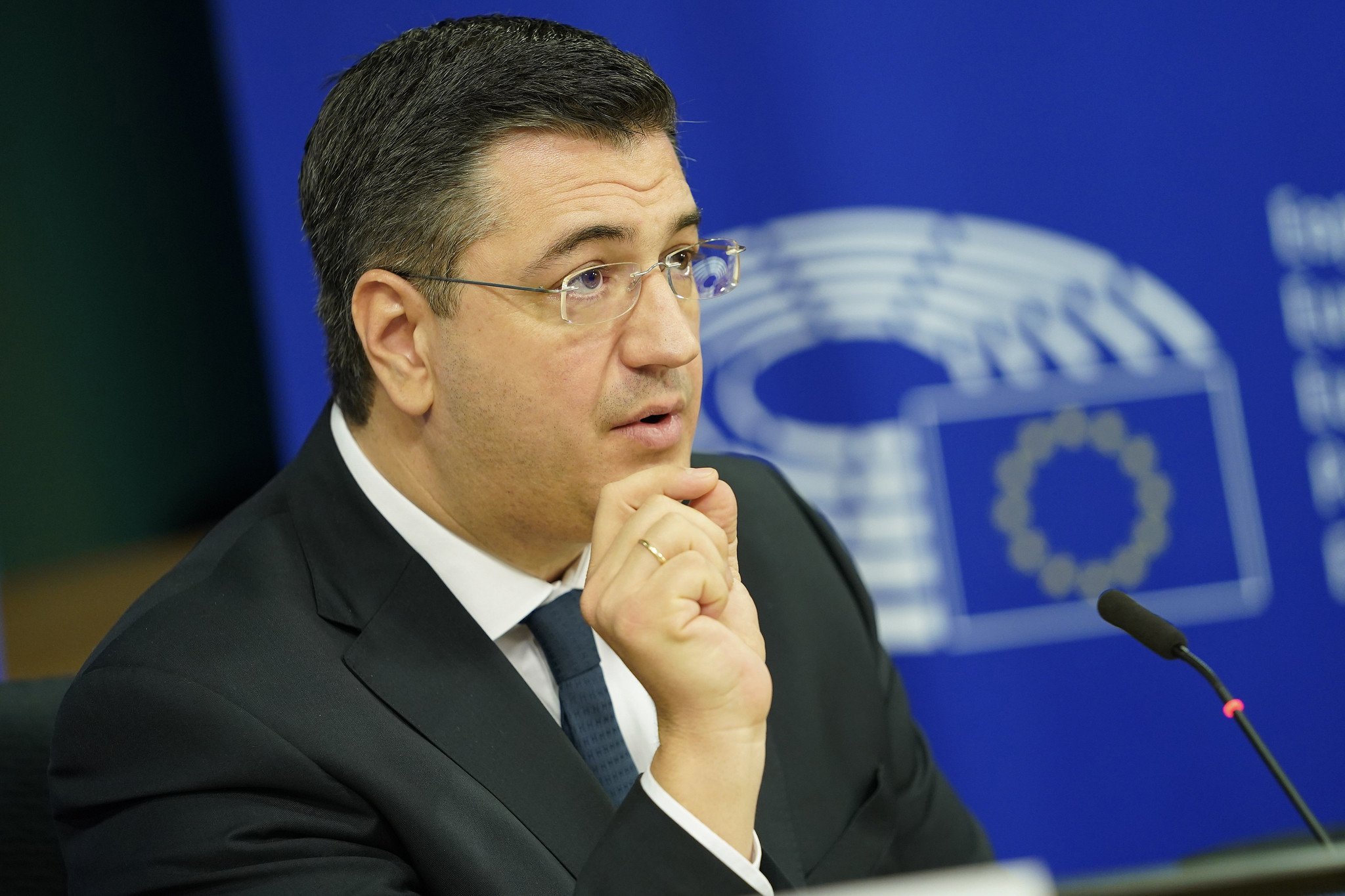
“Without a return to permanent freedom of navigation, the consequences will be catastrophic,” transport commissioner Apostolos Tzitzikostas told the press after a meeting with EU transport ministers on Tuesday (21 April), where they discussed emergency plans.
The aviation sector was singled out as especially vulnerable.
Jet fuel stocks are already “under pressure” in parts of Europe, the commissioner said, pointing to heavy reliance on Gulf imports.
There is “no evidence” of actual shortages for now, but he stressed that “we have to be prepared”.
The International Energy Agency’s Fatih Birol recently warned the EU may have as little as six weeks of jet fuel left under current conditions.
Ministers on Tuesday did agree to step up monitoring of fuel flows. A new fuel observatory will track stocks and flows, starting with jet fuels.
Any release of strategic reserves will be coordinated at EU level.
Despite supply stress, Tzitzikostas said there is “no need at this point to intervene in how people live, work or travel” when asked whether any measures would be taken to curb fuel demand.
Europe remains “ready to welcome all tourists” this summer, he added, calling it “a safe and beautiful place to visit”.
In the event of cancellations caused by physical fuel shortages, however, airlines would not be required to compensate passengers, he also said.
AccelerateEU
The Greek commissioner’s remarks contrasted with a broader commission plan, “AccelerateEU”, to be presented on Wednesday, which aims to reduce fossil fuel demand and speed up electrification.
“In a situation of scarcity, the goal should be to reduce consumption, not increase it,” commission vice-president Dan Jørgensen, who oversees the plan, said in an interview published on Tuesday.
The 17-page plan, which was leaked last week, includes measures to coordinate gas storage, oil stock releases and outreach to supplier countries.
With that, Brussels wants to avoid a repeat of 2022, when member states competed for limited gas supplies, which pushed prices to historic highs.
![[Interview] ‘Some of the resistance comes from people fearing they’ll end up without a job,’ says industry expert on Europe’s slow electrification](https://static.euobserver.com/2026/07/anja-van-de-gronde-PY7r5dJ_v-Y-unsplash-2400x1602.jpg)
![[Interview] The US Democrat trying to convince Brussels to stand up to Trump on methane](https://static.euobserver.com/2026/07/Captura-de-Pantalla-2026-07-13-a-las-18.28.15.png)

 Missing the wood for the trees – the EU’s unloved deforestation law reaches endgame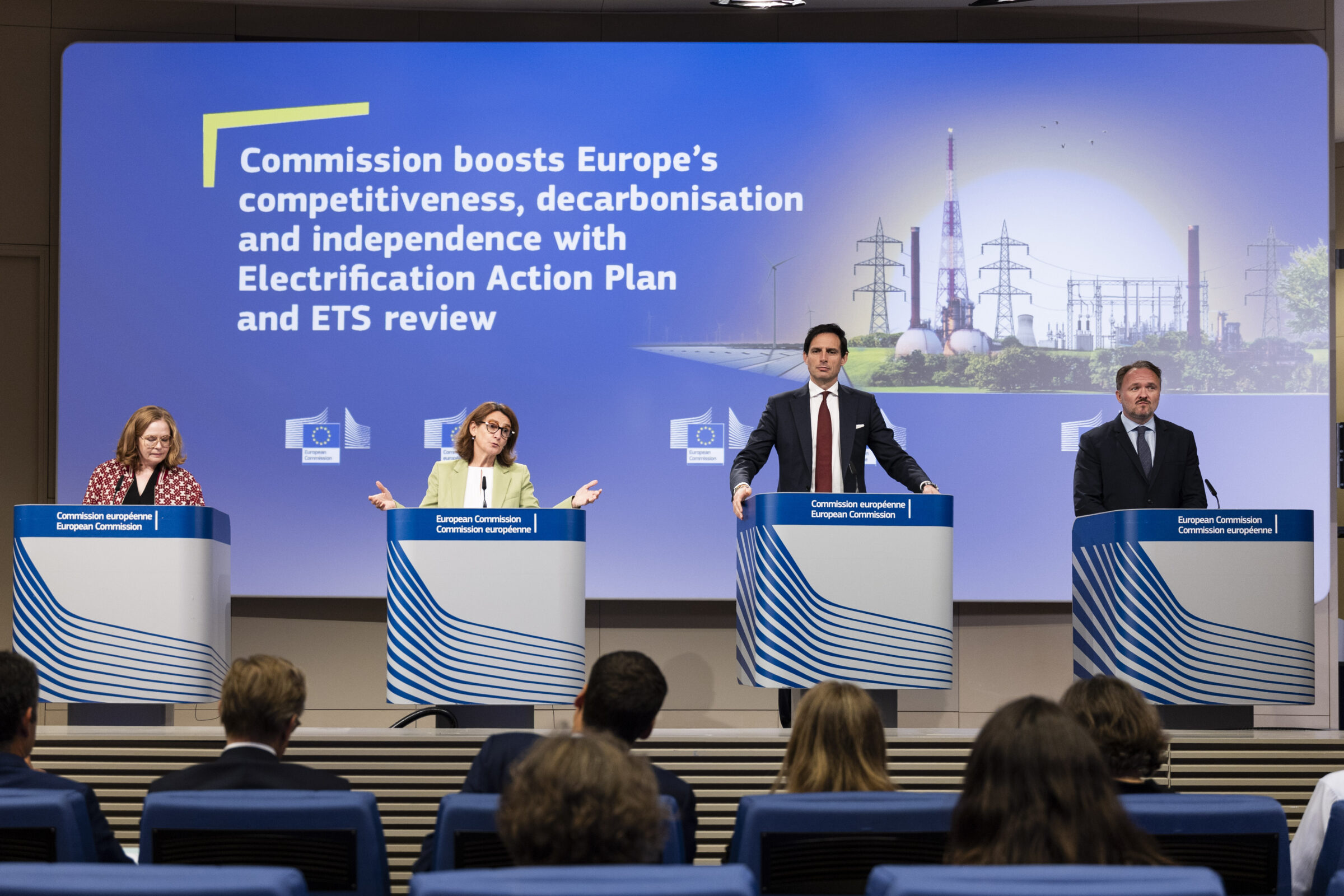
 Wester van Gaal