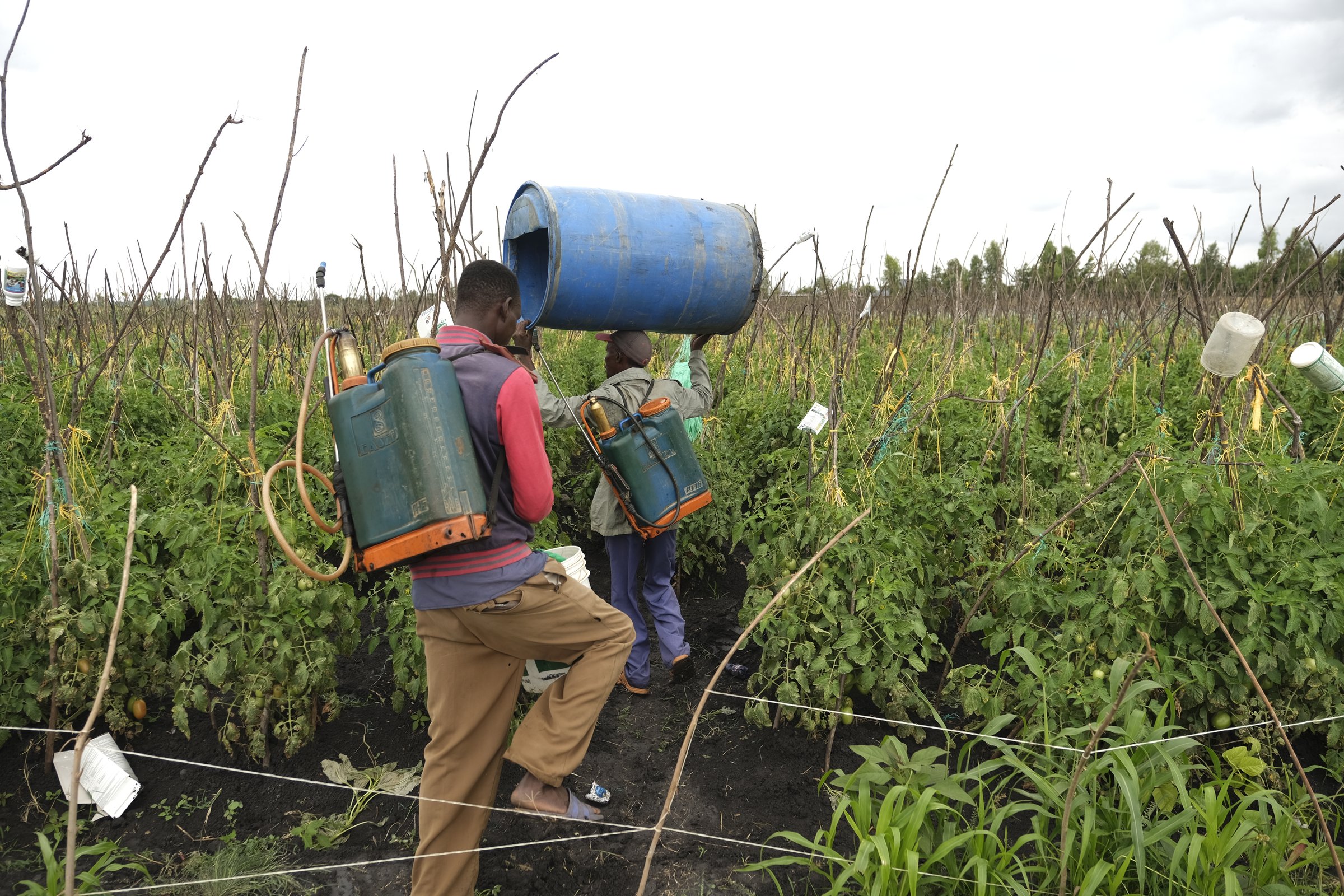
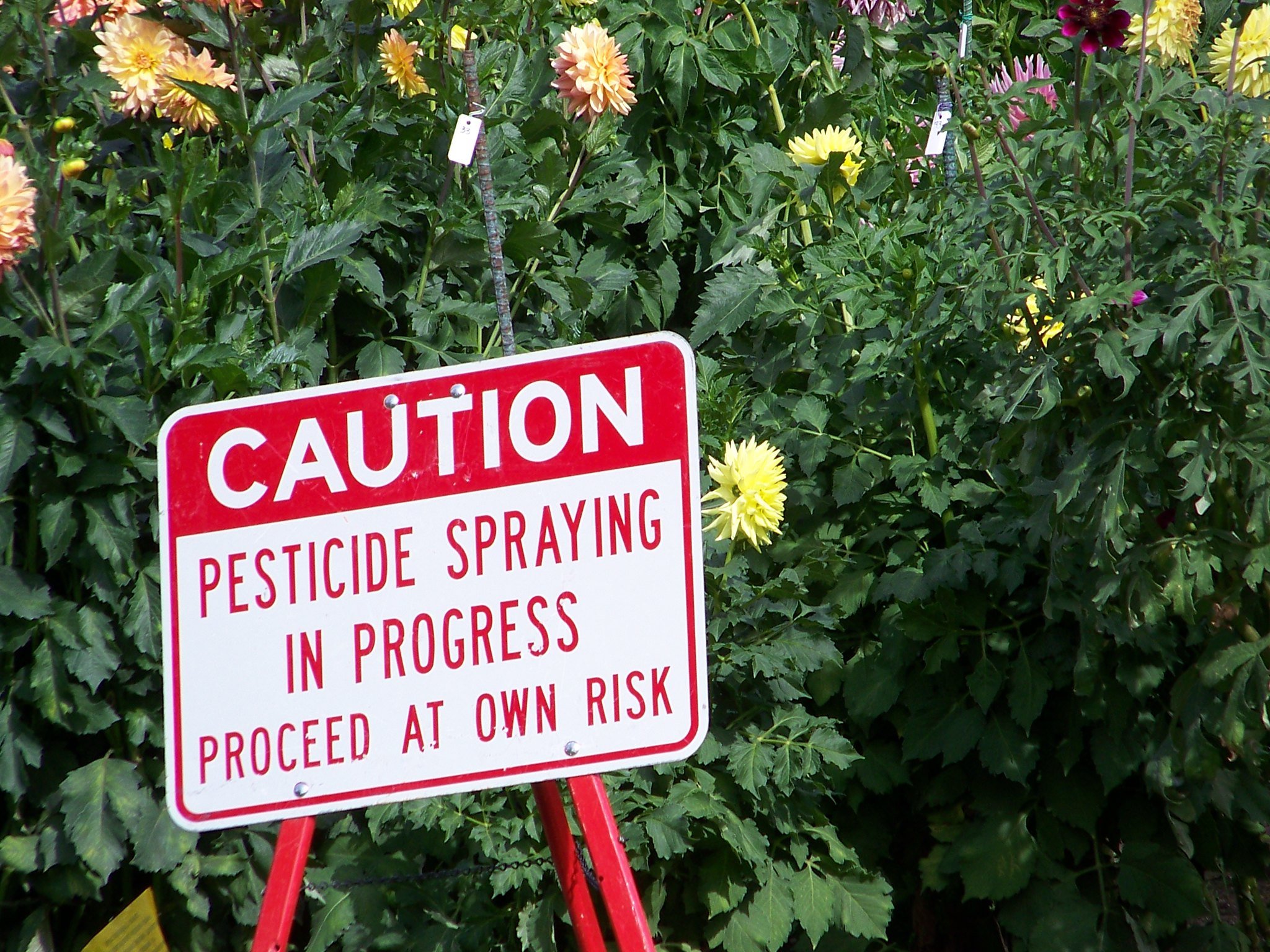
A panel of South African judges have urged the EU to ban chemicals and pesticides which have already been banned within the bloc from being exported overseas, at a hearing of the European Parliament’s human rights committee on Wednesday (18 March).
That is one of a series of recommendations made to MEPs by the South African people’s tribunal on agrotoxins, led by judge Navi Pillay, a former United Nations High Commissioner for Human Rights.
The panel also urged the South African government to make a comprehensive reform of its pesticide governance system, including modernising laws that date back to 1947, harmonising regulatory responsibilities and phasing out highly hazardous pesticides.
The panel also called for better protection, training and safety equipment for farm workers.
The question of European made chemicals and pesticides that are banned for use in the EU being sold instead to other markets, particularly Africa, Asia and Latin America, has become increasingly controversial in the EU and abroad.
“For decades the use of agrotoxins in food production has been taken for granted in South Africa,” said Pillay, who told MEPs that the deaths in 2024 of six children in Johannesburg from exposure to Terbufos, a highly hazardous organophosphate pesticide, had prompted a rethink of pesticides policy by the South African government.
Terbufos, which is manufactured by the American Vanguard Corporation (AMVAC), was banned last year in South Africa, but dozens of other US and EU made chemicals and pesticides, which are banned in Europe, are exported to South Africa and other African states.
The EU Commission, which is currently negotiating a new trade and investment deal with South Africa, is certainly aware of the problem.
One of the recommendations made following the ‘strategic dialogue on the future of EU agriculture,’ one of a handful of industry reviews initiated by commission president Ursula Von der Leyen, was for EU countries to stop exports of EU banned hazardous pesticides to countries with less stringent regulations.
There are similar problems in other African countries. Last year, a report by Swedwatch, a Swedish NGO, and the Kenya Organic Agriculture Network, earlier this month reported rising cancer rates in rural Kenyan communities and several deaths of farm workers from poisoning after being exposed to chemicals and pesticides.
Last November, meanwhile, justices began the first stages of a potentially landmark lawsuit which seeks to ban multinational manufacturers and local distributors of pesticides from putting toxic chemicals banned in Europe into the Kenyan market.
The lawsuit aims to ban glyphosate, Paraquat, Imidacloprid, Clothianidin, Fipronil, chlorpyrifos, thiacloprid, thiamethoxam, fenitrothion, and dinotefuran, according to court papers, with Monsanto Kenya, Bayer East Africa, Twiga Chemical Industries, Syngenta Agrochemicals, and BASF East Africa all named in the suit.
South African wine and fruit, Kenyan produce
The EU exports more than 120,000 tonnes of pesticides per year that were banned on European farms.
EU rules require that any firm wishing to export chemicals which are banned across the EU-27 needs to produce an 'export notification' detailing the reasons the product is banned, its intended uses and the amount the company intends to ship.
But since the EU is a major importer of South African wine and fruit and Kenyan produce, the exports also poses a problem for Europe customs officials who are expected to intercept imports containing residues of banned chemicals.
Earlier this week, the Kenyan government reported that its earnings from fruit and vegetable exports to Europe dropped by 68 percent last year, citing an increase in intercepts and seizures.
The commission has also been working on an impact assessment on a blanket ban on such chemicals for five years, but is still yet to report.
Environmental activists have also attributed the commission’s slow progress to the lobbying power of the German chemicals industry.
 The EU finds itself Trumped in north Africa

 Russia is likely preparing for a massive autumn mobilisation of over a million soldiers (Ukraine Battlefield update, Day 1,589)
 Benjamin Fox