“Despite everything, I continue my journalistic work with the same passion and determination as ever. Yet I must admit that I have never felt more exposed or vulnerable.”
These are the words of Italian investigative journalist Sigfrido Ranucci after he was targeted with a car bomb at his home near Rome.
While no one was harmed, the assassination attempt was a loud and explosive example of the threats still facing journalists across Europe.
2025 marked the 10th anniversary of the Council of Europe’s platform to promote the protection of journalism and safety of journalists, a joint initiative with media freedom and journalist organisations that tracks and posts alerts related to attacks on journalists and media freedom across Europe and helps push for their protection directly with state authorities.
Since the platform’s inception and by the end of 2025, more than 2,300 alerts have been lodged in over 40 countries.
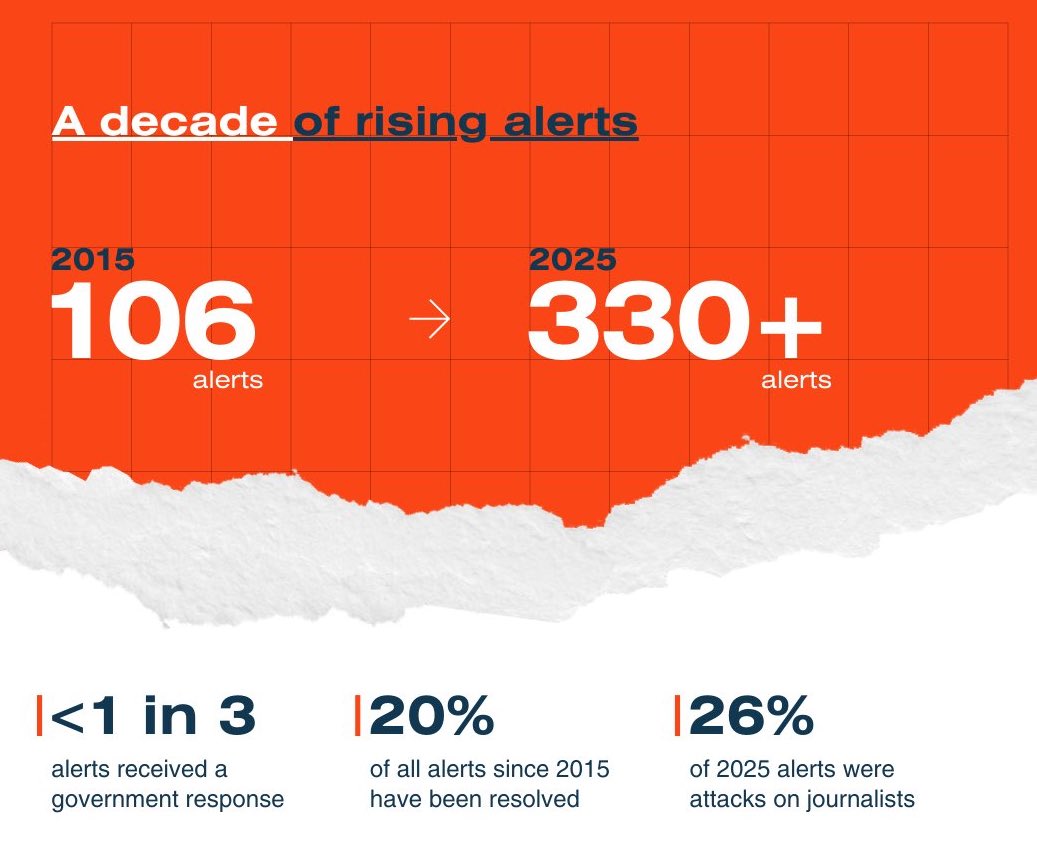
The platform paints a dire picture across the continent, one that has been declining over the last decade. In the platform’s first year, 106 alerts were filed. By 2025, that number has more than tripled.
In 2025, press freedom in Europe remained under severe strain, with impunity persisting: fewer than one-in-three alerts to the platform received a government response, and only 20 percent of alerts lodged since 2015 have been resolved, exposing a systemic failure of accountability.
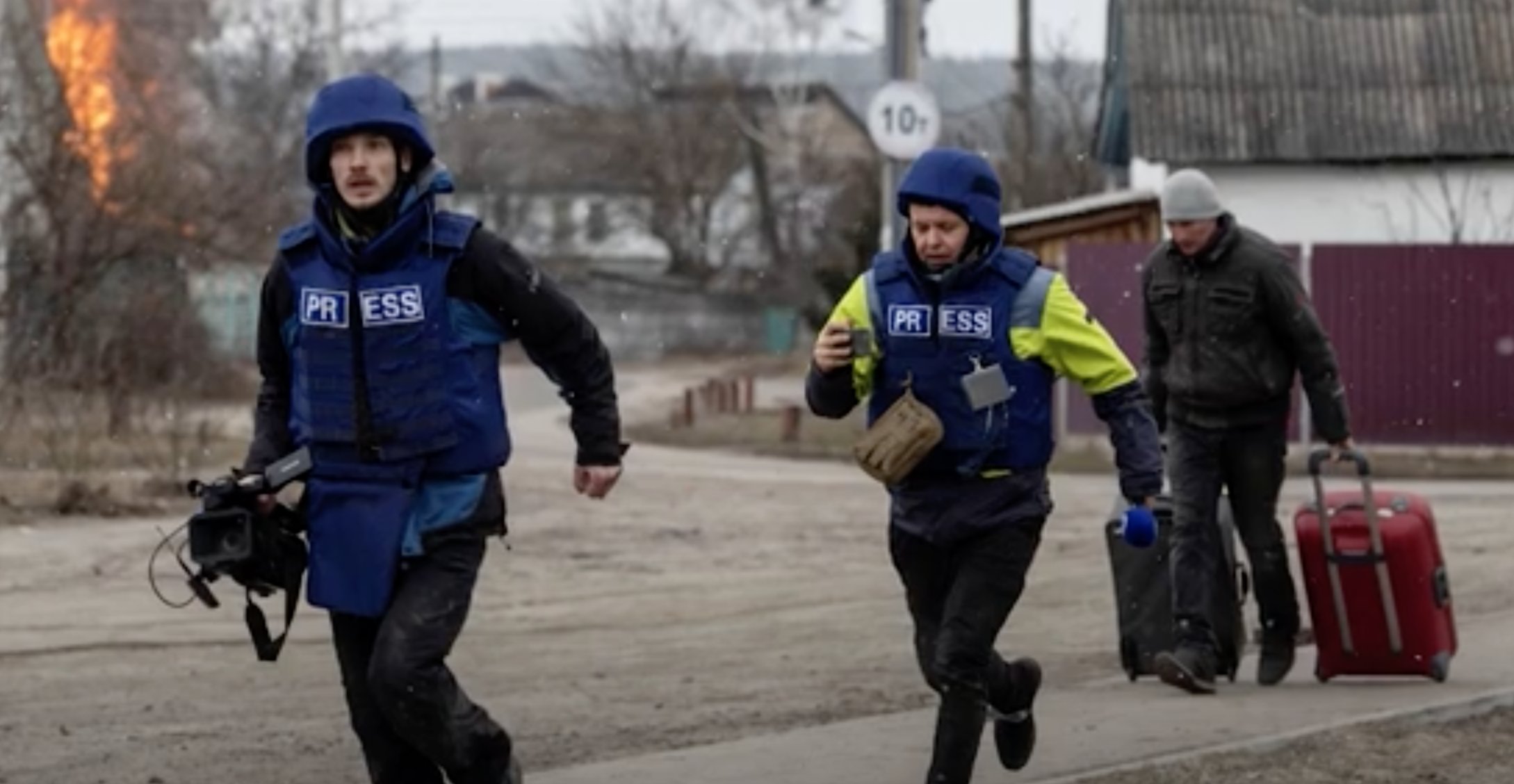
To put it in focus, in Europe (Israel-Gaza is outside the geographical scope of the platform), Russia’s war against Ukraine posed the gravest threat in 2025, with four media workers killed, and many more injured, detained or disappearing in Russian-controlled areas, while repression within Russia intensified, including convictions in absentia of exiled reporters.

Georgia, Serbia, Turkey
But, more broadly across the entire Council of Europe region, journalists have been jailed on spurious charges and impunity persists.
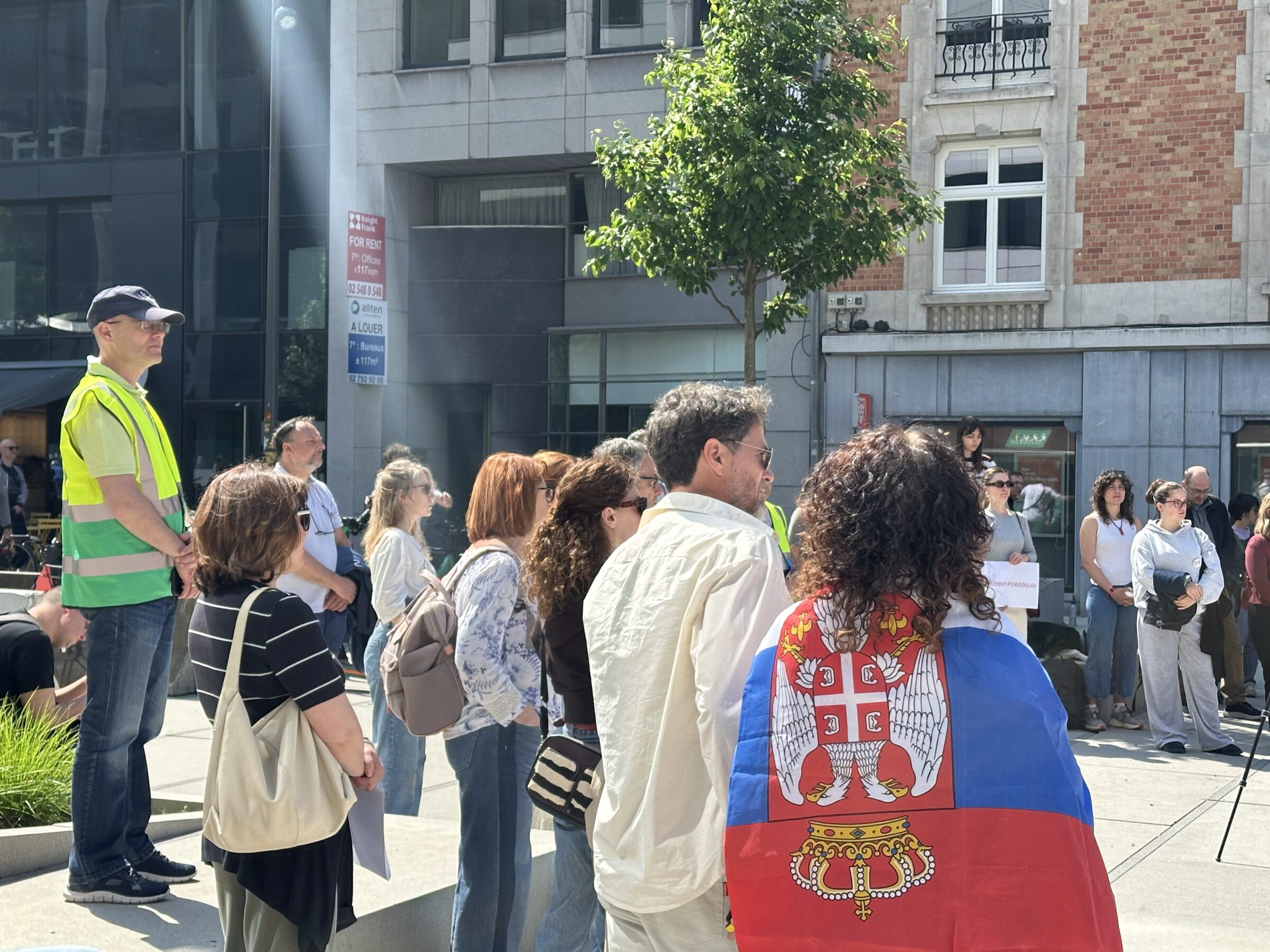
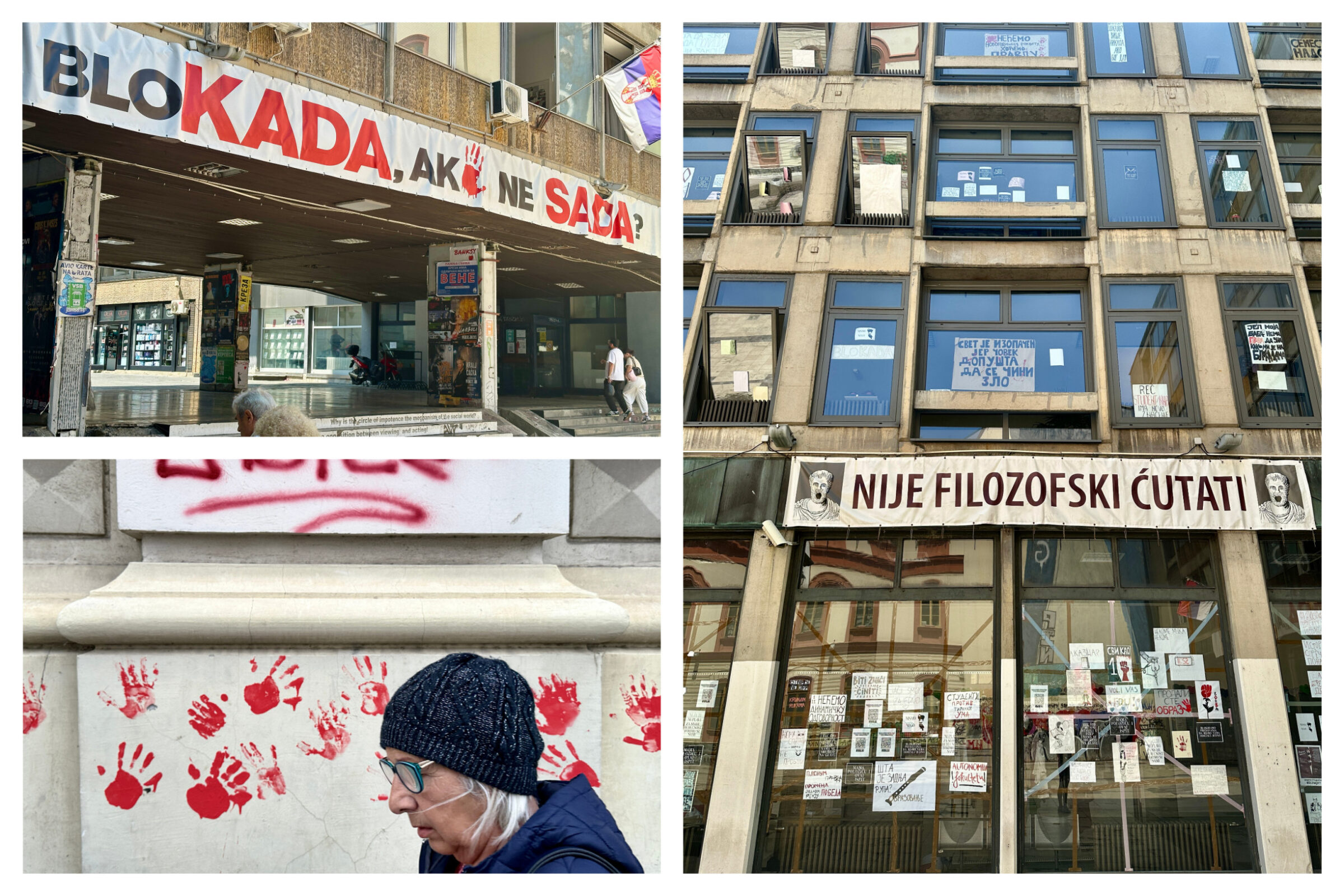
Safety risks were widespread. Protest-related incidents were recorded in at least a quarter of participating states, with high levels of physical attacks in Georgia, Serbia and Turkey.
Journalists faced violence from police, political actors and demonstrators, alongside escalating online harassment, coordinated intimidation and unlawful surveillance, particularly targeting women journalists.
Legal pressures also mounted through abusive defamation claims, “foreign agent” laws and persistent SLAPPs aimed at silencing investigative reporting.
These developments coincided with deepening media capture, eroding pluralism and mounting political and financial pressure on public service media, while precarious working conditions and the disruptive impact of AI further destabilised the sector.
Structural foundations crumbling
At the same time, the structural foundations of media freedom are being steadily eroded.
Public service media in several European states face political interference and financial instability, undermining their ability to fulfil their democratic role. The same erosion of independence can also be seen in courts, regulators and public advertising authorities.
Yet strong institutions such as public service broadcasters are not a luxury, they are instruments of democratic resilience. When trusted journalism is weakened, disinformation thrives, polarisation deepens, and public trust fractures further.
The erosion of media freedom both reflects and accelerates the broader breakdown of the rule of law and confidence in the international rules-based system.
A decade of platform data also exposes a troubling gap between rhetoric and reality. In 2025, fewer than one-in-three alerts received any official response from governments. Since the platform’s launch in 2015, only around 20 percent of alerts have been resolved.
This gap between promises and practice is no longer defensible. It reveals a failure to translate legal commitments to uphold media freedom safeguards into real-world protection for those on the front lines of democratic accountability.
Responding to alerts, resolving cases and addressing systemic problems should be the rule, not the exception.
States cannot claim ignorance, nor a lack of tools. The legal and policy frameworks exist.
EU measures such as the European Media Freedom Act (EMFA) and the Anti-SLAPP Directive, alongside Council of Europe standards and recommendations, provide a strong foundation.
But these measures matter only if they are enforced consistently, independently and in good faith. While laws that remain on paper do not protect journalists facing threats, harassment, or violence, they do remind us of the distance between intention and action, and ultimately the failure of protecting European democracy.
The downward spiral is not inevitable but reversing it will require far more than statements of concern. Journalists and media workers require action. Council of Europe member states must act decisively to turn commitments into protection.
Every unanswered alert, every journalist left to face intimidation alone, and every further erosion of media freedom weakens democracy itself. On the platform’s 10th anniversary, Council of Europe member states must move from warnings to action.
After all, the independent media is among the surest ways to ensure democracy’s survival.
As well as the authors, this op-ed in on behalf of the European Federation of Journalists, the International Federation of Journalists, the Association of European Journalists, ARTICLE 19, Reporters without Borders, the Committee to Protect Journalists, Index on Censorship, the International Press Institute, the International News Safety Institute, Rory Peck Trust, the European Broadcasting Union, PEN International, the European Centre for Press and Media Freedom, Free Press Unlimited and the Justice for Journalists Foundation.

 A victory for publishers over Big Tech (if only it had happened five years ago)