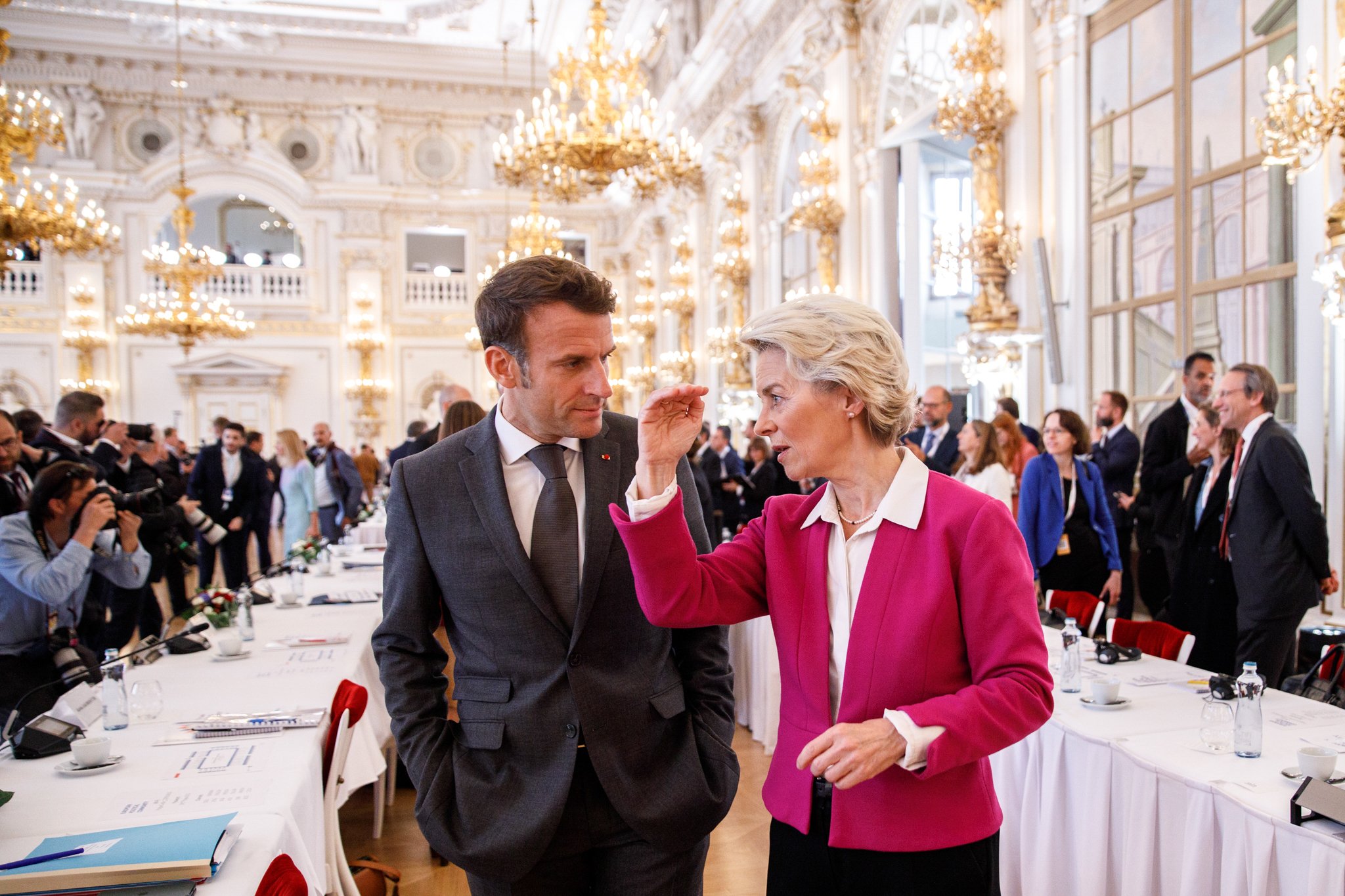
The EU’s trade agreement with Mercosur, a bloc of six South American countries, was finally given the green light following a vote by ambassadors in Brussels on Friday (9 January) — despite continued opposition from France.
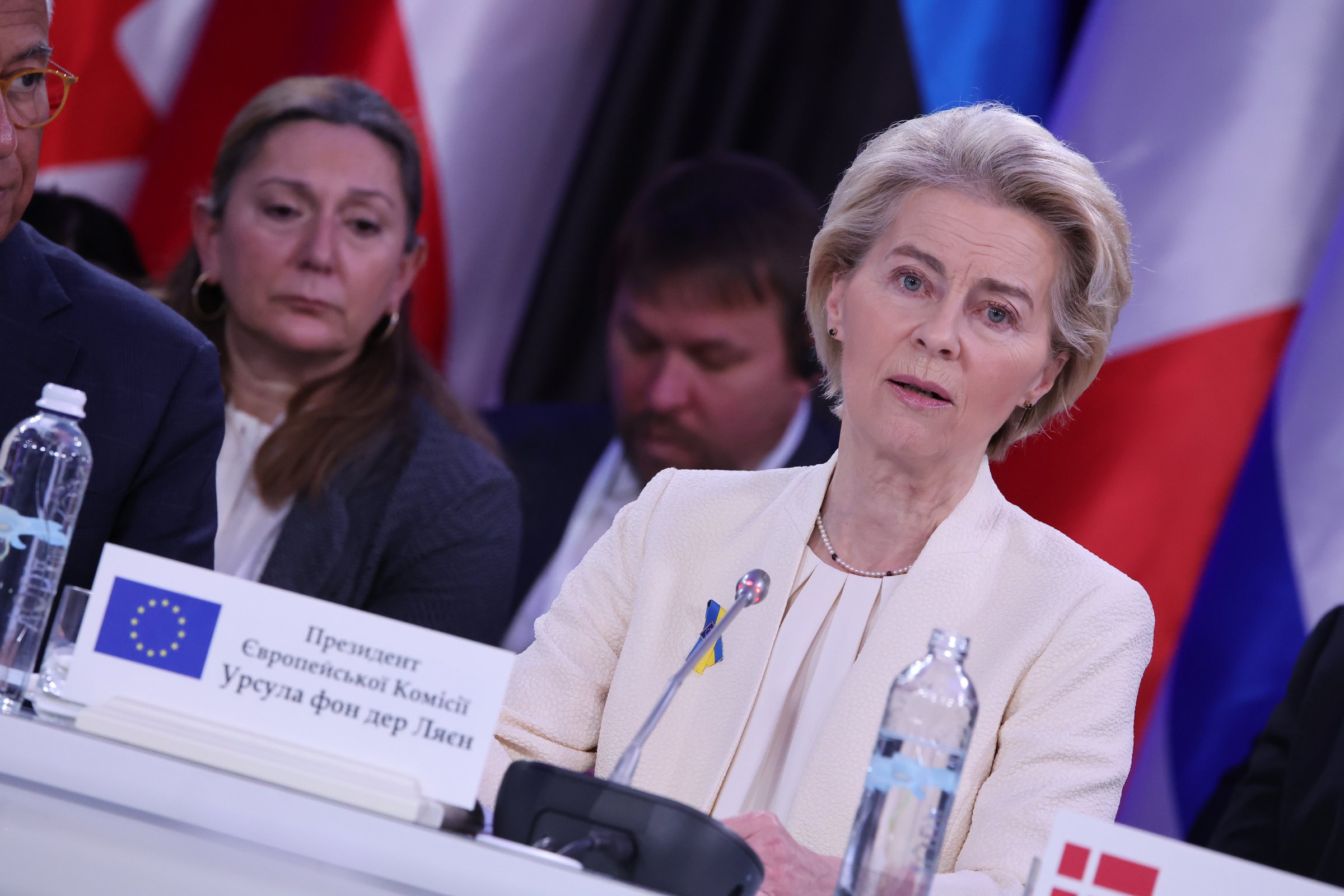
The vote is a major boost for Ursula von der Leyen’s EU Commission, which said that the bloc’s credibility as a reliable trading partner would be jeopardised if the trade pact, which has taken more than 20 years to negotiate, was blocked at the 11th hour.
But the path to agreement has not been easy.
Paris was the most significant of a group of nay-sayers, which also included Poland, Ireland and Hungary.
EU officials have ensured that the trade deal, over which the EU has exclusive competence under the treaties, only required a qualified majority among EU states. The agreement will now face a ratification process in the European Parliament.
The vote is, however, a major diplomatic defeat for French president Emmanuel Macron, who spent much of last year seeking to rally a blocking minority.
Under qualified majority voting, a law or trade deal must have the support of at least 15 out of the 27 EU member states, with these states representing at least 65 percent of the EU’s population.

 Russia is likely preparing for a massive autumn mobilisation of over a million soldiers (Ukraine Battlefield update, Day 1,589)
 Benjamin Fox