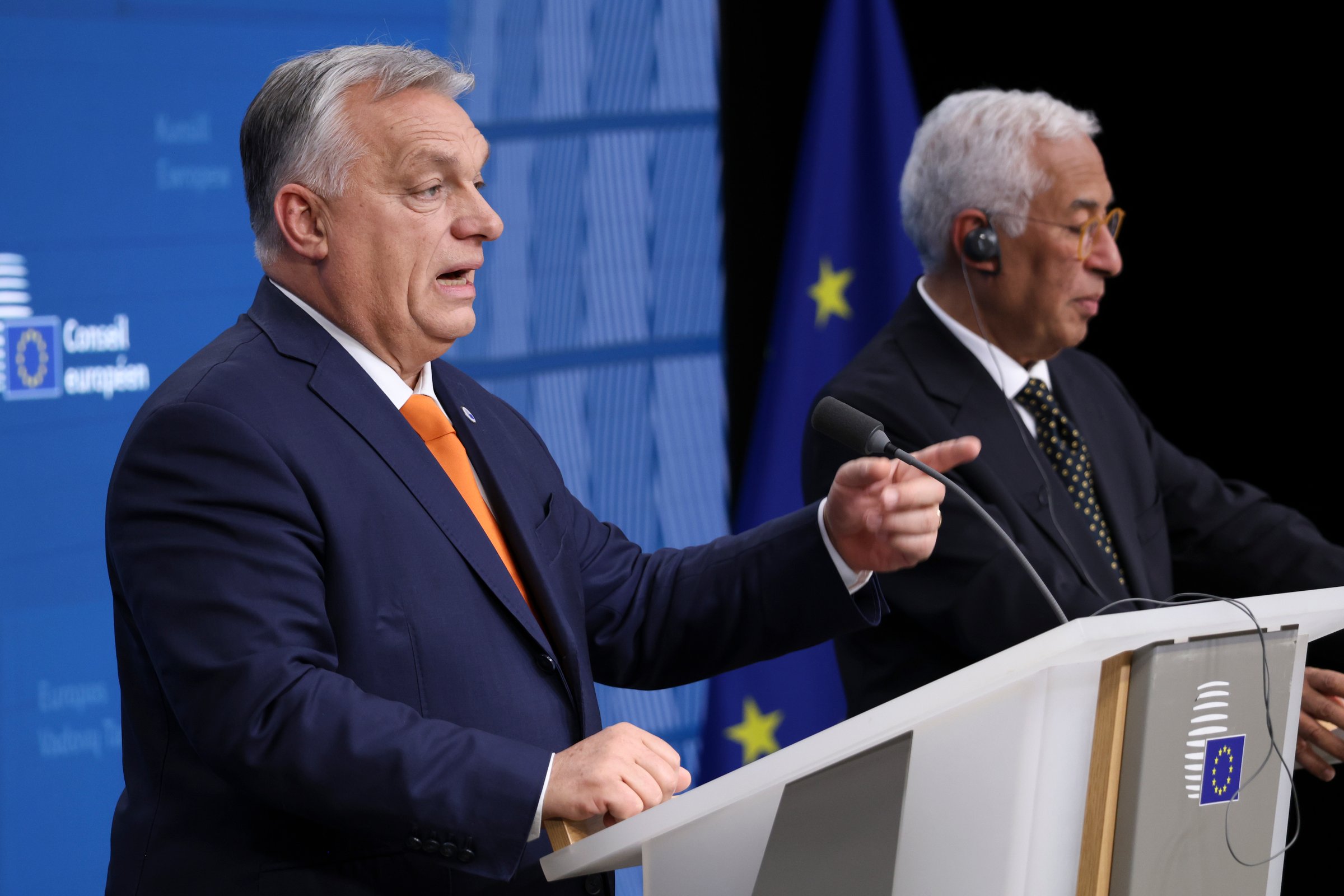
Trade law, national law, border security, and forced toilet breaks: The EU has ways to break Hungary’s veto — both legal and political.
When the Russia-friendly and pro-Israel Hungarian prime minister Viktor Orbán sits down with EU leaders at their summit in Brussels on Thursday (26 June), his list of ongoing vetoes and veto threats will, by now, include: a joint summit statement on Ukraine, new Ukraine enlargement talks, old Ukraine arms payments, new EU sanctions on Russia, the rollover of old sanctions on Russia, blacklisting of pro-Kremlin Georgian officials, and further blacklistings of extremist Israeli settlers.
In figures, Orbán’s has leveraged his veto to get back €10bn of frozen EU funds for Hungary, block €6bn of Ukraine arms funding, and block some €7bn/year of EU trade embargoes on Russian fertiliser, liquid gas (LNG), and nuclear energy.
In symbols, he’s also shielded pro-war Russian Orthodox church patriarch Kirill from an EU visa-ban and got some Russian oligarchs, such as fertiliser baron Mose Kantor, off the blacklist, in just two examples.
But for all that, Orbán’s fellow EU leaders have already started bypassing his foreign policy veto by using trade laws, which are decided by a qualified majority vote [QMV], to set Russian sanctions instead.
Trade sanctions
They imposed punitive tariffs on Russian fertiliser on 12 June, in a test measure that sailed through EU Council and EU Parliament votes in just five months, showing how small Orbán and his Patriots for Europe group of MEPs really were.
And they’re aiming to use trade law to phase out future purchases of Russian LNG and nuclear energy as well, according to EU Commission documents seen by the FT.


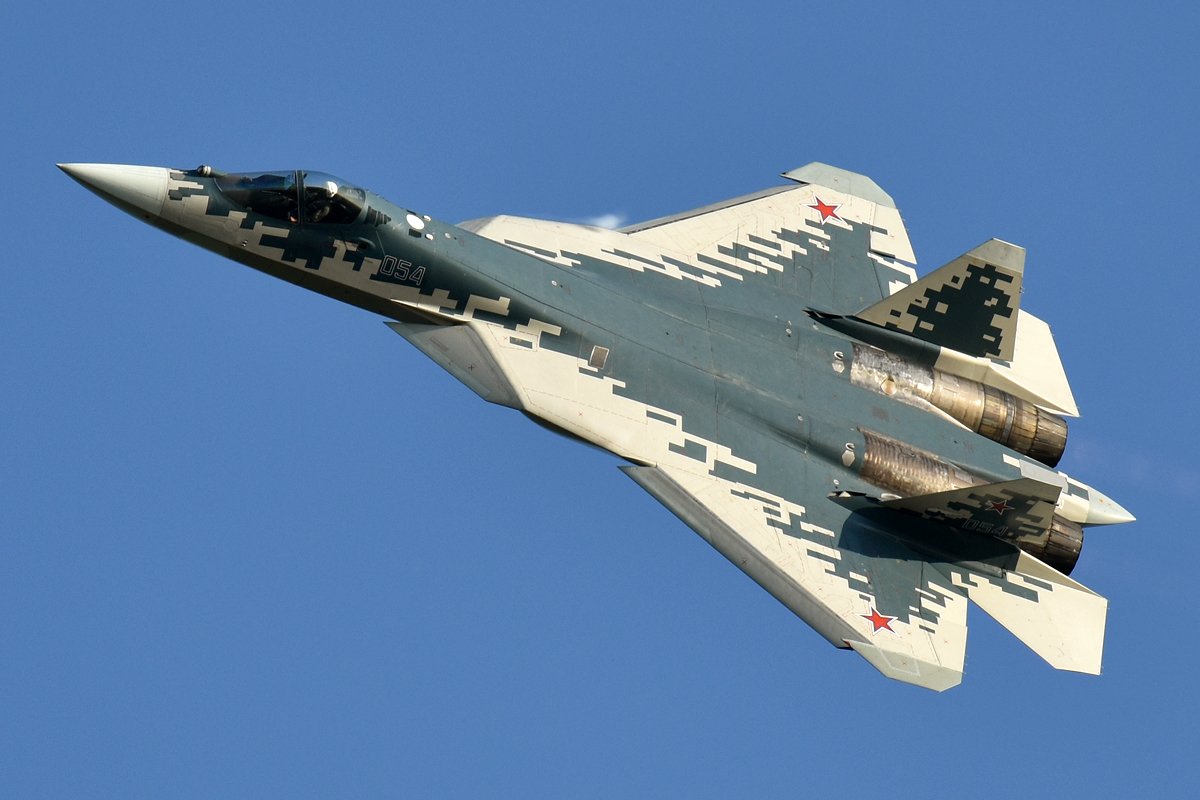
 Russia’s top Su‑57 fighter crashes near Moscow amid claims of Ukrainian cyber “friendly fire” op (Ukraine Battlefield update, Day 1,612)

 Andrew Rettman