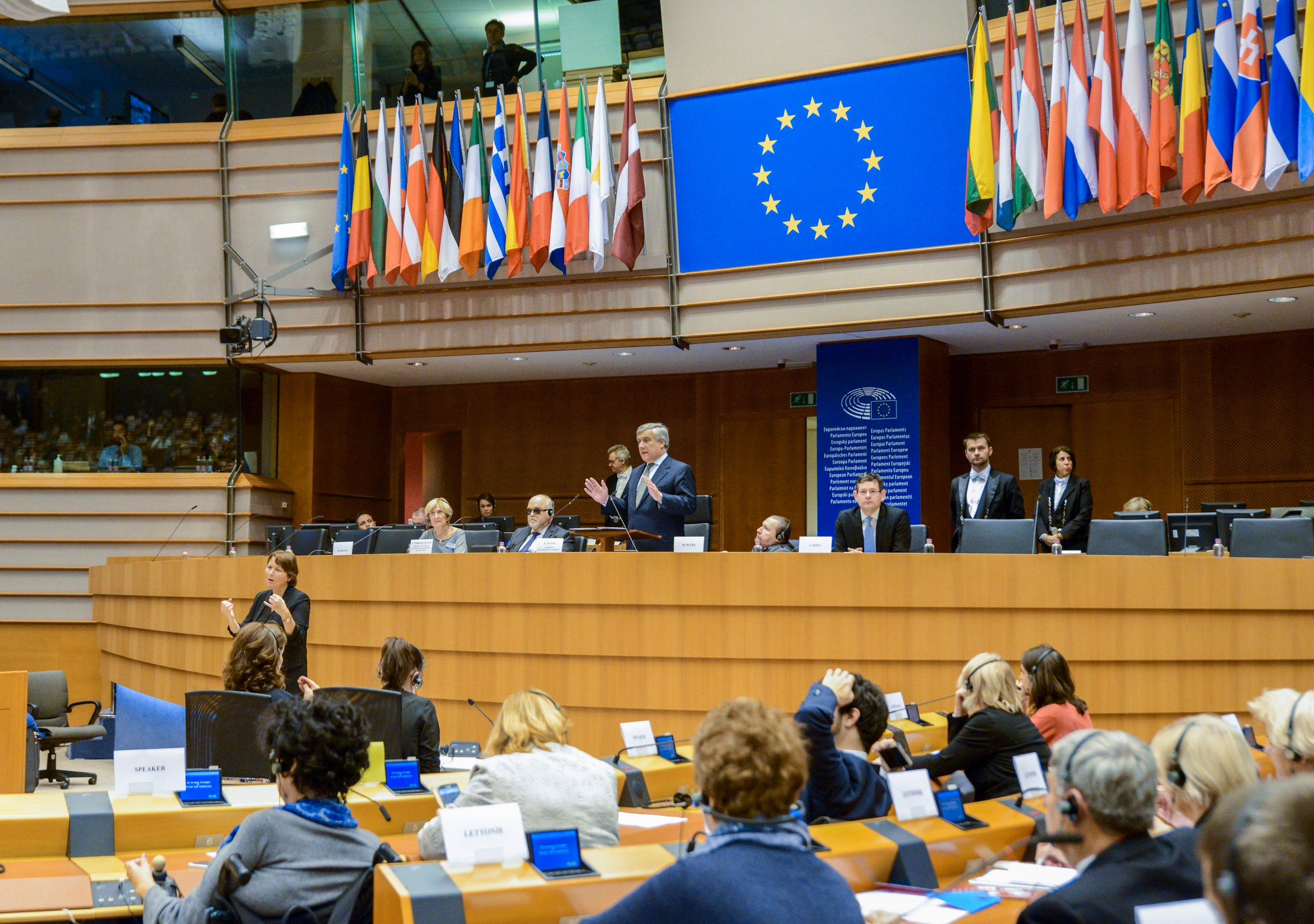
In the EU, around 87 million people have some form of disability. Yet barely five percent of members of the European Parliament identify as disabled — why is there so little political representation of people with disabilities? Is the existing system failing them when it comes to standing for election?
EUobserver managed to get in touch with some current MEPs with disabilities to hear the stories of those who have personally gone all the way to the Parliament’s offices.
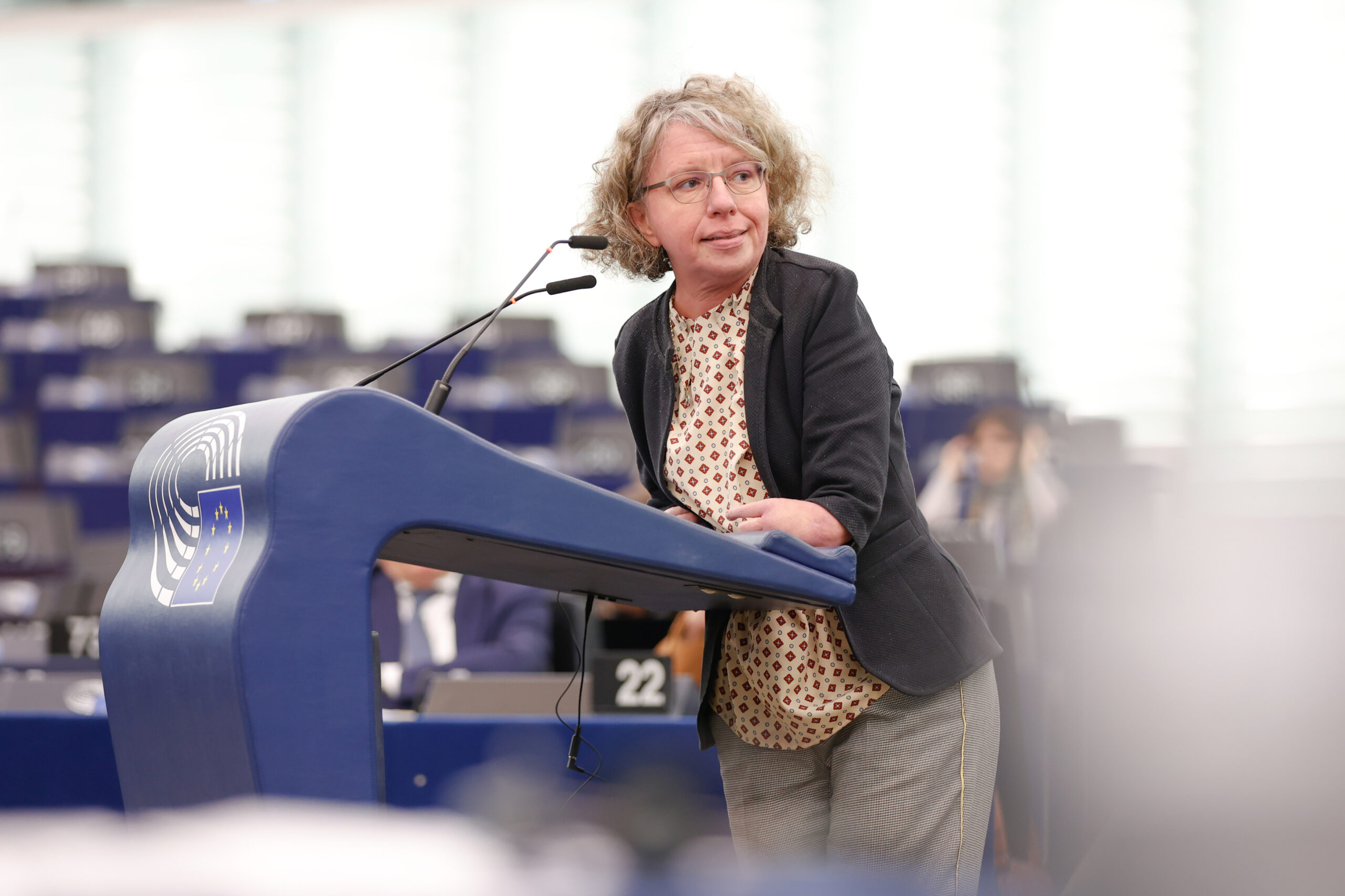
“We are not enough in the European Parliament, and we are not enough in the German Bundestag because it’s so difficult to get there,” says Green MEP Katrin Langensiepen (44).
Langensiepen will stand again in the June elections, but she admits she has already done the hard part — getting picked by a party at local level.
Before running for a seat in the European parliament Langensiepen had to campaign and present herself locally in her region, an expensive and difficult process.
“You want to represent diverse people? Then it must be your job to open doors for disabled people. It’s not the job of disabled people to fight for it,” the German MEP demanded of party leaders across the spectrum.
Money and lack of accessibility are two of the main problems disabled candidates face when trying to stand for election, according to the European Disability Forum (EDF).


![As birthrates decline and the workforce empties out, “in some countries, [people] are obliged to retire,”](https://static.euobserver.com/2005/04/677e4ac7c530bd9e00eb0ac007326e19.jpg)