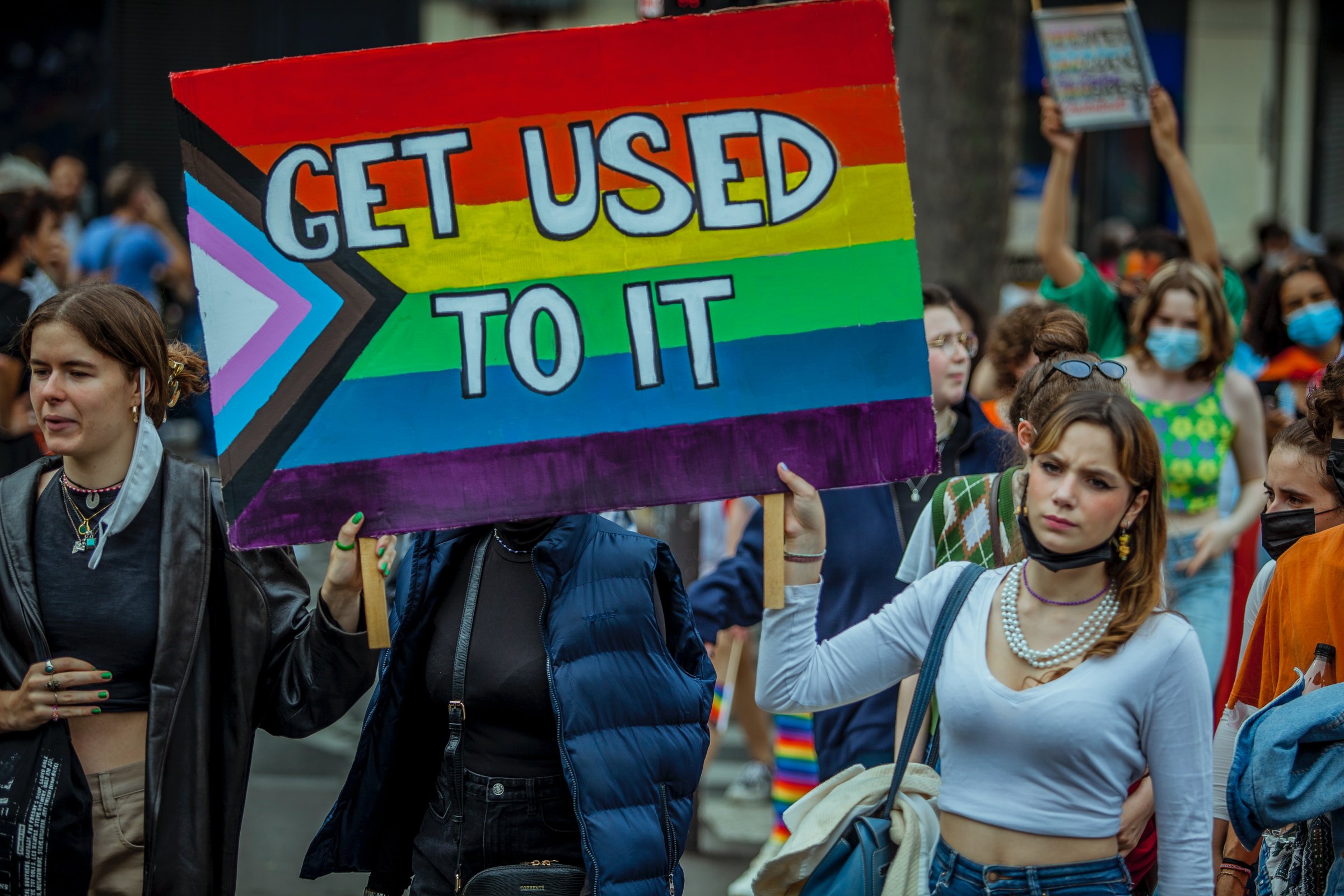
Anti-discrimination organisations are calling on the institutions on Monday (25 March) to ensure that equality, anti-racism and fundamental rights are at the top of the EU’s agenda in the next mandate, despite facing a predicted shift to the right after the EU elections.
“The EU is far from being a union of equality — this is a work in progress and right now we witness rising backlash, racial injustice, inequality and discrimination,” reads the joint statement signed by nine organisations, including the European Network Against Racism, ILGA Europe and the European Disability Forum.
“This needs urgent attention at both EU and national level,” they add, fearing that equality policies will take a back seat after the European Parliament elections between 6-9 June.
The rights organisations noted the progress the EU has made on equality over the past five years, starting with the appointment of the first ever commissioner for equality, Helena Dailli.
During this period, equality and non-discrimination policies and initiatives have become more visible, they said, citing a directive to combat violence against women, a legislative proposal on a European disability card and parking card, the action plan against racism and the proposal for cross-border recognition of parental rights.
But more legal protection against discrimination is needed in the EU “to guarantee equal treatment regardless of who you are or where you live in the European Union,” the rights groups say.
Early predictions are that the far-right Identity and Democracy (ID) group will become the third largest force in the parliament, and anti-European populist parties are expected to top the polls in nine member states, including Austria, Belgium, France and Hungary.
![As birthrates decline and the workforce empties out, “in some countries, [people] are obliged to retire,”](https://static.euobserver.com/2005/04/677e4ac7c530bd9e00eb0ac007326e19.jpg)