Jérôme Fourquet, the French director of opinion at Ifop Institute, an international polling and market research firm, believes that French society is more divided than ever.
He believes that rather than “two Frances” there are three, and that those groups are separating, geographically and ideologically.
The far right in France is on the rise and this, he says, depends in part on social and economic factors but also on the political narrative — or the lack thereof.
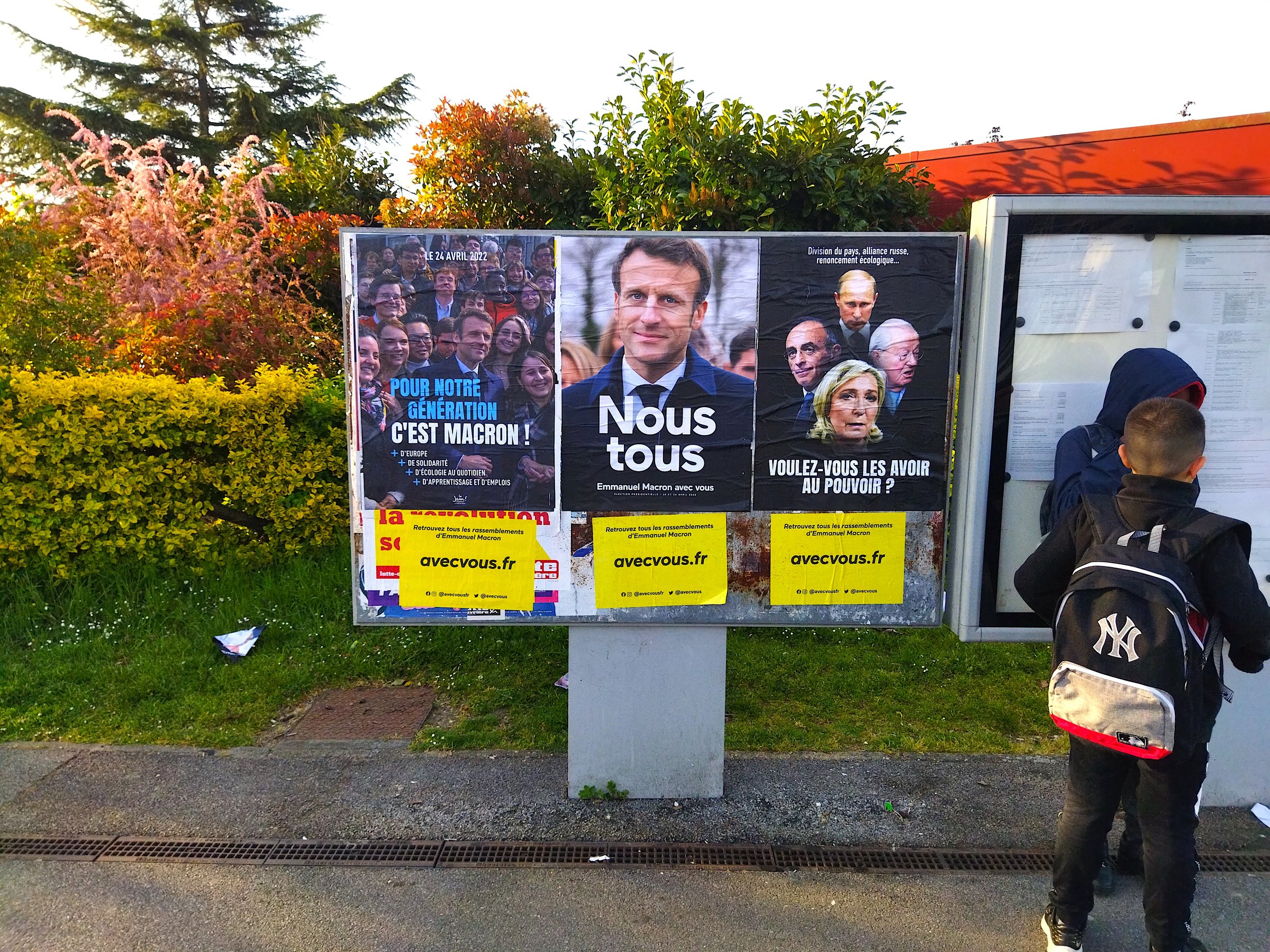
The party National Rally, led by youngster Jordan Bardella but still headed by Marine Le Pen has, for the first time, become the top political force in polls.
If the presidential elections were to be held now, over 30 percent of the French said they would vote for Le Pen, according to a recent Ifop poll. There is, however, no clear candidate against her yet with Emmanuel Macron stepping down after his term.
For the upcoming European elections in 2024, the far-right tendency seems even clearer.
According to a recent Ifop-Fiducial poll for the French daily Le Figaro, the National Rally’s candidate Jordan Bardella will be the main political alternative with 28 percent of the support while president Emmanuel Macron’s centrist and pro-European party Renaissance lags at 20 percent.